
Last updated September 10, 2026
Level 1 sweep and inspection to the NFPA 211 annual standard - flue, crown, cap, and flashing checked and photographed
Chimney sweep logs do not sweep chimneys. They loosen some creosote - which then falls where a brush and vacuum still have to collect it.
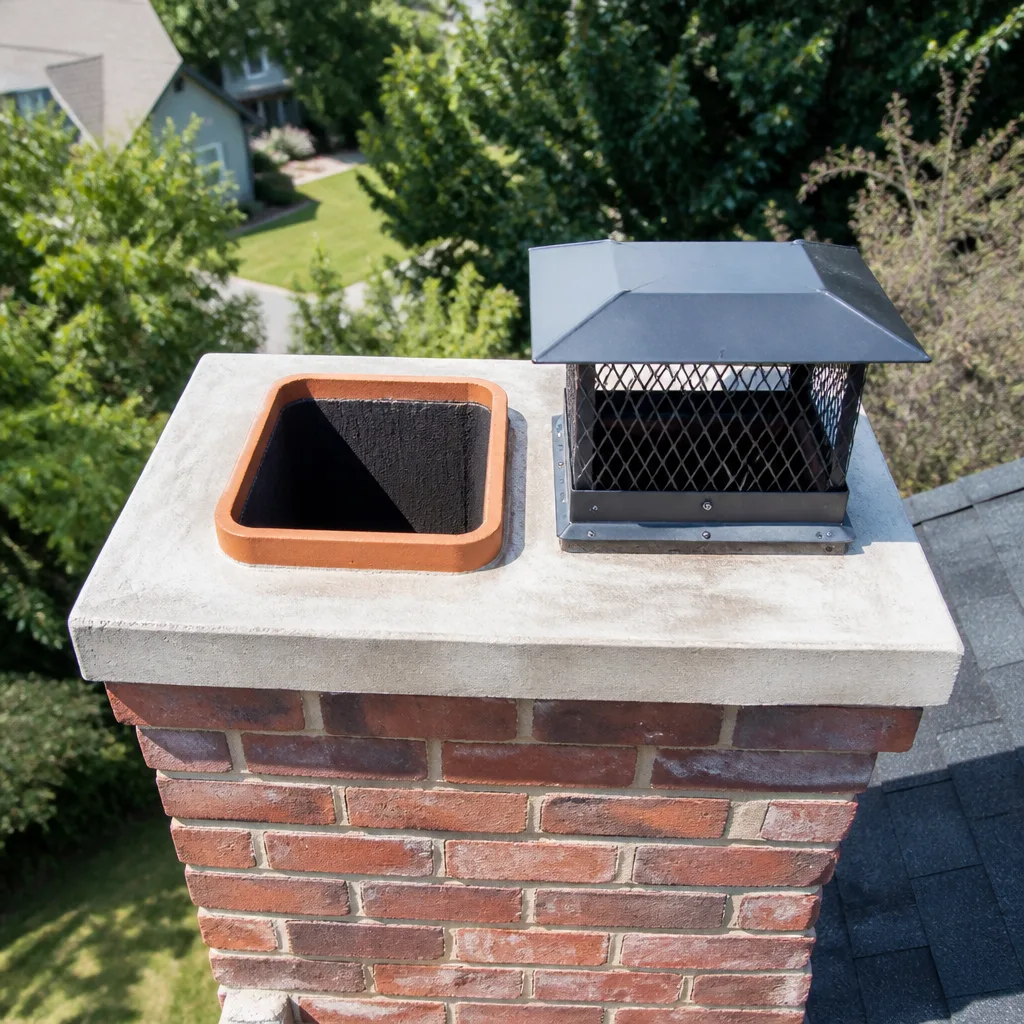
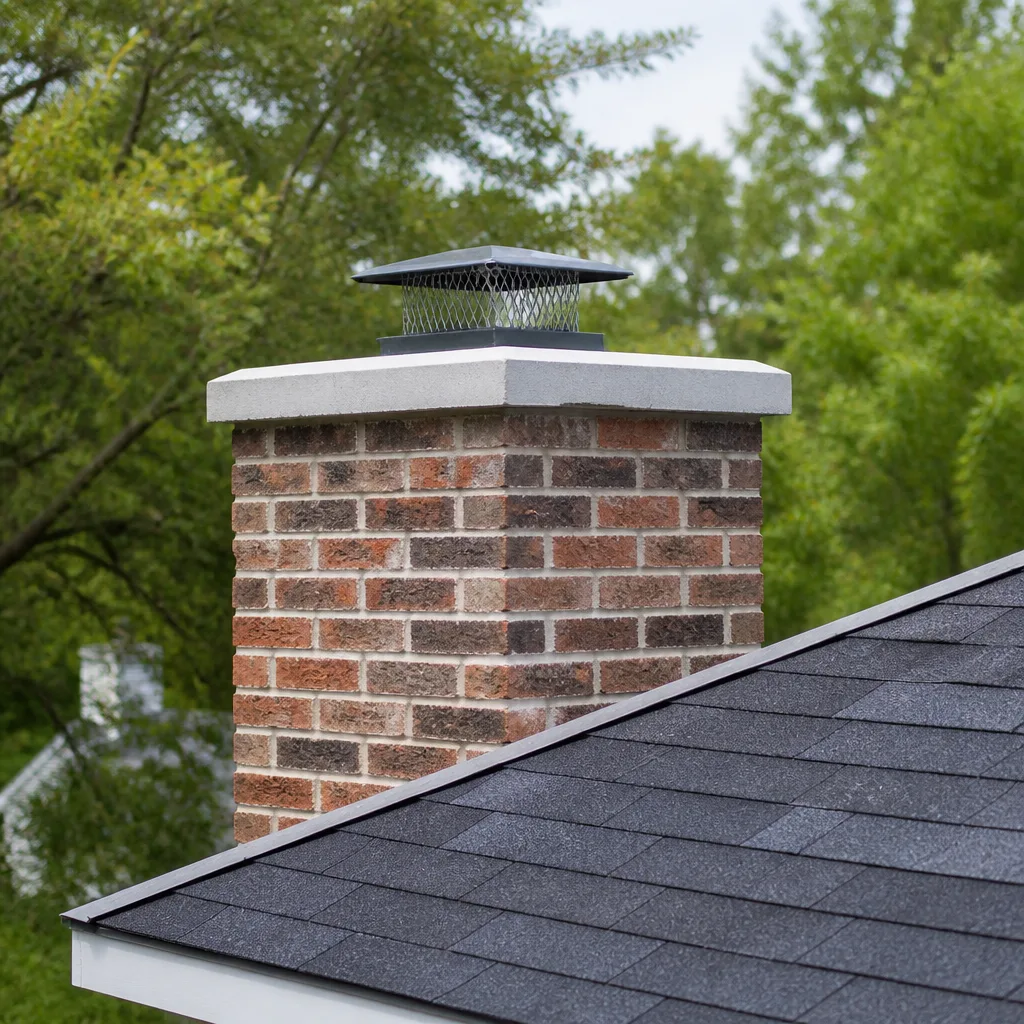
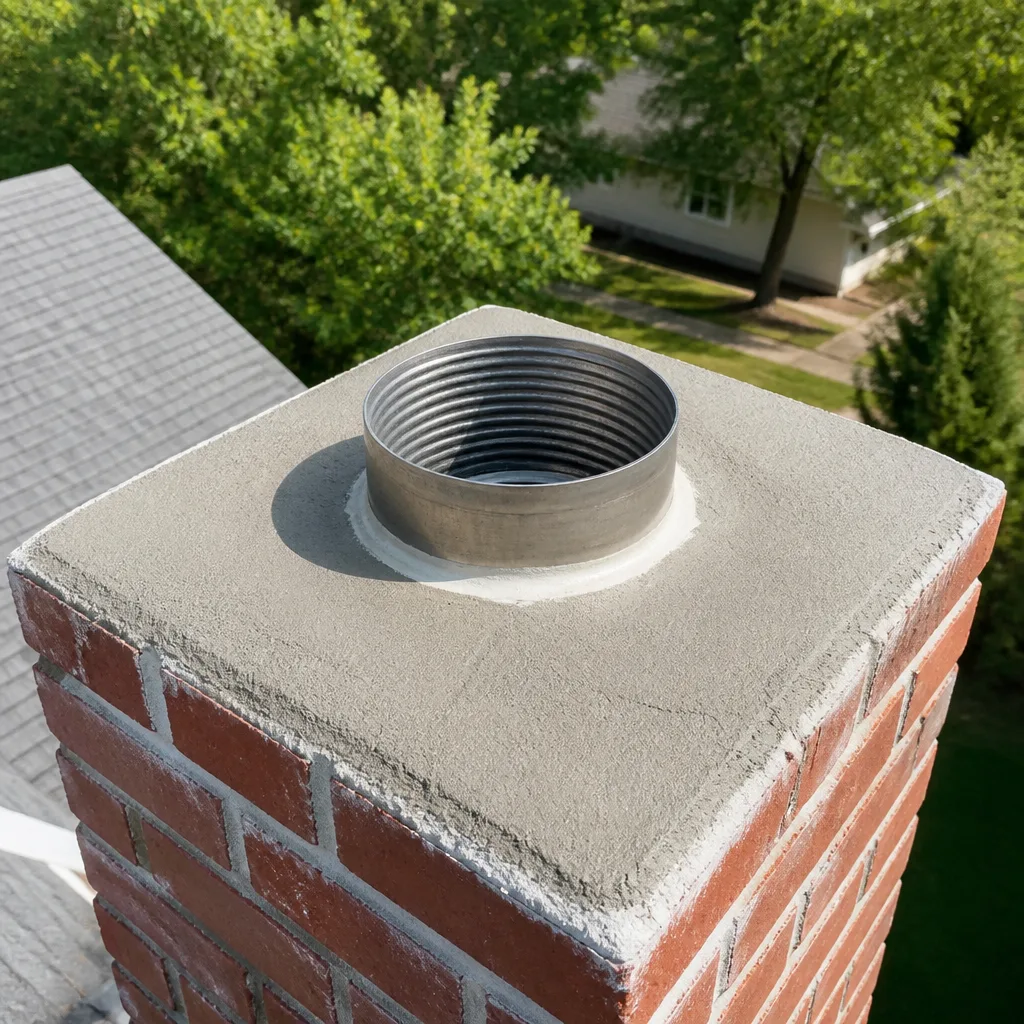
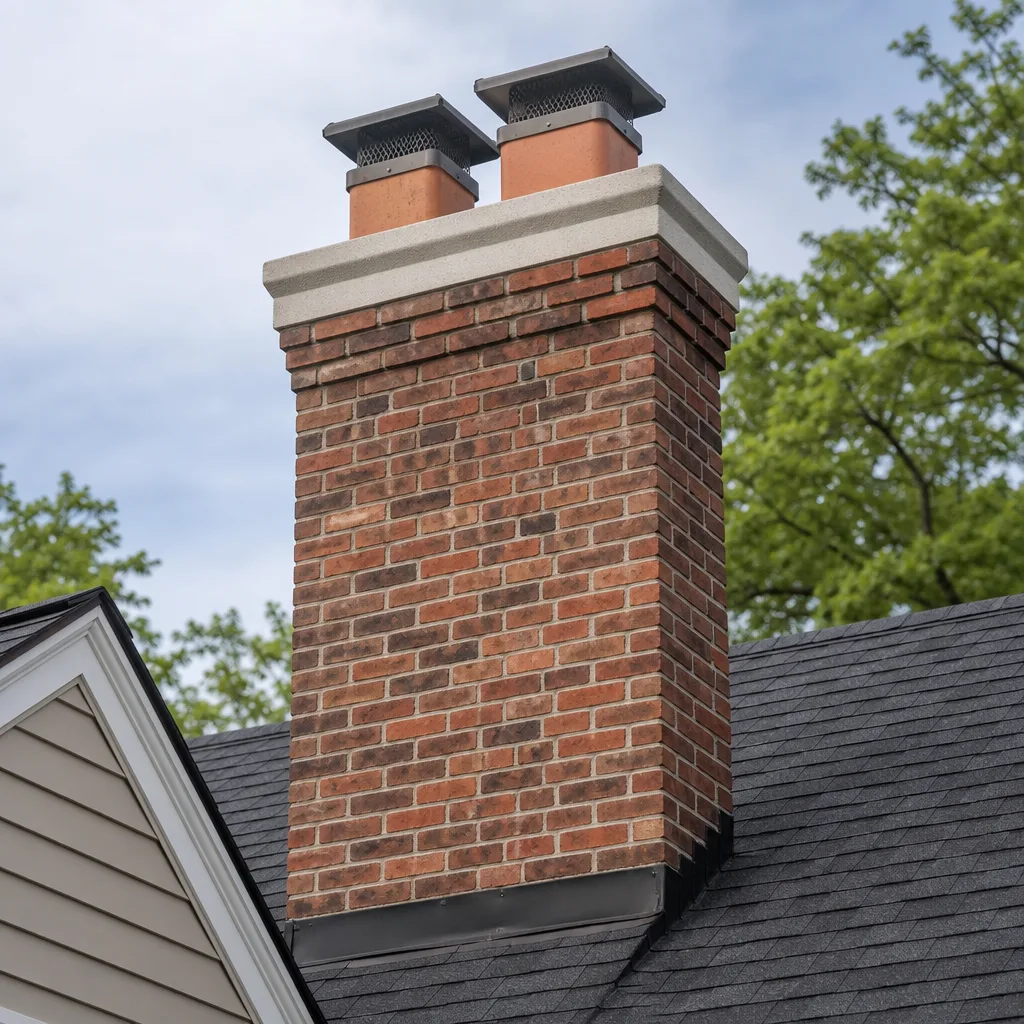
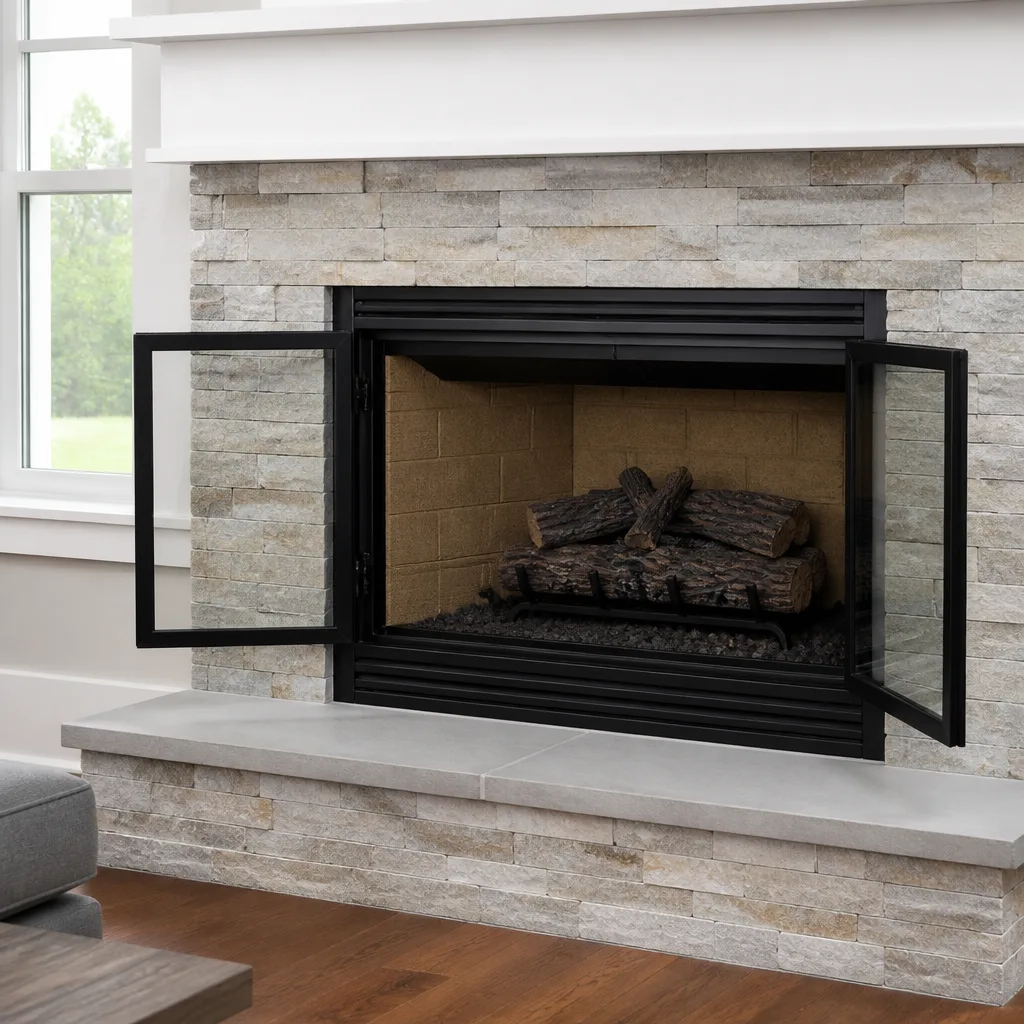
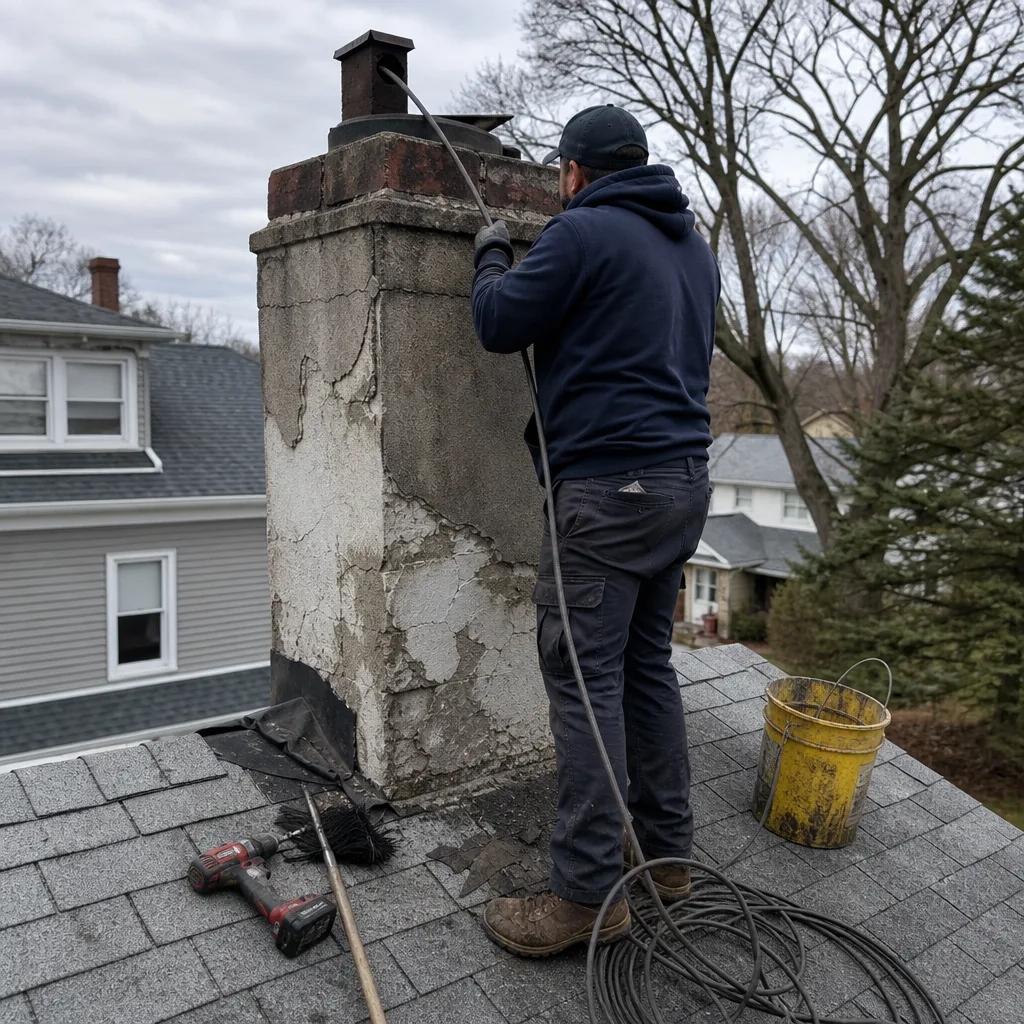 Before
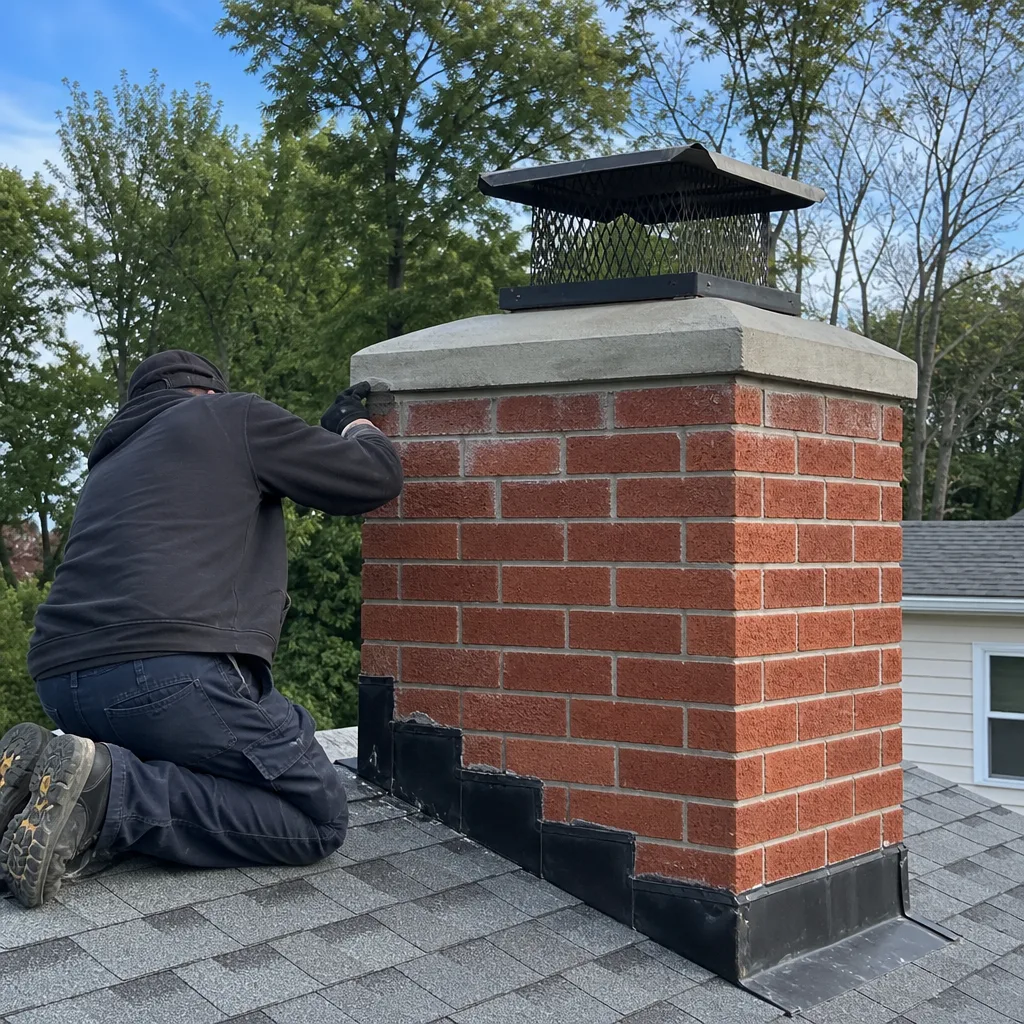 After
After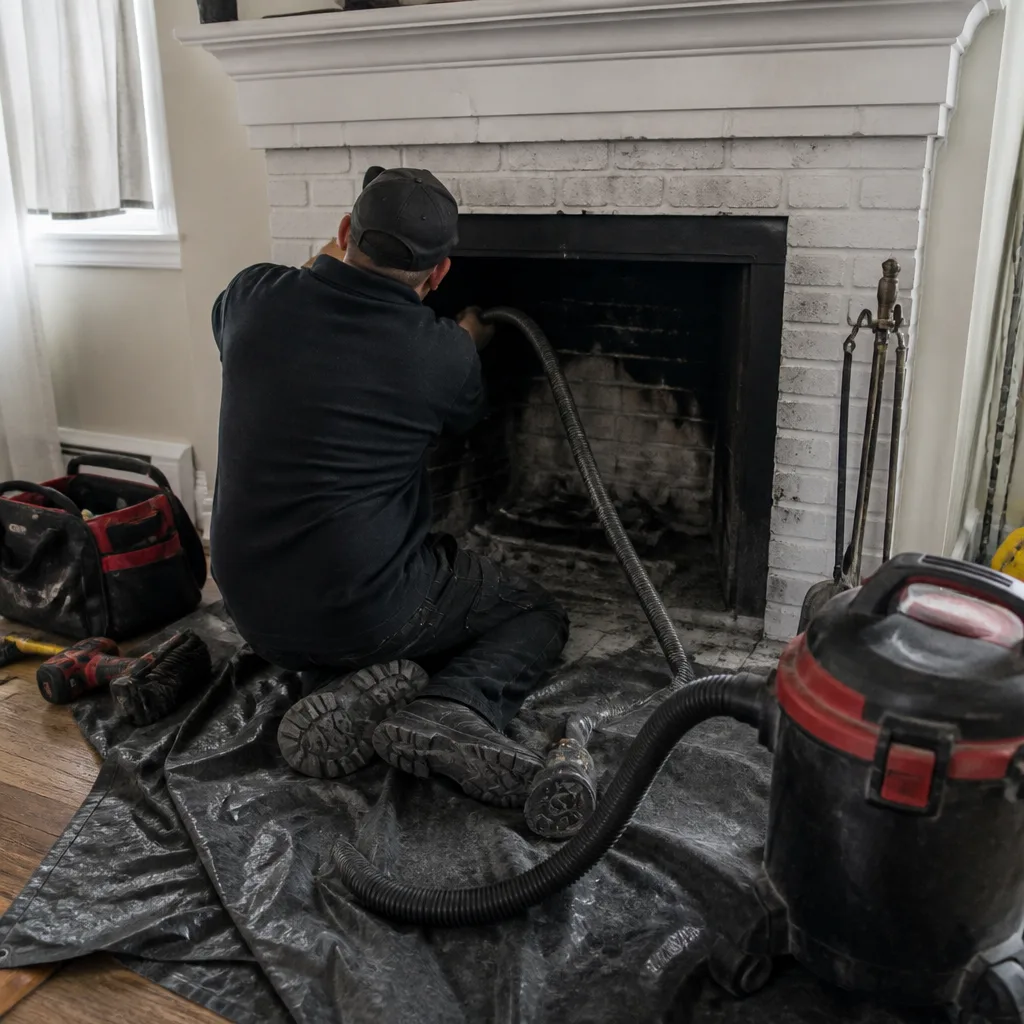 Before
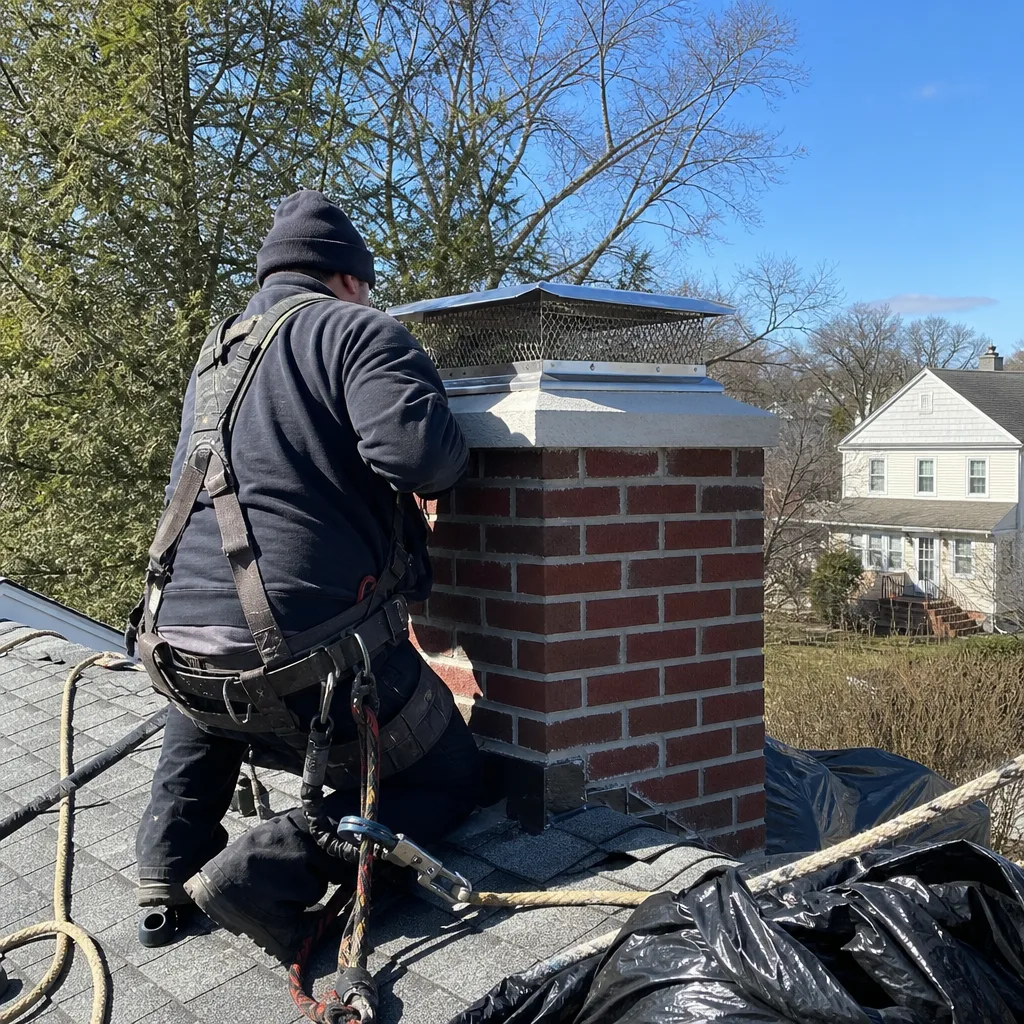 After
After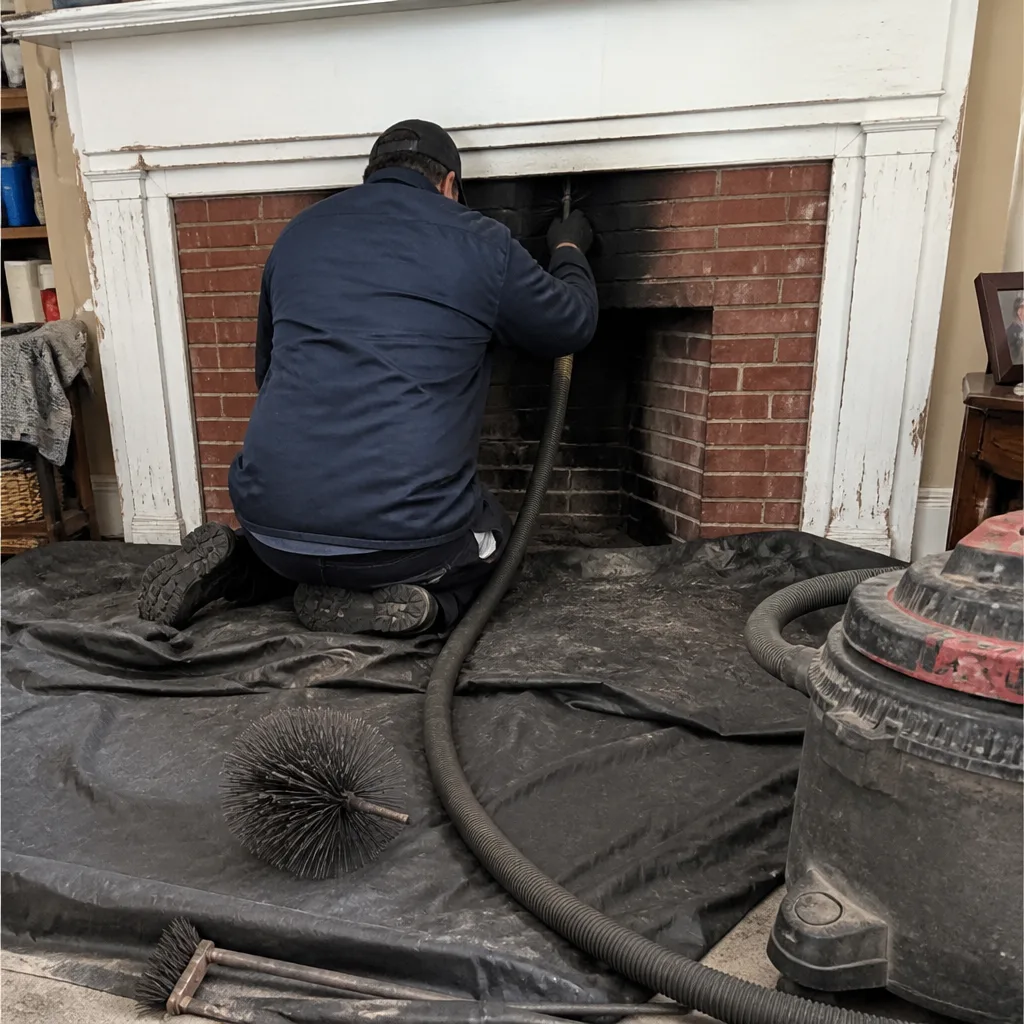 Before
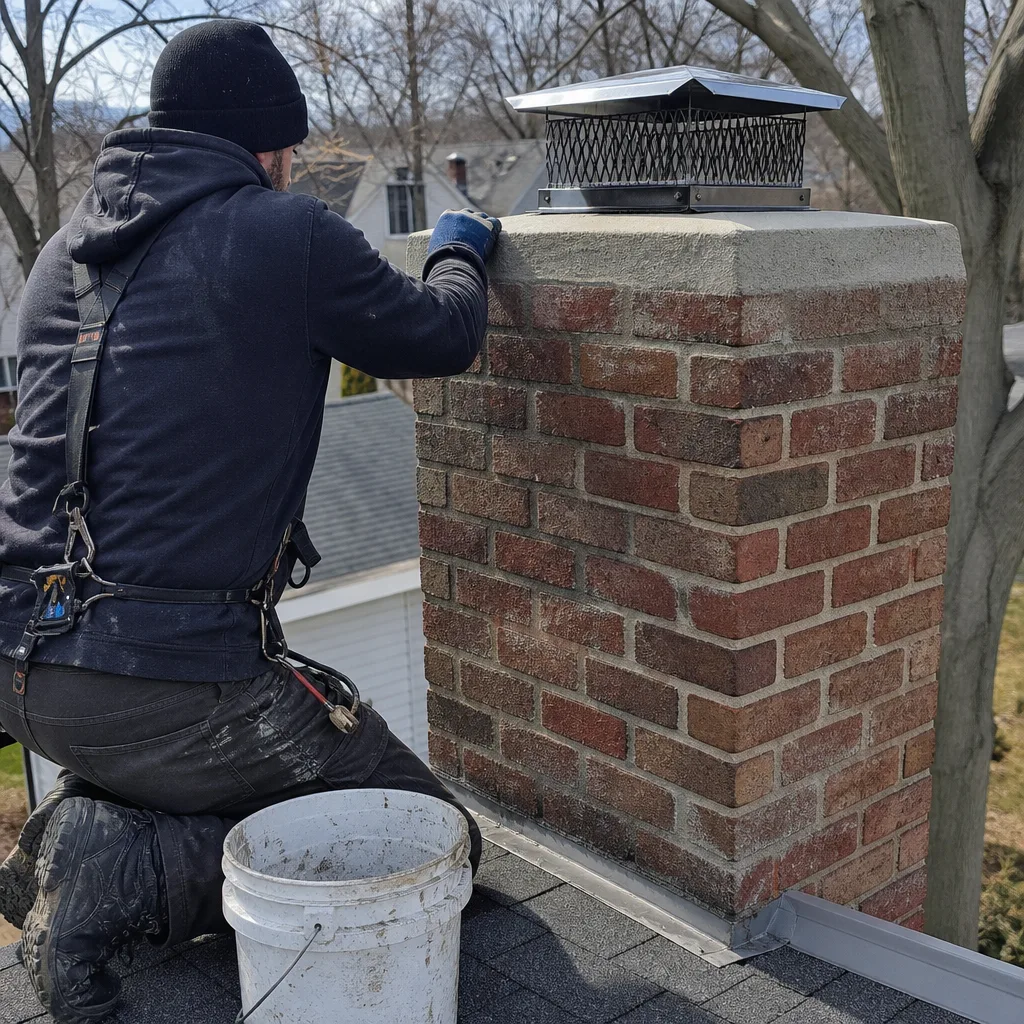 After
AfterChimney Cleaning Warning Signs: A Mount Vernon Homeowner’s Reference Guide
That white, chalky staining on your chimney brick? It’s called efflorescence, and on Mount Vernon rowhouses it’s everywhere - on Pelham Parkway, along East Lincoln Avenue, up in Fleetwood. Homeowners see it, note that it doesn’t look dramatic, and go back to their day. But efflorescence is salt crystallizing as water moves through masonry, which means water is actively entering your chimney system. In our 42 years of sweeping chimneys across Westchester County, we’ve learned that most warning signs aren’t missed. They’re misread. This guide gives you the plain-language key to what each sign means, which ones need a call today, and which ones can wait for a scheduled appointment. For more guides & resources on keeping your chimney safe, visit our blog.
Quick Answer
Chimney warning signs fall into three urgency levels: schedule soon (creosote odor, minor exterior staining, slow draft), book within the week (smoke backing into the room, visible creosote flakes, water in the firebox), and call before the next fire (strong gas or chemical odors, crumbling masonry, or a bird or animal presence). Most Mount Vernon homeowners encounter the first category and delay, which is how “schedule soon” becomes “expensive repair.”
Table of Contents
- What Exterior Masonry Staining Tells You About Water Entry
- When Your Fireplace Smokes Back Into the Room
- Creosote Odor in Summer vs. Smoke Odor During a Fire
- Reading Creosote: Color, Texture, and What Each Means
- The Warning Sign Mount Vernon Rowhouse Owners Should Never Wait On
- Birds, Squirrels, and Chimney Swifts: Blockage Signs
- Interior Red Flags: Firebox, Damper, and Hearth Damage
- How Often Should a Mount Vernon Chimney Be Swept?
What Exterior Masonry Staining Tells You About Water Entry
Water is the enemy of every chimney in Mount Vernon, and the exterior tells the story before the interior does. Our climate doesn’t help. We get freeze-thaw cycles from late October through April, heavy spring rains, and humid summers that keep masonry damp for days. Each staining pattern points to a different entry point and a different level of concern.
Efflorescence - the white chalky film. This is the most common sign we see on brick chimneys in the Chester Heights and South Side neighborhoods. It’s crystallized salt pushed out by water moving through the masonry. The water itself may be from driving rain, a failed crown, deteriorated mortar joints, or a missing or damaged chimney cap. Efflorescence alone doesn’t mean your chimney is failing today. It means water is getting in, and over seasons that water will expand when it freezes, spalling (flaking) the brick face and opening larger pathways. If you see efflorescence, schedule an inspection within the month. In our experience, about 60% of Mount Vernon chimneys showing efflorescence also have crown damage that a simple cap or crown seal would have prevented.
Dark vertical streaks. These run down the face of the chimney and usually indicate water pouring down from a missing cap, a cracked crown, or deteriorated flashing where the chimney meets the roof. The dark color is soot and creosote washing out with the water. This is more urgent than efflorescence. The chimney is actively channeling water into the structure, and you’re likely getting moisture in the attic or wall cavities. We’ve replaced rotted roof sheathing in Mount Vernon homes where this went unaddressed for two seasons.
Green or black growth. Moss, algae, or mildew on the chimney face means chronic dampness. It’s common on north-facing chimneys and in shaded lots near Hutchinson River Parkway. The masonry stays wet, mortar softens, and the freeze-thaw cycle does accelerated damage. This needs attention, but it’s not an emergency unless you can see missing mortar or loose bricks.
Rust stains. Orange or brown streaks usually mean a metal component - the chimney cap, a deteriorated flue liner, or old flashing - is corroding. If the rust is coming from the top, your cap or chase cover is failing. If it’s lower down, suspect the flashing or a compromised liner. Rust on a stainless steel liner (we install DuraFlex liners when replacement is needed) is rare and indicates a serious moisture problem or incorrect alloy grade.
Here’s how we prioritize exterior signs when a Mount Vernon homeowner calls:
- Call this week: Dark streaks with visible water entry, loose or spalled bricks, rust with metal fragments visible.
- Schedule within the month: Efflorescence spreading, green growth with soft mortar, isolated rust stains.
- Monitor and schedule seasonally: Minor efflorescence on a well-capped chimney, slight discoloration without texture change.
Our Chimney Repair in Mount Vernon page details how we document water entry with camera inspection and photo reports you can see for yourself.
When Your Fireplace Smokes Back Into the Room
Smoke in the living room is the warning sign that gets homeowners to call fastest, and it’s also the one with the most possible causes. Understanding which cause applies to your situation can save you an unnecessary emergency fee and point you toward the right fix.
Cause 1: Blockage in the flue. This is the most dangerous possibility and the one to rule out first. A nest, a collapsed liner section, or heavy creosote buildup can partially or fully obstruct the flue. The smoke has nowhere to go but back into the room. Warning: if you smell gas or chemical odors with the smoke, extinguish the fire immediately and call us. That combination can indicate a blocked flue with combustion gases backing up, including carbon monoxide.
How to check: Open the damper fully and look up with a flashlight. You may see visible obstruction, or you may see creosote buildup glazing the flue walls. Do not attempt to clear it yourself - see our DIY vs Professional Chimney Cleaning: The Mount Vernon Homeowner’s Decision Guide for why this matters. Flue liners in older Mount Vernon homes - especially pre-1950s construction in the Downtown and North Side areas - are often terra cotta tile that cracks under impact or improper tool use.
Cause 2: Negative air pressure in the house. Modern Mount Vernon homes are tighter than the drafty Victorians and 1920s colonials they replaced. Kitchen exhaust fans, bathroom fans, and whole-house ventilation can create negative pressure that pulls air down the chimney instead of letting smoke rise. This is especially common in renovated homes with new windows and weatherstripping. The fireplace worked fine for twenty years, then suddenly smokes after a renovation.
How to tell: Does the smoking happen only when the furnace, dryer, or exhaust fans are running? Does opening a nearby window stop it? That’s pressure, not blockage. Solutions range from a dedicated outside air kit to a top-sealing damper to simply cracking a window when the fire is lit. We assess this during our Level-2 inspection and give you a plain-English verdict on whether the fix is mechanical or just operational.
Cause 3: Flue size mismatch. An oversized flue for a small fireplace, or a flue that was modified without engineering review, won’t establish proper draft. We see this in Mount Vernon homes where a wood-burning fireplace was converted to gas logs without proper sizing, or where a liner was installed by a previous owner who sized by guess. The fix is a correctly sized stainless steel liner - we use DuraFlex and Olympia Chimney products sized to the appliance.
Cause 4: Cold flue syndrome. On the first fire of the season, especially in exterior chimneys on north walls, the air column in the flue is cold and dense. Light a newspaper and hold it up the damper for 30 seconds to warm the flue before lighting the main fire. If smoking only happens on the first fire of the day and clears after a few minutes, this is likely your issue.
Here’s our diagnostic sequence for smoke-back calls in Mount Vernon:
- Extinguish the fire safely if it’s active.
- Note what else was running in the house (fans, furnace, dryer).
- Check whether the damper is fully open and functional.
- Call us at (914) 246-5794. We’ll ask these questions over the phone and prioritize accordingly. A live person answers, 24 hours a day.
Smoke back with a gas fireplace is a different and more urgent matter - see our Fireplace Services in Mount Vernon page for gas-specific warning signs.
Creosote Odor in Summer vs. Smoke Odor During a Fire
Odors are the most reported and most misunderstood chimney warning sign. The same homeowner will call us in July about a “smoky smell” and in January about “something chemical,” and both descriptions point to different problems requiring different responses.
Creosote odor in warm weather. That sharp, tarry smell that hits when humidity rises in June or July is creosote deposits in the flue absorbing moisture and off-gassing. It’s not dangerous in itself - creosote is a natural byproduct of wood combustion - but it tells you the flue has significant buildup that needs sweeping before the next burning season. The smell is often stronger in air-conditioned houses because the pressure differential pulls air down the chimney.
In Mount Vernon’s summer humidity, we get these calls weekly. The homeowner hasn’t used the fireplace in months, but the smell is unmistakable. The fix is a professional sweep to remove the creosote - The Complete Guide to Chimney Cleaning in Mount Vernon explains what this involves - followed by advice on burning practices (seasoned hardwood, hotter fires, avoiding smoldering) that reduce future buildup. We use professional-grade brushes and vacuums, and our technicians complete most sweeps in a single visit.
Smoke odor during active burning. This means smoke is escaping the combustion zone into the living space. It may be subtle - a faint haze, eye irritation, a lingering smell on furniture the next day - or obvious visible smoke. Causes include a partially closed or stuck damper, a flue too cold to draft properly, or a blockage as discussed above. This is more urgent than summer creosote odor because you’re actively breathing combustion byproducts.
Musty or mildew odor. This is water, not creosote. If the smell is earthy or damp rather than sharp or tarry, you likely have a leak in the chimney system allowing water into the smoke chamber or firebox. Check for visible water in the firebox after rain, or stains on the hearth or surrounding wall. This needs inspection and repair, not sweeping.
Rotten egg or sulfurous odor. With gas appliances, this can indicate a gas leak or incomplete combustion. Turn off the appliance, leave the house, and call your gas utility and then us. With wood burning, a sulfurous smell usually means you’re burning softwood, painted wood, or treated lumber - all of which deposit corrosive residues and should never be burned.
Animal or decay odor. Unmistakable and urgent. A trapped animal or nest will block the flue and create both odor and fire hazard. We remove animals humanely when possible and install proper screening to prevent recurrence. Famco and Copperfield make the stainless steel chimney caps and screens we use for this purpose - the mesh size matters, and hardware store generic caps often fail to exclude smaller animals.
Reading Creosote: Color, Texture, and What Each Means
Not all creosote is the same, and the type in your flue determines both the hazard level and the removal method. The National Fire Protection Association identifies three stages, and in 42 years we’ve seen all three in Mount Vernon chimneys - sometimes all three in the same flue.
Stage 1: Sooty, powdery, black. This is normal, light creosote from well-seasoned wood and hot fires. It sweeps out easily with standard brushes. If this is what your sweep shows you on the camera, you’re burning right and maintaining properly. We typically see this in chimneys swept annually that burn hardwood exclusively.
Stage 2: Crunchy, flaky, black. This has begun to condense and harden. It requires more aggressive brushing, sometimes mechanical tools. The homeowner is likely burning partially seasoned wood, restricting air supply (dampening down the fire overnight), or burning at lower temperatures. This is common and manageable, but it tells us your burning habits need adjustment or you’ll progress to Stage 3.
Stage 3: Glazed, hardened, tar-like, often glossy. This is the dangerous form. It’s highly concentrated fuel that can ignite at temperatures above 450°F and burns at over 2000°F - hot enough to crack terra cotta liners and penetrate to surrounding structure. Stage 3 creosote cannot be removed with standard sweeping. We use specialized mechanical removal or, in severe cases, recommend a chemical treatment followed by mechanical cleaning. This is expensive and preventable with annual sweeping and proper burning.
Here’s what the color variations can indicate:
- Black throughout: Normal wood-burning byproduct. Assess stage by texture.
- Brown or reddish-brown: Often indicates burning of treated lumber, painted wood, or excessive softwood. The color comes from resins and chemicals. This deposits faster and is more corrosive.
- White or gray ash residue: You’re burning very hot, very dry wood, or the flue is over-drafting. Not hazardous but may indicate an oversized flue wasting heat.
- Streaks of different colors in layers: This tells a history - changes in fuel, changes in burning practice, or periods of disuse. We read these layers like tree rings during camera inspection.
Every Chimney Cleaning & Sweep in Mount Vernon we perform includes camera documentation of creosote condition. You see what we see, and we explain what stage you’re at and what it means for your burning season.
The Warning Sign Mount Vernon Rowhouse Owners Should Never Wait On
Mount Vernon’s housing stock includes thousands of attached and semi-attached rowhouses, from the brick rows near Mount Vernon East station to the frame-and-stucco blocks off Sandford Boulevard. In these structures, one chimney system often serves multiple units, or party walls create shared structural elements that complicate fire safety. There’s one warning sign specific to this housing type that demands immediate attention: smoke or odor migration between units.
If you smell your neighbor’s fireplace, or they smell yours, or smoke appears in an upstairs bedroom when neither of you has a fire lit, this indicates a breach in the party wall or a shared flue with inadequate separation. In older construction, flues were sometimes built back-to-back with only a single wythe (one brick thickness) of separation. Over decades, that brick can deteriorate, mortar falls out, and the flues communicate.
This is not a maintenance issue. It’s a fire and carbon monoxide exposure risk that affects multiple households. A fire in one flue can breach to the adjacent unit. Combustion gases can migrate to bedrooms where people sleep. We’ve inspected Mount Vernon rowhouses where three units shared a common wall with compromised flue separation, and none of the owners knew until we ran a smoke test.
The diagnostic is straightforward but requires professional equipment: a smoke pump introduces non-toxic smoke into one flue while we observe the adjacent unit and accessible common spaces. If smoke appears, the separation has failed. Repair involves opening the chimney structure, rebuilding the wythe separation with proper fire-rated materials, and often installing separate liners for each flue. We use HeatShield cerfractory foam for some repairs and DuraFlex liners for full relining when the original flue is unsalvageable.
If you live in a Mount Vernon rowhouse or attached home and experience any smoke or odor migration, call before your next fire. This is not a “schedule when convenient” situation. Our live answer staff will prioritize this for rapid response, and we’ll coordinate access with neighbors when needed.
Birds, Squirrels, and Chimney Swifts: Blockage Signs
Animal entry is seasonal and unmistakable once you know the signs. In Mount Vernon, we see three patterns:
Spring: chimney swifts. These migratory birds are protected by federal law. If you hear chattering, high-pitched calls from the chimney in May or June, you likely have a swift nest. You cannot remove it while active. The young fledge in about six weeks, after which we can clean and cap. We install Copperfield stainless caps with proper mesh to exclude swifts without harming them - the mesh size and cap height matter, as swifts can cling to and enter through poorly designed covers.
Fall and winter: squirrels and raccoons. Scratching, scurrying, or thumping, especially morning and evening. These animals seek chimney warmth and can block the flue completely. They also die, creating odor and fly problems. We remove them humanely when possible, clean and disinfect the flue, and install proper screening.
Year-round: starlings and sparrows. These non-native species nest in uncapped chimneys and build dense, flammable nests. If you see nesting material dropping into the firebox or visible at the chimney top, you have an active nest. Do not light a fire. The nest can ignite and cause a chimney fire, or block the flue and force smoke into the house.
Signs of animal presence include:
- Chirping, scratching, or flapping sounds from the chimney area
- Nesting material visible in the firebox or at the chimney top
- Sudden smoking back when the fireplace previously worked fine
- Unexplained odor, especially in warm weather
- Droppings on the hearth or visible on the smoke chamber walls during inspection
Animal blockages are one case where we recommend against waiting. A blocked flue with an active fire is a carbon monoxide and chimney fire risk. Our technicians carry the proper equipment to remove animals and nests safely, and we document the condition with photos before and after.
Interior Red Flags: Firebox, Damper, and Hearth Damage
The exterior gets attention because it’s visible. But the interior components - firebox, damper, smoke chamber, and hearth - do the actual work of containing fire and venting smoke. Damage here is often hidden until it’s serious.
Firebox cracks. The firebrick or refractory panels lining your firebox expand and contract with heating cycles. Over decades, they crack. Small hairline cracks are normal and can be monitored. Cracks that penetrate through the panel, or gaps between panels, expose the surrounding structure to direct flame and heat. In Mount Vernon’s older housing stock, we’ve seen firebox deterioration accelerated by burning practices - especially overloading the firebox or using artificial logs incorrectly. We replace firebrick with matching refractory materials and can install HeatShield cerfractory foam for smoke chamber parging when the surface has deteriorated.
Damper malfunction. The damper should open fully, close fully, and seal reasonably when closed. A damper that won’t open completely restricts draft and causes smoking. A damper that won’t close wastes heated air up the chimney year-round. Rusted, warped, or broken dampers are common in chimneys with water entry history. We repair or replace with quality components, and for chimneys with persistent damper issues, we may recommend a top-sealing damper that seals at the chimney top instead of the throat.
Smoke chamber deterioration. The smoke chamber is the area above the damper that funnels smoke into the flue. Building codes now require it to be parge-coated smooth, but many older Mount Vernon chimneys have corbeled brick or rough surfaces that trap creosote and disrupt draft. During our Level-2 inspection, we camera the smoke chamber and show you the surface condition. Parging with HeatShield or similar cerfractory materials restores proper geometry and reduces creosote accumulation.
Hearth damage. Cracks in the hearth slab, gaps between hearth and firebox, or raised tiles can indicate heat damage, structural settling, or water entry from below. The hearth must extend proper distances per code to protect flooring from radiant heat and rolling logs. We’ve replaced hearths in Mount Vernon homes where the original installation predated current codes and created a fire hazard.
Water in the firebox. This is always serious. Water entering at the chimney top runs down the flue and pools in the firebox or on the smoke shelf. It rusts the damper, deteriorates the firebox, and indicates crown, cap, or flashing failure. If you see water or water stains in your firebox after rain, call for inspection. The source is rarely the obvious one, and interior patching without fixing the entry point wastes money.
How Often Should a Mount Vernon Chimney Be Swept?
The National Fire Protection Association Standard 211 says chimneys, fireplaces, and vents shall be inspected at least once a year, and cleaned as needed. “As needed” depends on use, fuel, and what the inspection finds.
For Mount Vernon homeowners, here’s our practical guidance based on 42 years of local service:
- Annual sweeping: Wood-burning fireplaces or stoves used as primary or significant supplemental heat. This describes many of the older homes in Fleetwood and Chester Heights where owners value the fireplace as functional heat, not just atmosphere.
- Every two years, with annual inspection: Occasional use - holiday fires, weekend use, decorative burning. The inspection catches developing problems; sweeping may not be needed yearly if creosote buildup is minimal.
- Annual inspection, sweep as needed: Gas fireplaces and inserts. They burn cleaner but still need inspection for valve condition, log placement, and venting integrity. Debris can still block the vent, and moisture from improper combustion damages components.
- At change of occupancy: Always inspect when buying a home, even with recent seller disclosure. We’ve found dangerous conditions in Mount Vernon homes where the previous owner “never had a problem” because they never used the fireplace.
- After a chimney fire or significant event: Even a small chimney fire can crack terra cotta liners or damage mortar. The chimney may look fine and be structurally compromised. We document with camera inspection and provide a written verdict.
Mount Vernon’s specific risk factors argue for erring toward more frequent service: our freeze-thaw cycle is hard on masonry, many homes have older construction with original terra cotta liners, and the density of housing means a chimney fire can affect neighbors. The $89 Seasonal Tune-Up we offer includes inspection and basic maintenance - a small investment against the cost of undetected damage.
Common Mistakes to Avoid
- Assuming no use means no maintenance. We inspect chimneys in Mount Vernon homes where the fireplace hasn’t been lit in a decade and find blocked flues, deteriorated liners, and animal nests. Disuse doesn’t protect; it conceals.
- Judging creosote by smell alone. A chimney can smell heavily of creosote with light, sweepable buildup, or have minimal odor with glazed, dangerous deposits. Only visual inspection, preferably with a camera, tells the real story.
- Hiring based on the lowest price. The “sweep” who offers a $49 special often does a 20-minute brush job with no inspection, no camera, and no documentation. We’ve been called to repair damage caused by cut-rate operators who missed a cracked liner or damaged the damper with improper tools.
- Ignoring efflorescence because it “doesn’t look bad.” On Mount Vernon rowhouses, this is the warning sign most consistently dismissed. By the time it looks dramatic, the underlying masonry damage is extensive.
- Burning anything found in the yard. Construction scraps, painted wood, and driftwood from Pelham Bay deposit toxic residues and accelerate creosote formation. Seasoned hardwood only. No exceptions.
- Waiting for “burning season” to call. Our schedule fills by October. The homeowners who call in August get their choice of appointment, their inspection without urgency pricing, and time to complete any needed repairs before the first cold night.
- Accepting a verbal report with no photos. A trustworthy sweep shows you what they found. We provide photos and a written verdict for every Level-2 inspection. If a company won’t document, they have nothing to stand behind.
When to Call a Professional
Call before your next fire if you see smoke backing into the room, smell gas or chemical odors, find water in the firebox, hear animal activity, or notice crumbling masonry or missing mortar. These are not “watch and wait” situations. For less urgent signs - efflorescence, minor odors in summer, or a damper that sticks - schedule an inspection within the month and avoid using the fireplace until it’s checked.
Hearthstone Chimney Co. offers free estimates in Mount Vernon. A live person answers our phones 24 hours a day, 7 days a week - no voicemail, no callback queue. Our background-checked, uniformed technicians complete most jobs in a single visit, and every estimate is upfront: the number we quote is the number on the invoice. Call (914) 246-5794 to schedule.
Frequently Asked Questions
A professional chimney sweep in Mount Vernon typically ranges from $150 to $350 for a standard cleaning and Level-1 inspection, with Level-2 camera inspections running higher depending on accessibility and chimney configuration. Factors that affect price include the number of flues, the stage of creosote buildup, and whether animal removal or debris clearing is needed. Our $89 Seasonal Tune-Up offers inspection and basic maintenance at a set price, and we provide no-hassle upfront pricing so the estimate matches the invoice. Call (914) 246-5794 for an exact quote - estimates are free.
An unlined chimney or a chimney with a deteriorated terra cotta liner is a known fire and carbon monoxide hazard, and most Mount Vernon homes built before 1980 have original liners that are past their service life. That said, we don’t recommend replacement without camera-documented evidence you can see for yourself. If the liner shows cracks, gaps, or missing sections, replacement with a correctly sized stainless steel liner - we use DuraFlex and Olympia Chimney products - is necessary for safe operation. If the liner is intact with minor mortar joint gaps, parging or localized repair may suffice. Our inspection gives you the photos and a plain-English verdict so you can decide with confidence. Call (914) 246-5794 to schedule - estimates are free.
Chimneys in Mount Vernon should be inspected annually and swept as needed based on use, fuel type, and creosote accumulation. Wood-burning fireplaces used regularly need sweeping every year; occasional-use fireplaces may go two years between sweeps if inspection shows minimal buildup. Gas fireplaces need annual inspection with sweeping only if debris or deterioration is found. The freeze-thaw cycles and older housing stock in Mount Vernon make annual inspection particularly important for catching masonry and liner damage early. Call (914) 246-5794 to schedule your inspection.
Skipped maintenance allows creosote to accumulate to dangerous levels, masonry damage to progress from minor to major, and small water leaks to cause structural deterioration. In Mount Vernon, we’ve opened chimneys that went five years without inspection and found Stage 3 glazed creosote, cracked liners, and water-damaged smoke chambers - repairs that cost ten times what annual maintenance would have. Chimney fires, carbon monoxide exposure, and water damage to adjacent structure are the real risks. The 90-Day Done Right Promise backs our work, but no guarantee can recover a house lost to fire. Call (914) 246-5794 to get back on schedule - estimates are free.
Summer humidity causes creosote deposits in the flue to absorb moisture and off-gas more actively, producing the sharp, tarry odor many Mount Vernon homeowners notice in June and July. Air conditioning creates negative pressure that pulls this air down the chimney and into the living space. The smell is a reliable indicator that creosote buildup needs removal, but it’s not an emergency - schedule a sweep before the next burning season. If the odor is musty rather than tarry, suspect water entry instead. Call (914) 246-5794 and we’ll help you determine which you’re dealing with - estimates are free.
Efflorescence alone doesn’t make your fireplace unsafe to use, but it signals active water infiltration that will progressively damage masonry and can eventually affect the flue liner. In Mount Vernon’s climate, water entry accelerates through freeze-thaw cycles, so what starts as surface staining becomes spalled brick, open mortar joints, and liner exposure within a few seasons. Use the fireplace with normal precautions, but schedule inspection within the month to identify the water source and stop the progression. Call (914) 246-5794 - estimates are free.
The Bottom Line
Most chimney warning signs in Mount Vernon are misread, not missed. The white staining on your brick, the summer creosote smell, the fireplace that smokes back on windy days - each has a specific cause and a specific urgency. This guide gives you the framework to read your chimney accurately: exterior stains point to water entry points, odors distinguish creosote from moisture from gas leaks, smoke-back has diagnostic steps you can apply before calling, and rowhouse owners have a special responsibility to act fast on flue separation issues. The common thread is that documentation matters. Photos you can see, a plain-English verdict, and a written guarantee - that’s how you know the assessment is real and the work will stand up. Hearthstone Chimney Co. has served Mount Vernon and surrounding communities for over 42 years, and we plan to be here when your chimney needs us again.
Written by Russell Haines, Owner at Hearthstone Chimney Co., serving Mount Vernon since 2014.