
Last updated September 10, 2026
Level 1 sweep and inspection to the NFPA 211 annual standard - flue, crown, cap, and flashing checked and photographed
Chimney sweep logs do not sweep chimneys. They loosen some creosote - which then falls where a brush and vacuum still have to collect it.
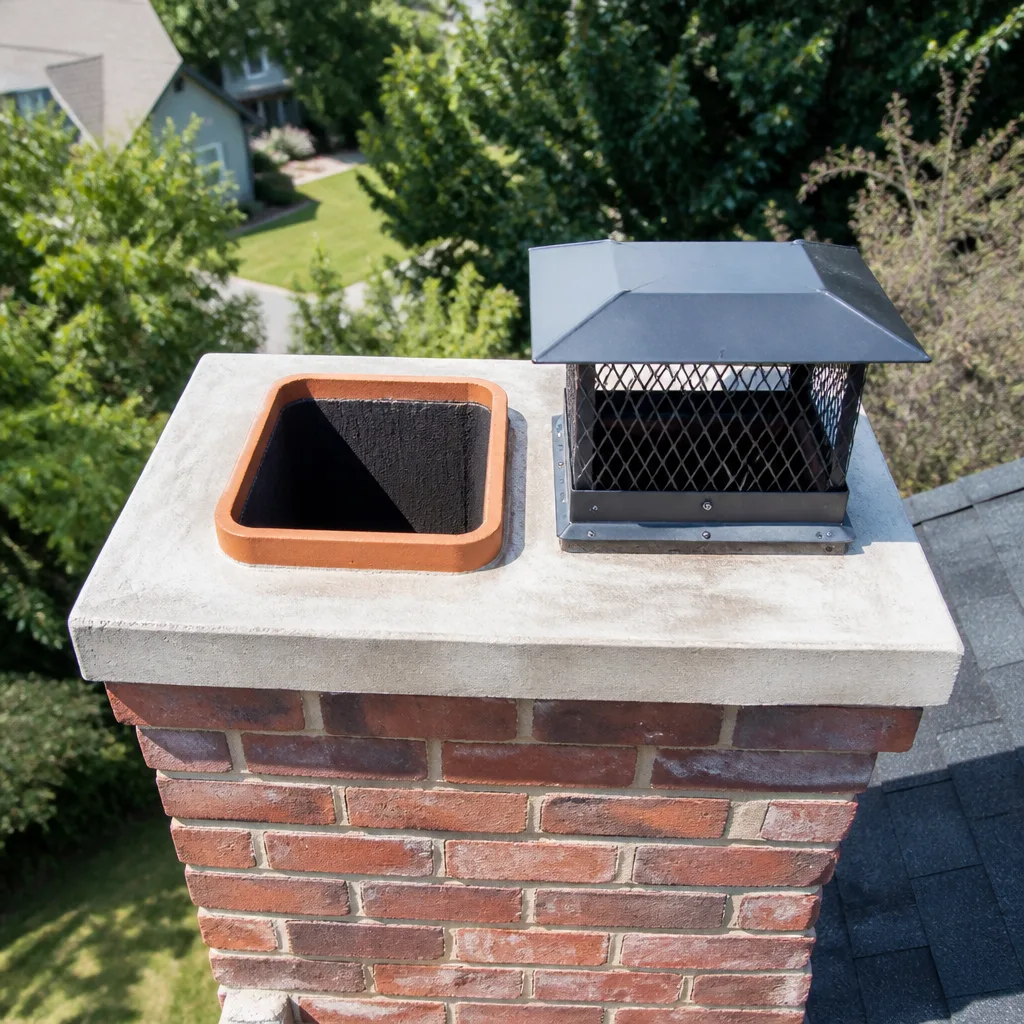
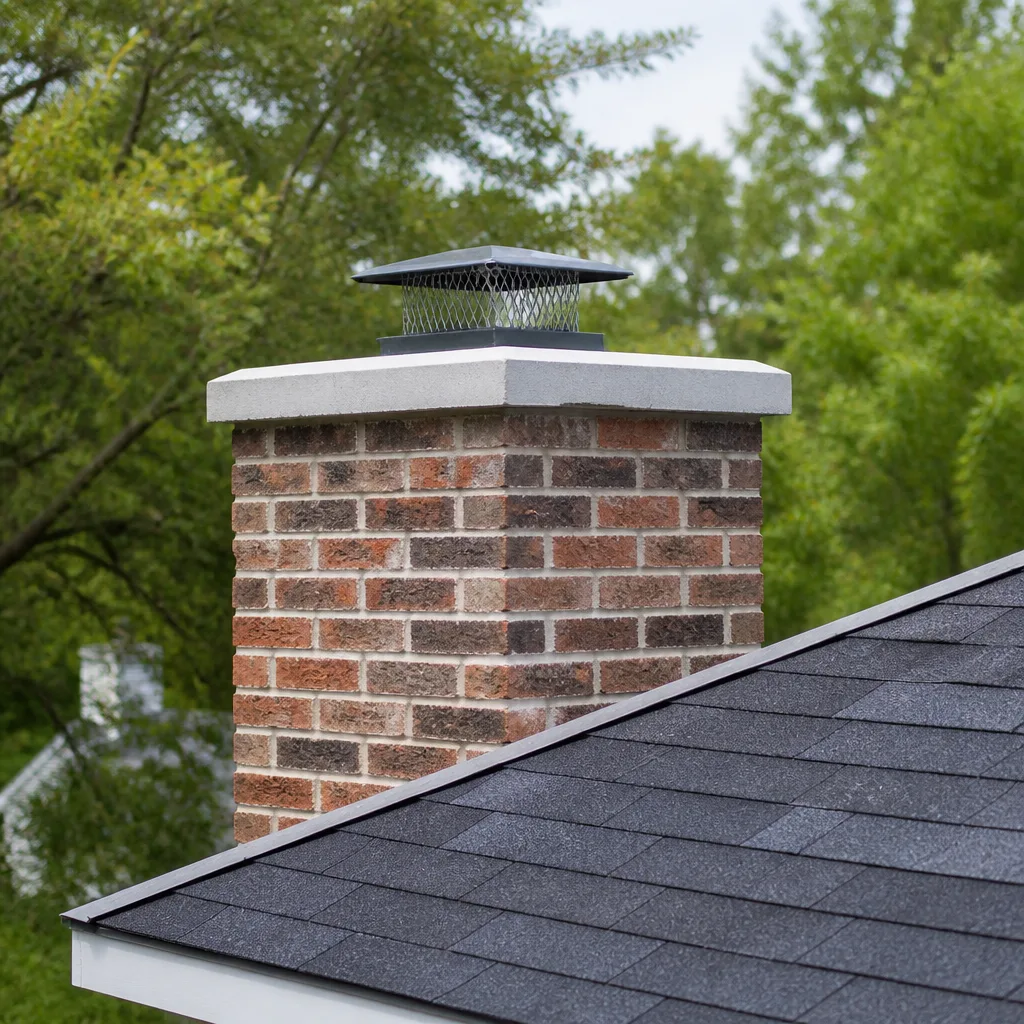
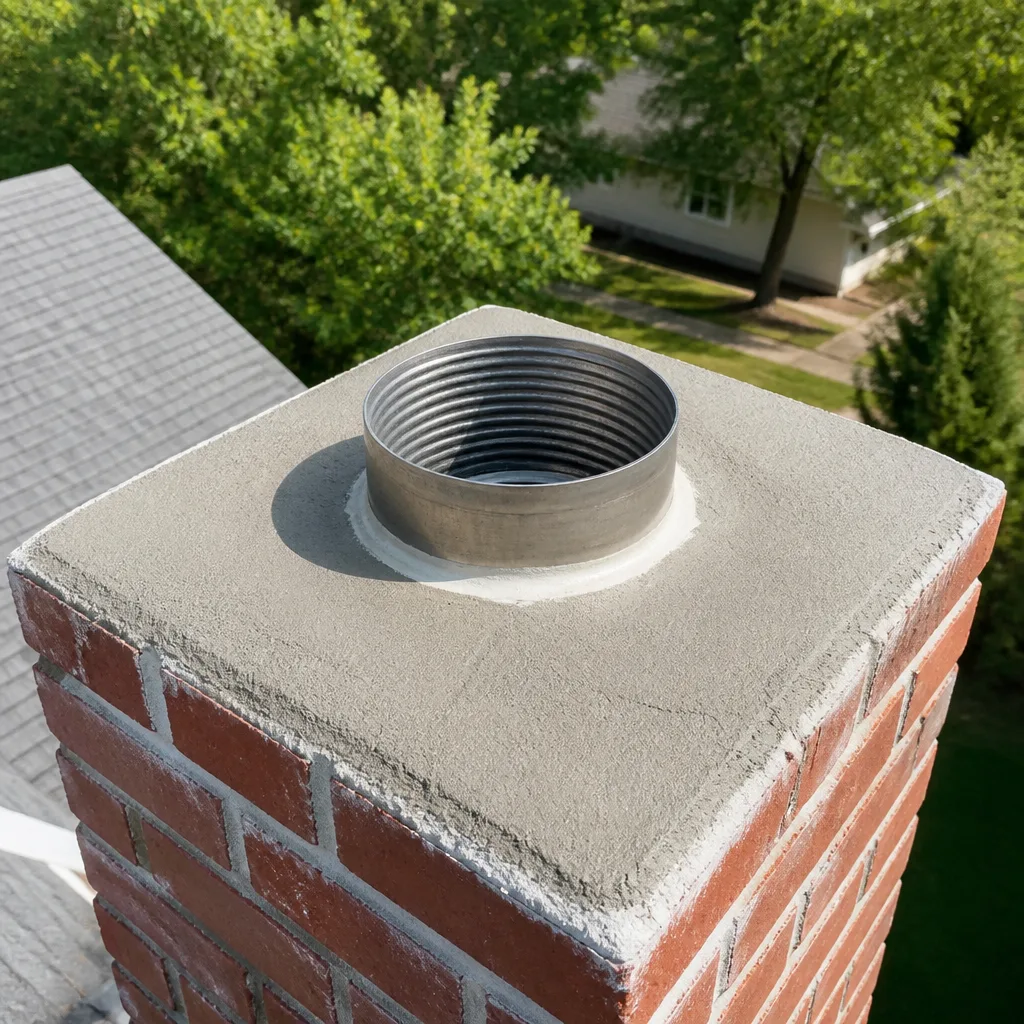
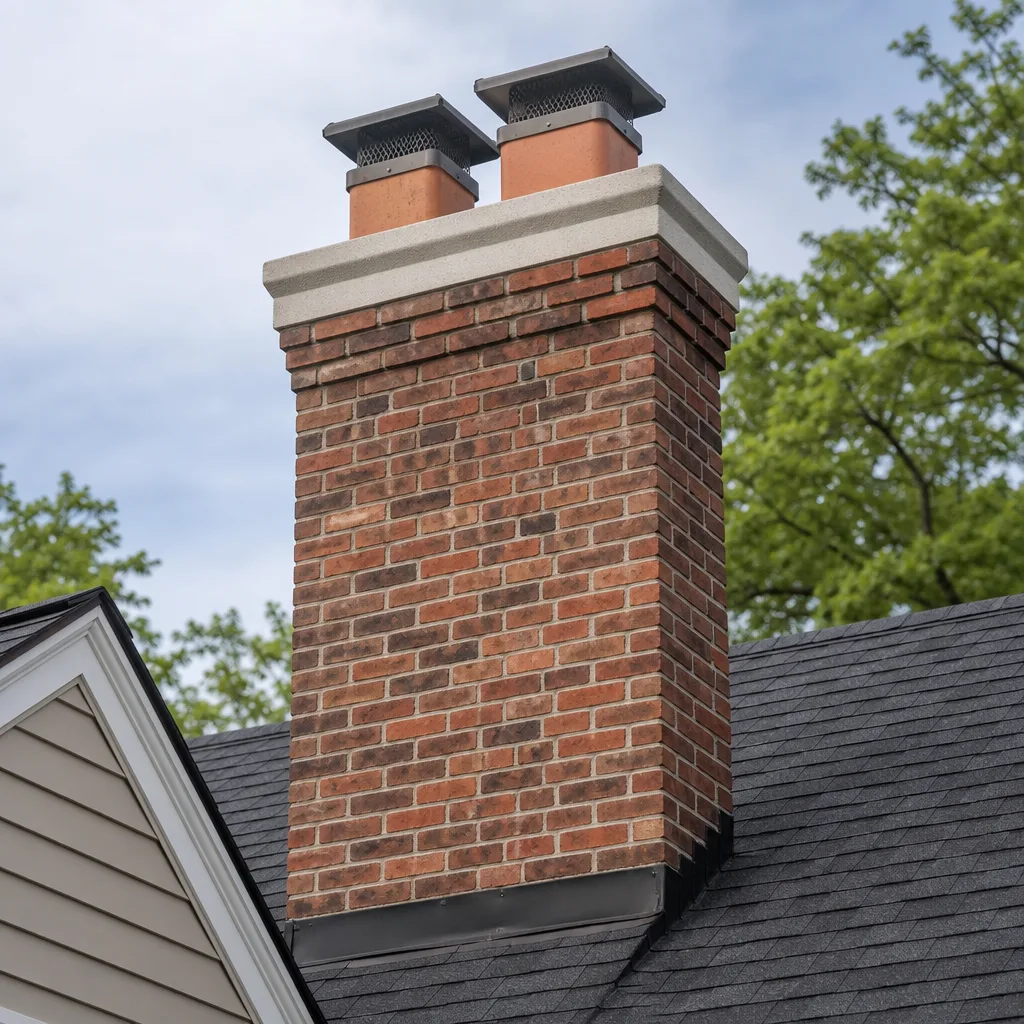
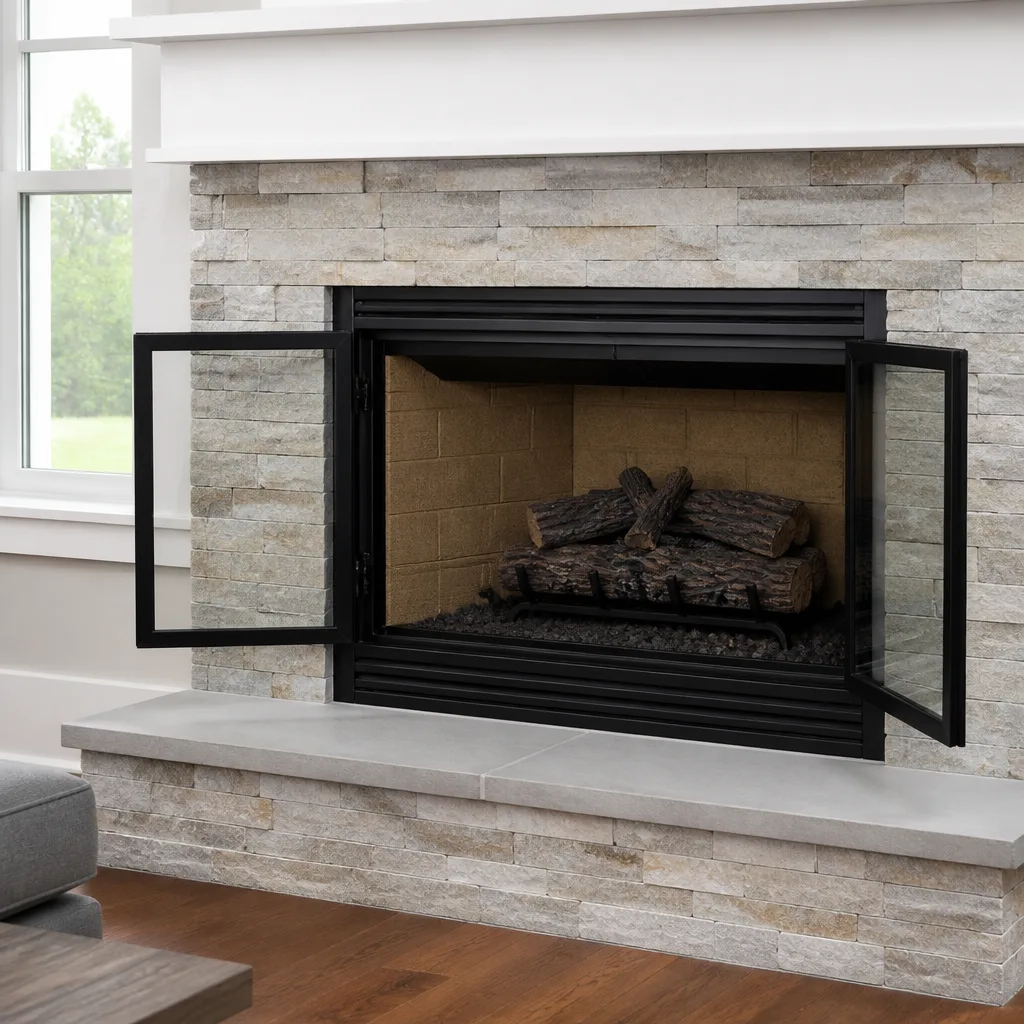
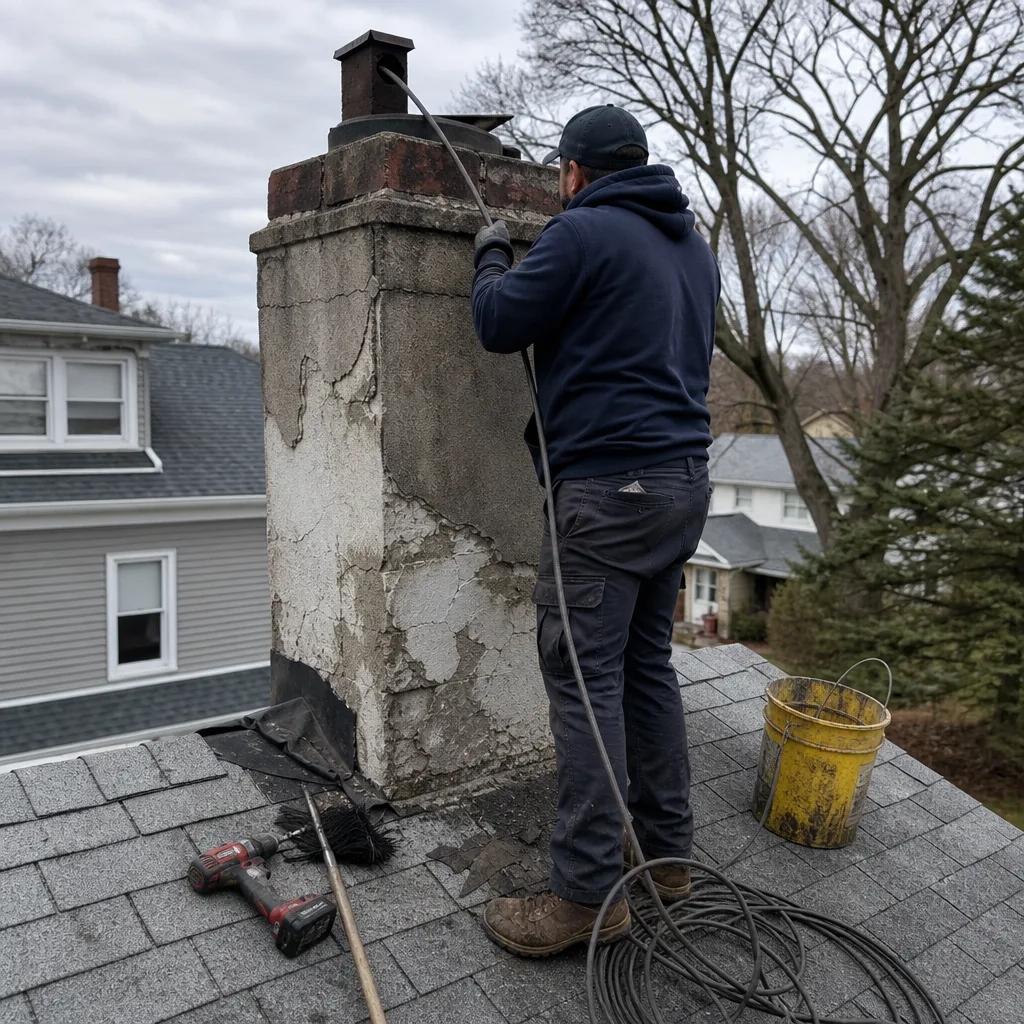 Before
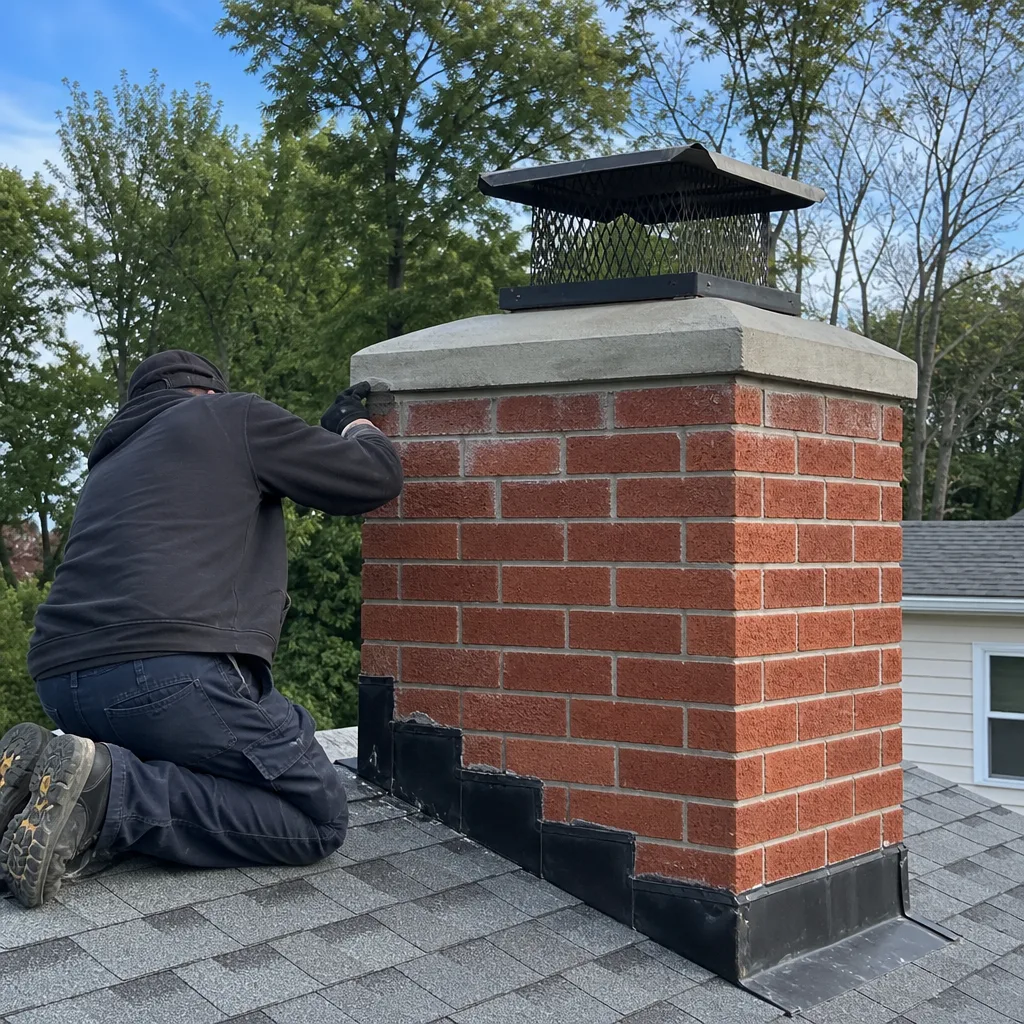 After
After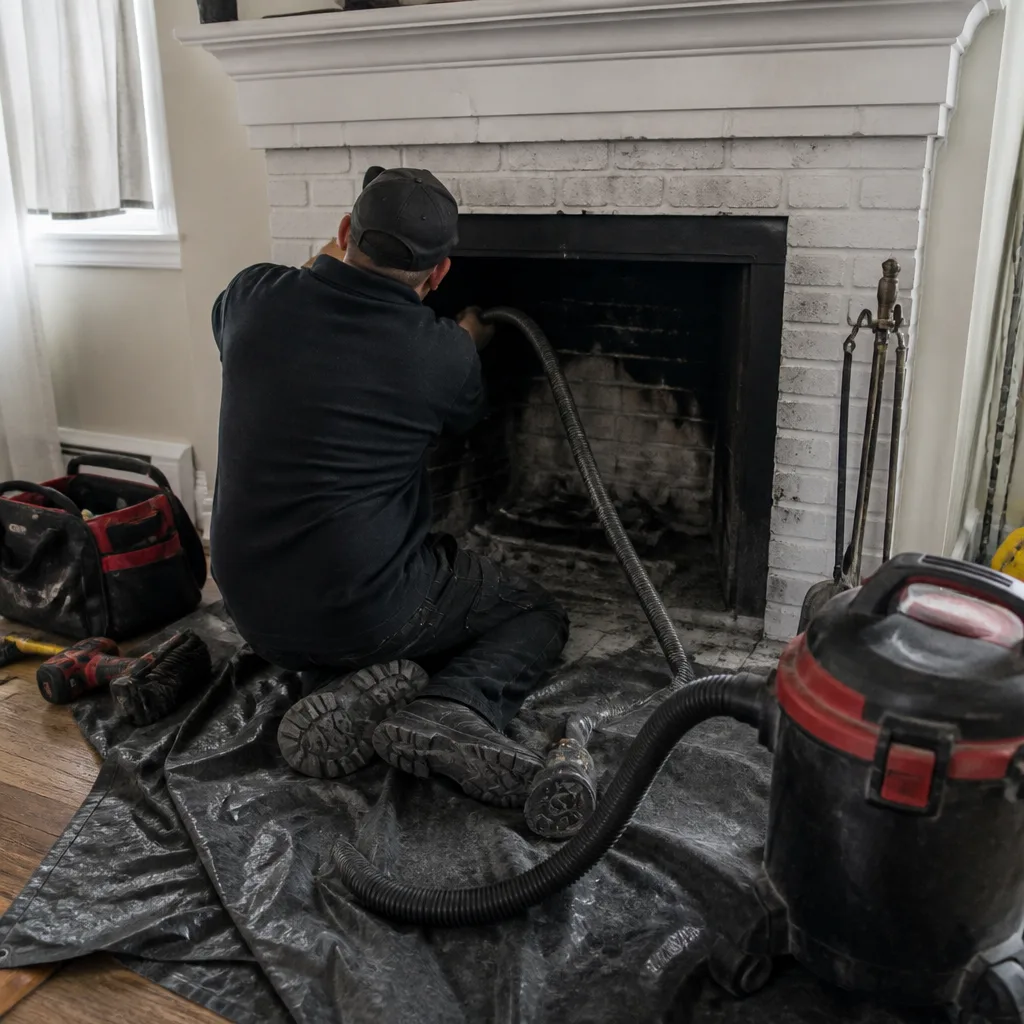 Before
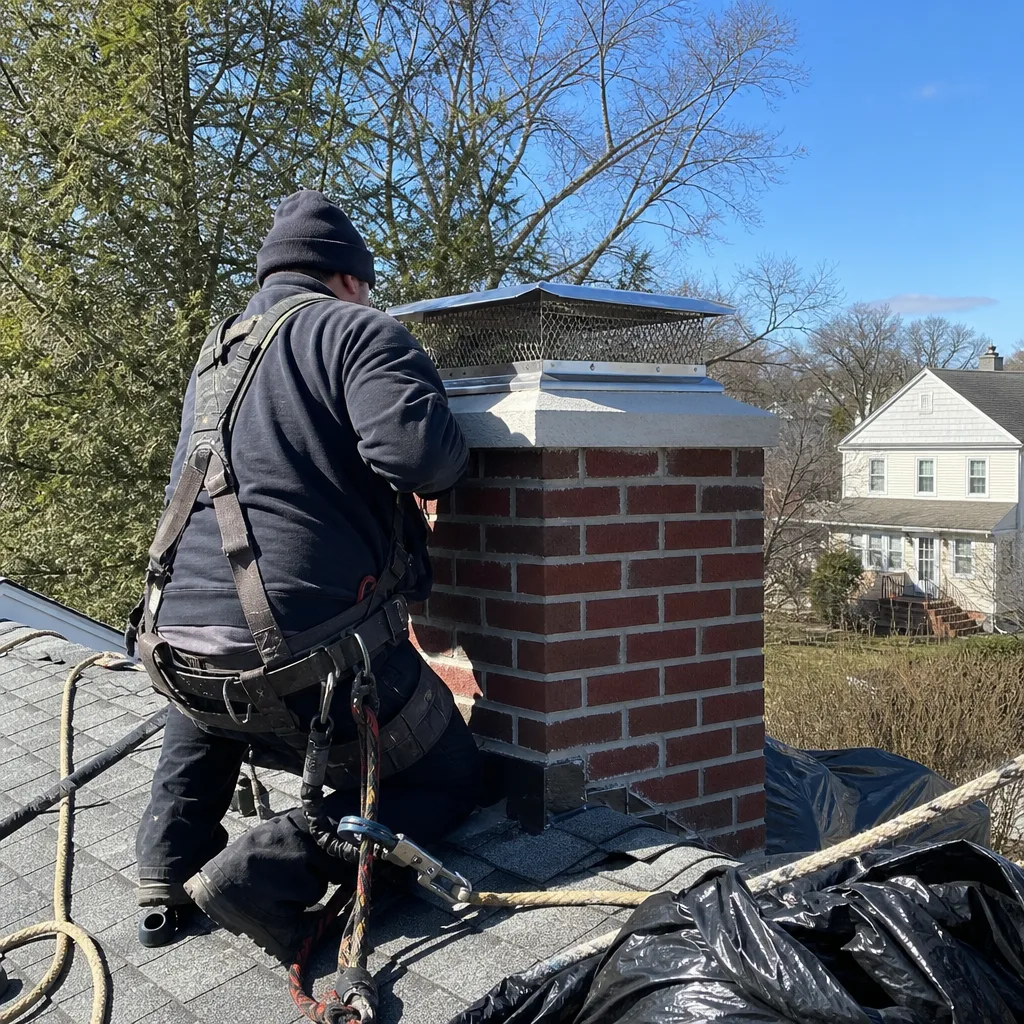 After
After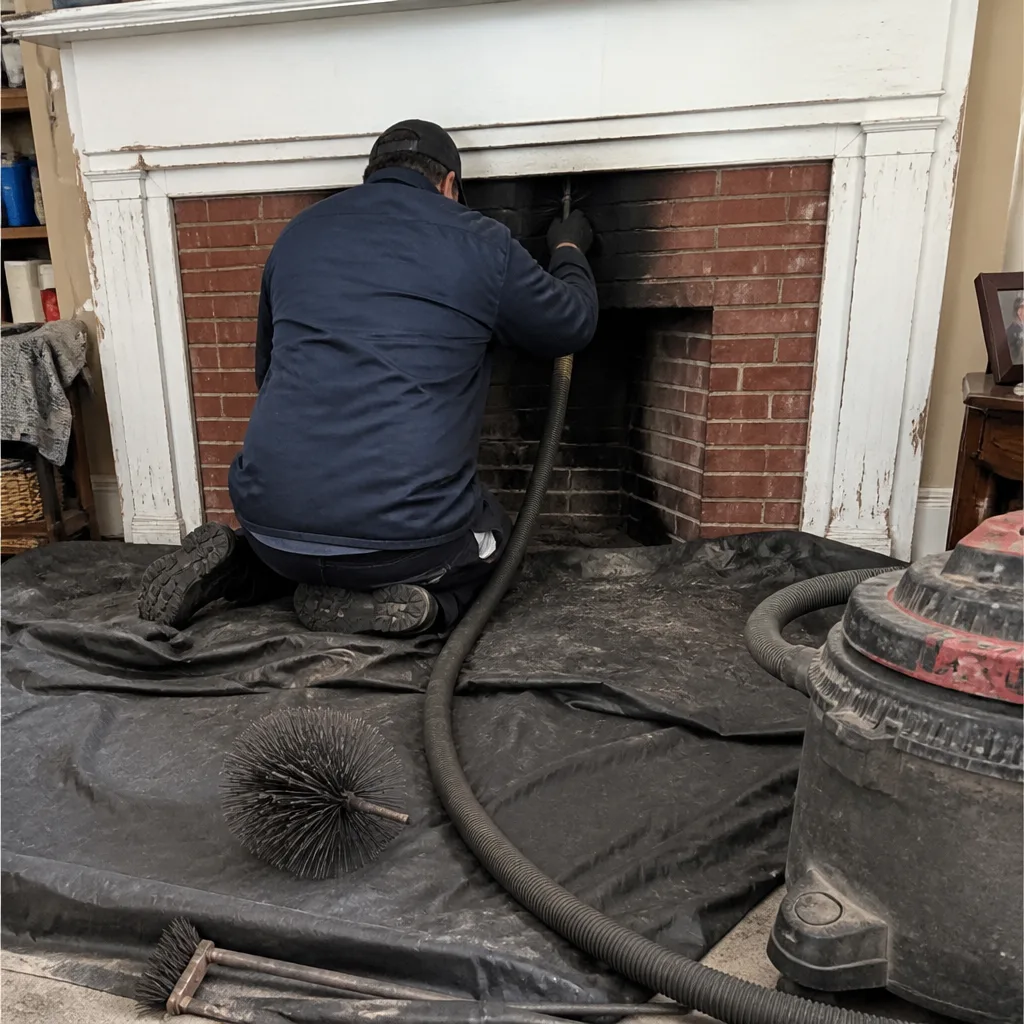 Before
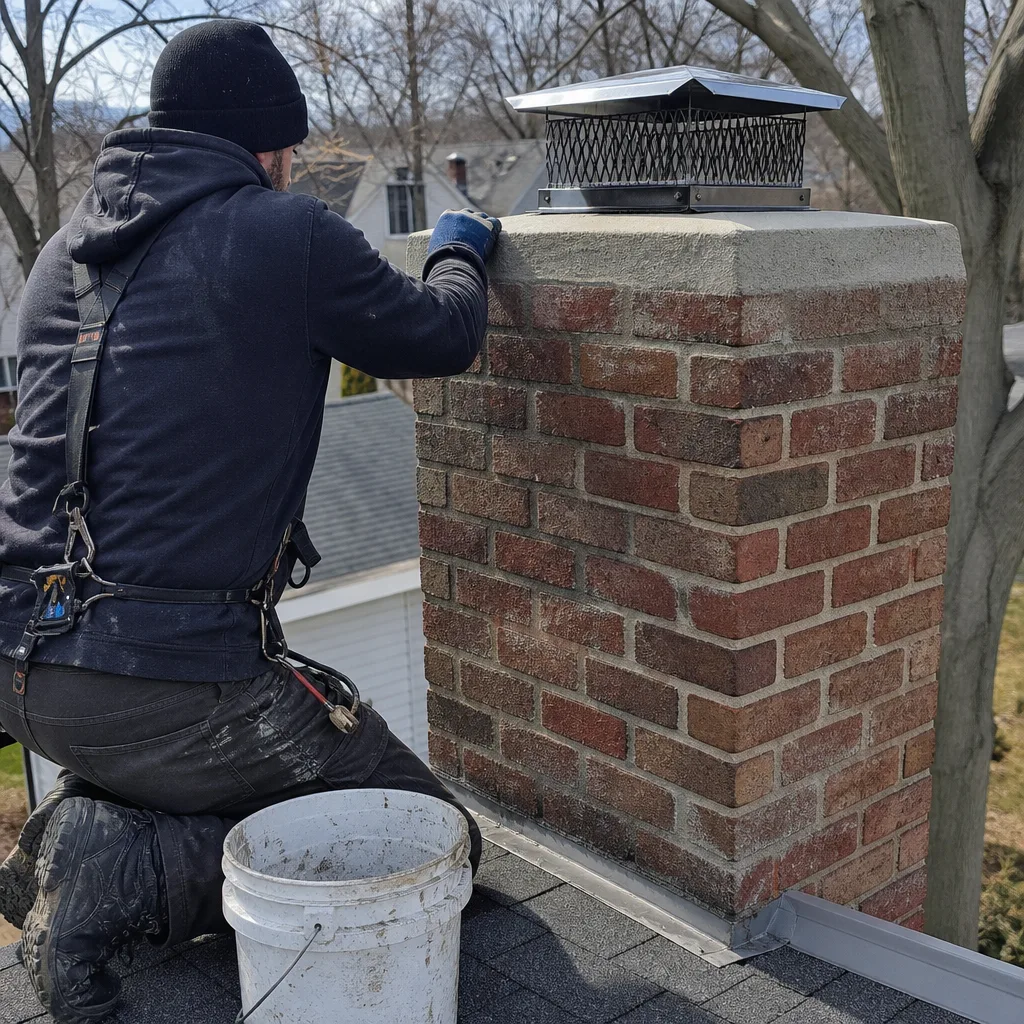 After
AfterHow to Hire a Chimney Cleaning Contractor in Mount Vernon: A Step-by-Step Guide
A chimney sweep in New York State is not required to hold a state license. That single fact changes everything about how you hire. In Mount Vernon, where pre-war colonials in Fleetwood share streets with mid-century ranches in Chester Heights, the only thing standing between your home and an unqualified contractor is your ability to ask the right questions before anyone climbs on your roof. This guide walks you through exactly what to request, what answers actually mean, and the red flags that separate a craftsman from someone who plans to disappear after cashing your check, with more guides & resources available on our blog.
Quick Answer
Hiring a chimney cleaning contractor in Mount Vernon means verifying CSIA certification, proof of liability insurance and workers’ compensation, and a written estimate with line-item pricing before any work begins. Request a Level-2 camera inspection with photos you can see, ask for a written guarantee with specific terms, and read online reviews for patterns of documented workmanship rather than generic praise. The lowest bid rarely includes what the others do.
Table of Contents
- Why Accountability Matters More Than Price in Mount Vernon
- The Three Credentials That Actually Protect You
- Five Questions That Reveal Whether a Contractor Understands Chimneys
- What a Legitimate Written Estimate Contains (and What a Vague Quote Hides)
- How to Read Online Reviews for Chimney Contractors Specifically
- Written Warranty Language That Means Something Versus Empty Promises
- Mount Vernon-Specific Considerations: Climate, Codes, and Common Issues
- Common Mistakes to Avoid
- When to Call a Professional
- Frequently Asked Questions
- The Bottom Line
Why Accountability Matters More Than Price in Mount Vernon
We’ve been sweeping chimneys in Mount Vernon since 2014, and we’ve rebuilt work that failed after two seasons because a homeowner chose the lowest bid. The problem isn’t that cheap work exists. It’s that chimney systems hide problems until they’re dangerous, and a contractor who cuts corners knows you won’t discover the failure until they’re long gone.
Mount Vernon’s housing stock tells the story. Homes near Crane Park and the Fleetwood neighborhood often contain original terra-cotta flue liners from the 1920s and 1930s. Mid-century homes off Sandford Boulevard and in the South Side may have unlined brick chimneys or early stainless steel that has corroded after sixty years of freeze-thaw cycles. Each requires different expertise. A contractor who quotes $89 without looking inside your flue isn’t planning to address what they find. They’re planning to run a brush and leave.
The real cost of chimney work isn’t the sweep. It’s what happens when a cracked liner goes undetected, when creosote builds behind a damper that doesn’t seal, when a chimney fire ignites in a flue that was “inspected” with a flashlight from the hearth. In our experience, the homeowners who call us for second opinions have typically already paid once for work that didn’t solve the problem.
Accountability means a contractor who documents what they find, explains it in plain English, and stands behind the repair with a guarantee you can enforce. Price matters, but only after you’ve established that the person on your roof will still answer the phone next year.
The Three Credentials That Actually Protect You
Because New York State does not license chimney sweeps, three documents separate professionals from operators. Request all three. A legitimate contractor produces them without hesitation.
CSIA Certification
The Chimney Safety Institute of America certifies sweeps who pass a comprehensive exam covering fire codes, construction standards, and inspection protocols. CSIA-certified sweeps must recertify every three years, which means they’ve demonstrated current knowledge. Ask for the certification number and verify it at csia.org. We’ve encountered technicians in Westchester County who let certification lapse years ago but still display the logo. The recertification date matters as much as the certificate itself.
Proof of Liability Insurance
Request a certificate of insurance showing at least $1 million in general liability coverage, with your address listed as the job site. This protects your property if a technician damages your roof, gutters, or interior. In Mount Vernon, where many homes have steep pitches and original slate or tile roofing near the city’s historic districts, this isn’t theoretical. We’ve seen dropped tools crack slate and foot traffic damage aging flashing. Without proper coverage, you pay for that damage or fight your own homeowner’s policy.
Workers’ Compensation Coverage
This protects you from liability if a technician is injured on your property. New York requires it for employees, but many one-truck operators classify workers as independent contractors to avoid the cost. If someone falls from your roof and lacks coverage, your homeowner’s insurance becomes the target. Request the workers’ comp certificate directly. A contractor who deflects or offers excuses has something to hide.
At Hearthstone Chimney Co., we carry all three and provide documentation before any work begins. No homeowner should climb a ladder to verify what a professional should volunteer.
Five Questions That Reveal Whether a Contractor Understands Chimneys
These questions expose whether you’re speaking with a technician or a salesperson. The answers should be specific, technical, and grounded in your actual chimney system.
- “What level of inspection does this job require, and why?” A knowledgeable contractor explains NFPA 211 inspection levels without prompting. Level 1 covers accessible portions of a chimney in service. Level 2, required for real estate transactions or after chimney fires or weather events, includes video scanning of the flue interior. Level 3 involves demolition of building materials to access concealed areas. If a contractor can’t distinguish these or defaults to “we’ll look at it,” they lack fundamental training.
- “What did you find in the last Mount Vernon chimney you inspected that the homeowner didn’t know about?” This reveals local experience. In our work, we regularly find deteriorated mortar joints in flues serving original coal-converted fireplaces, improper liner sizing from decades-old “repairs,” and creosote glazing caused by burning unseasoned firewood in damp Westchester winters. A contractor with real local history has specific examples. One without it recites generic problems.
- “How do you document your findings, and do I receive copies?” Documentation separates craftsmen from brush-and-run operations. We provide dated photos of the flue interior, the damper assembly, the smoke chamber, and the exterior crown and cap. Each image includes a plain-English explanation of what it shows and whether it requires action. A contractor who promises to “tell you what we find” without written or photographic record is asking you to trust memory against a $3,000 repair recommendation.
- “What brands and materials do you use for repairs, and why those specifically?” The answer reveals whether they source professional-grade materials or buy whatever the supply house has cheapest. We specify DuraFlex liners for their flexibility in offset flues, HeatShield cerfractory resurfacing for restoring deteriorated smoke chambers, and Gelco caps for corrosion resistance in coastal-influenced Westchester weather. A contractor who says “good quality stuff” or can’t name manufacturers doesn’t control their supply chain.
- “What happens if I have a problem after you leave?” The response should be immediate, specific, and in writing. Not “call us” or “we stand behind our work.” Exact terms: duration of guarantee, what it covers, whether labor and materials are both included, and how to initiate a claim. Our 90-Day Done Right Promise specifies all of this in writing, with no paperwork required from the homeowner. Vague promises become unenforceable the moment you need them.
What a Legitimate Written Estimate Contains (and What a Vague Quote Hides)
A written estimate is a contract’s first draft. It should contain enough detail that another professional could review it and understand the scope. Anything less protects the contractor, not you.
Elements of a Proper Estimate
- Your name, address, and the date of estimate
- Specific scope of work with line-item breakdown (sweeping, inspection, repairs, materials)
- Brand names and specifications for any materials to be installed
- Labor and material costs separated
- Permit requirements and who obtains them
- Start date and estimated completion
- Payment schedule with final balance due only after satisfactory completion
- Signature lines for both parties
Red Flags in Estimates
“Chimney repair: $2,400.” No breakdown, no materials specified, no description of what “repair” encompasses. This allows a contractor to claim additional problems mid-job and demand more money.
Verbal quotes with “we’ll write it up later.” Later rarely comes. The price changes once you’re committed, or the written version omits verbal promises.
Full payment upfront. Standard practice is a modest deposit with balance due on completion. A contractor who demands full payment before starting has no financial incentive to return if problems arise.
Pressure to sign immediately. “This price is only good today” is a sales tactic, not a business practice. A legitimate estimate remains valid for a reasonable period, typically 30 days.
In Mount Vernon, where many homeowners are retired or on fixed incomes, we’ve seen contractors exploit urgency with claims of “emergency” conditions requiring immediate payment. A cracked crown or deteriorated mortar is serious, but rarely requires same-day cash. Get a second opinion. Our Free Second Opinion on any written estimate exists precisely for this situation.
How to Read Online Reviews for Chimney Contractors Specifically
Online reviews for chimney work require different reading than restaurants or retailers. The patterns that indicate real craftsmanship differ from generic five-star praise.
Patterns That Suggest Genuine Workmanship
- Specific technical details. “They found a cracked flue tile at the third course and showed me the camera image” indicates real inspection. “Great service, very professional” could apply to any business.
- Timeline mentions. “Called in October, they came the following week, finished in three hours” shows operational capacity. “Came right away” with no date context suggests a review farm.
- Problem-to-resolution narrative. “Smoke was backing up into the living room, they identified a blocked flue and cleared it” demonstrates diagnostic skill. Generic praise without a problem description is suspect.
- Follow-up mentions. “Had a question two weeks later, they answered the phone and explained” reveals ongoing accountability. One-time reviews with no follow-up contact suggest transactional service.
Patterns That Indicate Reputation Management
Clusters of reviews posted within short windows, all using similar phrasing. Reviews that respond to negative feedback with identical language across multiple platforms. Five-star reviews from accounts with no other activity. Praise for “customer service” without mentioning actual chimney work performed.
Most importantly: look for reviews that mention not having work done. A trustworthy contractor sometimes recommends against immediate action. We’ve told Mount Vernon homeowners that their liner, while aged, remains serviceable for another season with monitoring. Reviews mentioning “they said I didn’t need anything yet” indicate integrity that no amount of marketing can fake.
Written Warranty Language That Means Something Versus Empty Promises
Guarantees are marketing until they’re tested. The language determines whether they’re enforceable.
Meaningless Warranty Language
- “Satisfaction guaranteed” - no scope, no duration, no mechanism
- “Lifetime warranty” on materials without defining “lifetime” (product life? building life? owner’s life?)
- “We’ll make it right” - no specification of what “right” means or timeline for response
- Requirements for annual paid maintenance to keep warranty valid (a common trap that converts guarantees into subscription services)
Enforceable Warranty Language
- Specific duration: “90 days,” “one year,” “twenty years on stainless steel liners”
- Covered components explicitly listed: “labor and materials,” “workmanship,” “manufacturer defects”
- Exclusions clearly stated: damage from chimney fires, earthquakes, homeowner modifications
- Claim process defined: who to contact, expected response time, documentation required
- Transferability: whether warranty passes to subsequent owners
Our 90-Day Done Right Promise states: if it’s not right, we make it right, backed in writing with no paperwork and no arguing. The K.E.Y.S. values govern it: Krafted right, Every time, Your home first, Standing behind it. No annual maintenance requirement. No transfer fees. No arbitration clauses. A guarantee should protect the homeowner, not the company’s legal position.
Mount Vernon-Specific Considerations: Climate, Codes, and Common Issues
Mount Vernon’s location on the Hutchinson River, with elevation changes from the river valley to the ridge lines near the Bronxville border, creates specific chimney stresses that contractors from outside the area often miss.
Freeze-Thaw Damage
Westchester County averages 25-30 freeze-thaw cycles annually. Water penetrates crown cracks and mortar joints, expands when frozen, and widens defects progressively. We’ve replaced crowns in South Side homes where freeze-thaw had destroyed the concrete in five years. A contractor who doesn’t mention crown condition specifically, or who recommends caulk instead of proper crown repair or replacement, doesn’t understand local weather patterns.
Coastal-Influenced Corrosion
While not coastal, Mount Vernon receives weather systems modified by Long Island Sound. Stainless steel caps and flashing corrode faster than in inland climates. We specify Copperfield and Gelco caps with proper gauge thickness for this environment. Budget caps from big-box suppliers fail prematurely.
Fuel Conversion History
Many Fleetwood and downtown Mount Vernon homes converted from coal to oil to gas over decades. Original flue dimensions often don’t match current appliance requirements. A contractor who sweeps without checking liner sizing against appliance BTU output risks carbon monoxide spillage or creosote accumulation in oversized flues. This requires NFPA 211 knowledge, not just brushing skill.
Local Permit Requirements
Mount Vernon requires permits for chimney rebuilds, liner installations, and structural modifications. A contractor who suggests “we can skip the permit to save money” exposes you to code violations, insurance denial after incidents, and resale complications. Legitimate contractors include permit costs in estimates and handle submission. We never recommend permit avoidance.
Neighborhood-Specific Patterns
In our experience, homes near the Metro-North corridor and older apartment conversions often have shared chimney structures with improper separation between units. Chester Heights ranches frequently contain factory-built fireplaces with rusted chase covers. Each neighborhood has patterns that experienced local contractors recognize.
Common Mistakes to Avoid
- Hiring based on a single phone quote. No professional can price chimney work without inspection. The $89 special that becomes $2,400 after “we found a problem” is a well-documented pattern.
- Accepting verbal promises about insurance. “We’re fully insured” means nothing without documentation. Request certificates directly from the insurance carrier, not from the contractor.
- Ignoring the inspection before the sweep. A sweep without prior inspection can damage deteriorated flue tiles or mask problems that inspection would reveal. The correct order is inspect, then sweep, then repair if needed.
- Choosing a contractor who only sweeps, never repairs. Some operators run sweeps exclusively and refer repairs to others for kickbacks. This fragments accountability. A full-service contractor owns the entire system condition.
- Paying for “waterproofing” that isn’t specified. Generic chimney waterproofing with unspecified products often fails in Westchester’s climate. Request product names and application standards.
- Neglecting to verify CSIA recertification status. Initial certification without ongoing education means outdated knowledge of current codes and materials.
- Hiring out-of-county contractors without local reference verification. Westchester chimney conditions differ from Suffolk County or northern Dutchess. Local experience matters for accurate diagnosis.
When to Call a Professional
Call a chimney professional before burning season begins, if you notice smoke odors when the fireplace isn’t in use, if you see white efflorescence staining on exterior brick, or if your damper no longer operates smoothly. After any chimney fire, even a small one, a Level-2 inspection is mandatory before next use. In Mount Vernon, where many homeowners rely on fireplaces for supplemental heat during Con Edison rate spikes, pre-season inspection prevents mid-winter emergencies.
Hearthstone Chimney Co. offers free estimates in Mount Vernon. Call (914) 246-5794. A live person answers, 24 hours a day, every day. We’ll schedule a Level-2 camera inspection, show you exactly what we find, and provide a written estimate with line-item pricing before any work proceeds. Most jobs are completed in a single visit by background-checked, uniformed technicians. The number on the estimate is the number on the invoice.
Frequently Asked Questions
A professional chimney sweep in Mount Vernon typically ranges from $150 to $350 for a standard Level-1 service with basic inspection, while a Level-2 inspection with video scanning runs $250 to $500 depending on accessibility and flue configuration - see our Chimney Cleaning Cost Breakdown: The Mount Vernon Homeowner’s Reference for 2026 for full details. Prices below this range often exclude proper inspection or use uninsured labor. Call (914) 246-5794 for an exact quote - estimates are free.
You need a new liner when the existing one is cracked, improperly sized for your current heating appliance, or missing entirely - conditions we verify with camera inspection and document with photos you can see. In Mount Vernon, we’ve found original terra-cotta liners that remain sound after ninety years and stainless steel liners that failed in fifteen due to improper installation. No liner should be replaced without visual evidence of failure. Call (914) 246-5794 for an inspection with documentation.
The National Fire Protection Association recommends annual inspection for all chimney systems, with sweeping frequency determined by use - typically once per cord of wood burned for wood-burning fireplaces, or annually for oil and gas systems regardless of apparent condition. Mount Vernon’s freeze-thaw climate accelerates exterior deterioration, so annual inspection catches crown and mortar issues before they become structural - our Seasonal Chimney Cleaning Care for Mount Vernon: Year-Round Homeowner’s Guide explains what to watch for each season. Call (914) 246-5794 to schedule before burning season.
Skipped maintenance leads to creosote accumulation that fuels chimney fires, carbon monoxide leakage through cracked liners or missing mortar, and progressive water damage that destroys chimney structures from the inside out. In Mount Vernon, we’ve rebuilt chimneys where deferred maintenance turned $800 crown repairs into $6,000 rebuilds. The hazard isn’t immediate in most cases, but it is inevitable. Call (914) 246-5794 for a condition assessment.
No - New York State does not license chimney sweeps, which makes homeowner verification of CSIA certification, insurance, and workers’ compensation essential. This absence of state oversight is why we emphasize documentation before any work begins. An unlicensed contractor can legally operate; an uninsured one can leave you liable for damage and injury. Call (914) 246-5794 and we’ll provide our credentials before you commit to anything.
The $89 Seasonal Tune-Up includes a Level-1 inspection, basic sweeping, damper and firebox assessment, and written condition report - designed for chimneys in regular service without known issues. It does not include video scanning or repair work. For chimneys with suspected liner damage, drafting problems, or real estate transaction requirements, we recommend a Level-2 inspection. Call (914) 246-5794 to discuss which service matches your situation.
The Bottom Line
Hiring a chimney contractor in Mount Vernon is an exercise in verifying accountability. Start with CSIA certification, insurance documentation, and workers’ compensation proof. Demand written estimates with line-item specificity, camera inspection with photos you keep, and a guarantee with enforceable terms. Read reviews for technical specificity and follow-up accountability. Ask the five questions that expose superficial knowledge. And remember that the lowest bid often excludes what protects your home - proper materials, documented findings, and a contractor who answers the phone next year.
Done right - and we stand behind it.
Written by Russell Haines, Owner at Hearthstone Chimney Co., serving Mount Vernon since 2014.