
Last updated September 10, 2026
Level 1 sweep and inspection to the NFPA 211 annual standard - flue, crown, cap, and flashing checked and photographed
Chimney sweep logs do not sweep chimneys. They loosen some creosote - which then falls where a brush and vacuum still have to collect it.
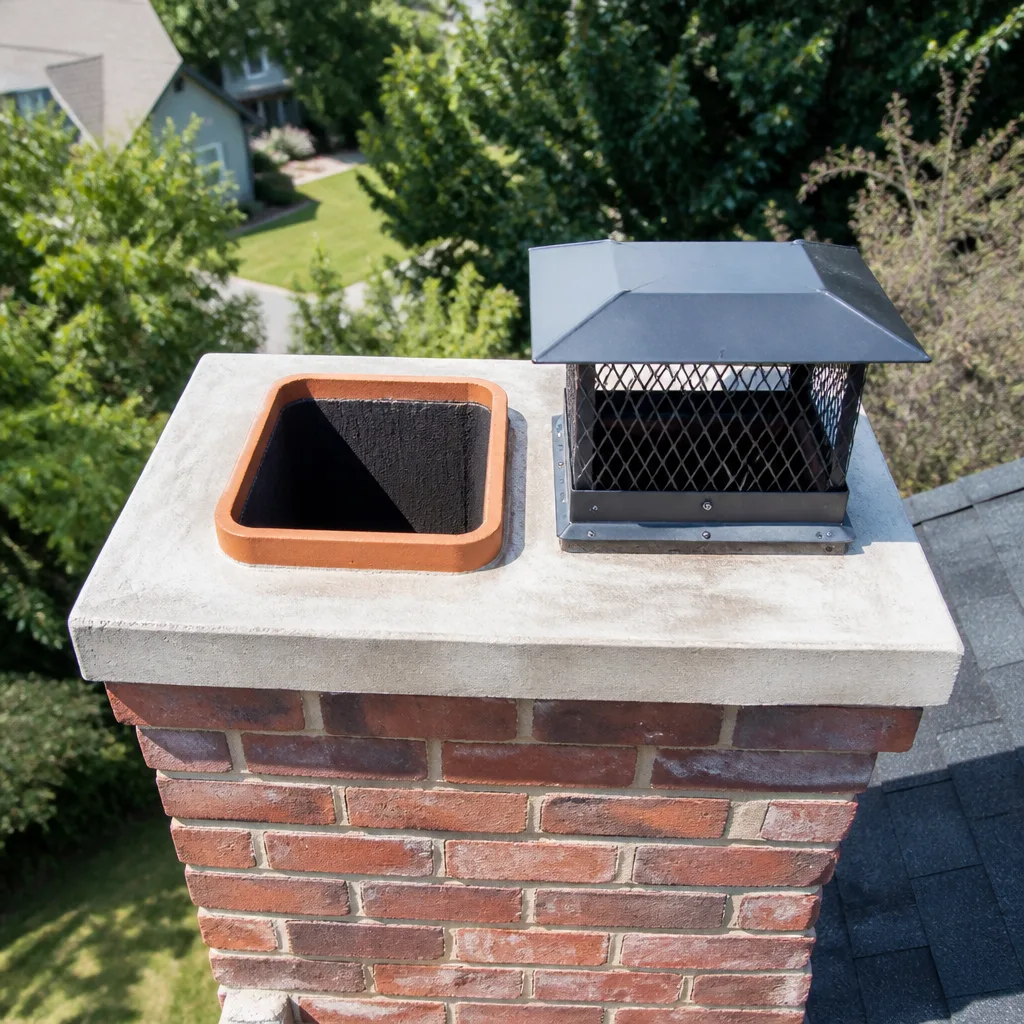
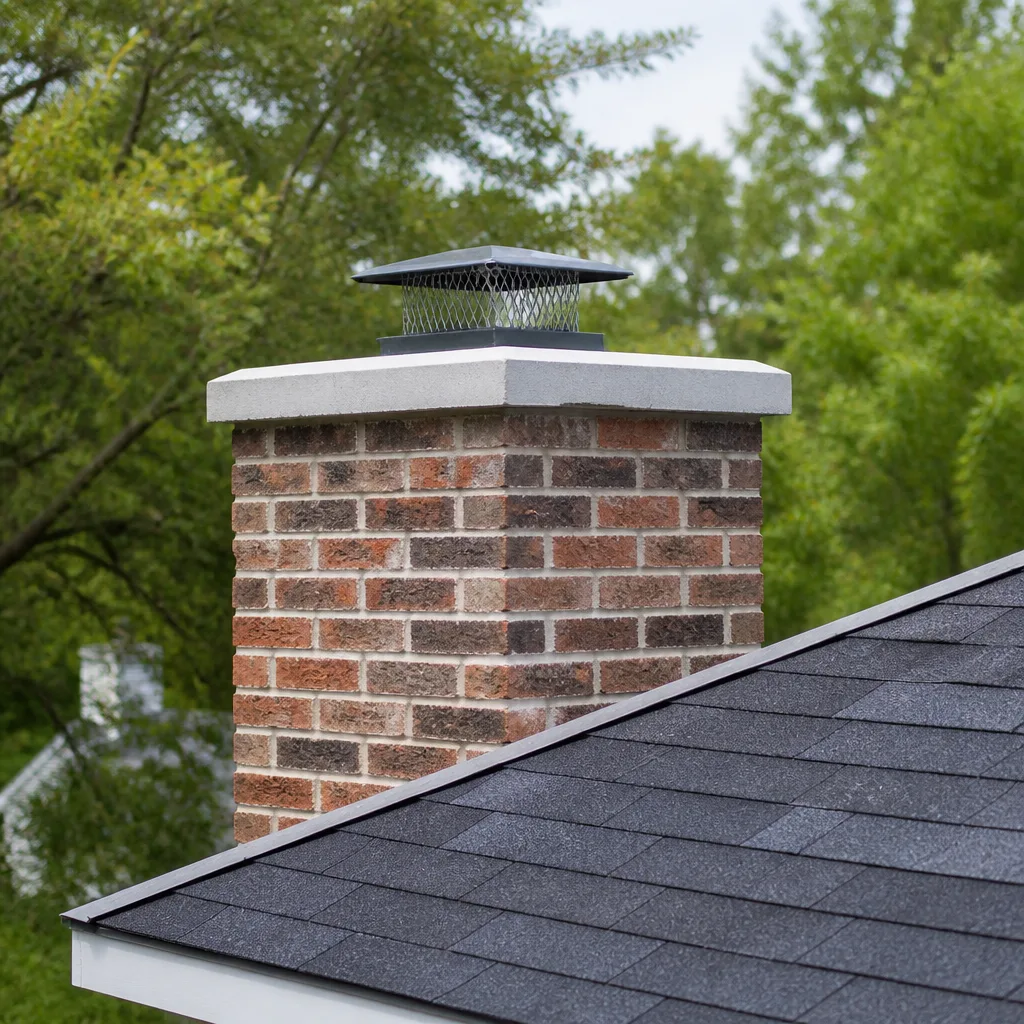
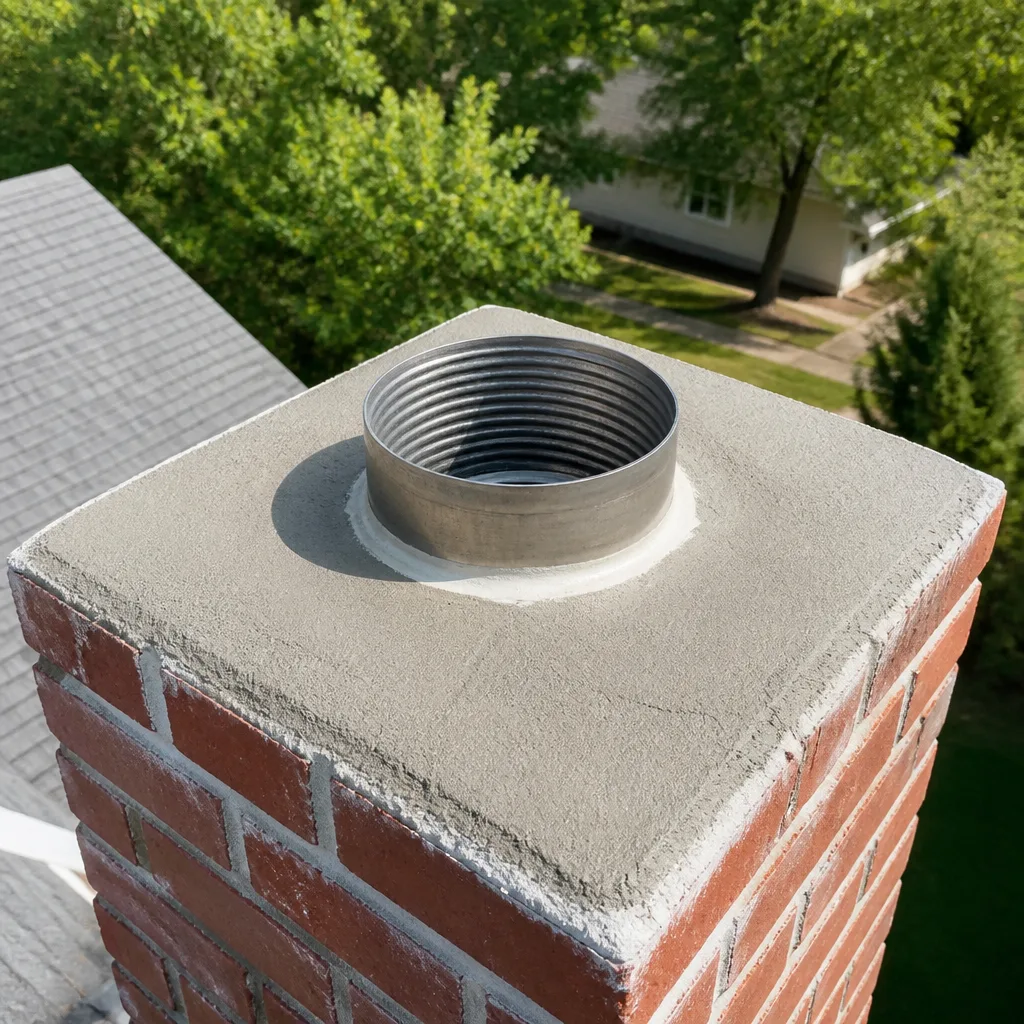
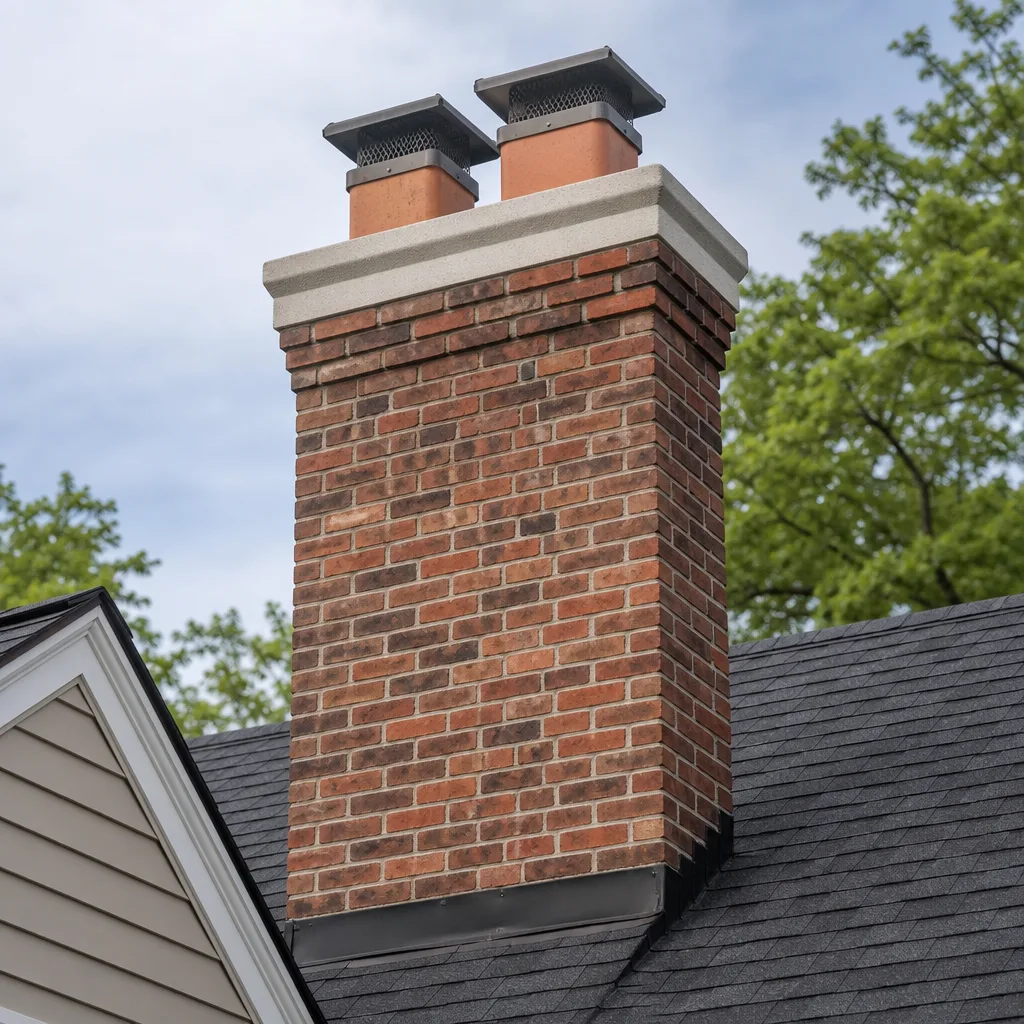
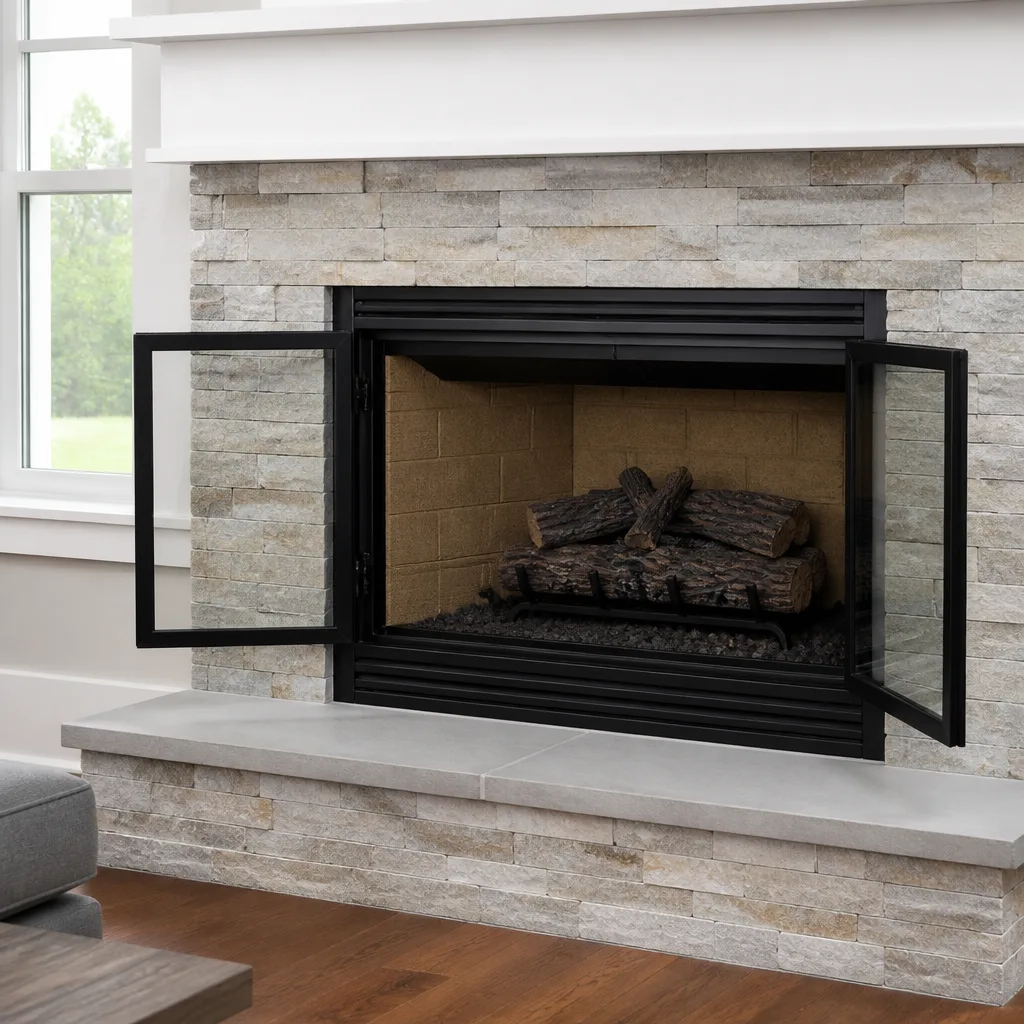
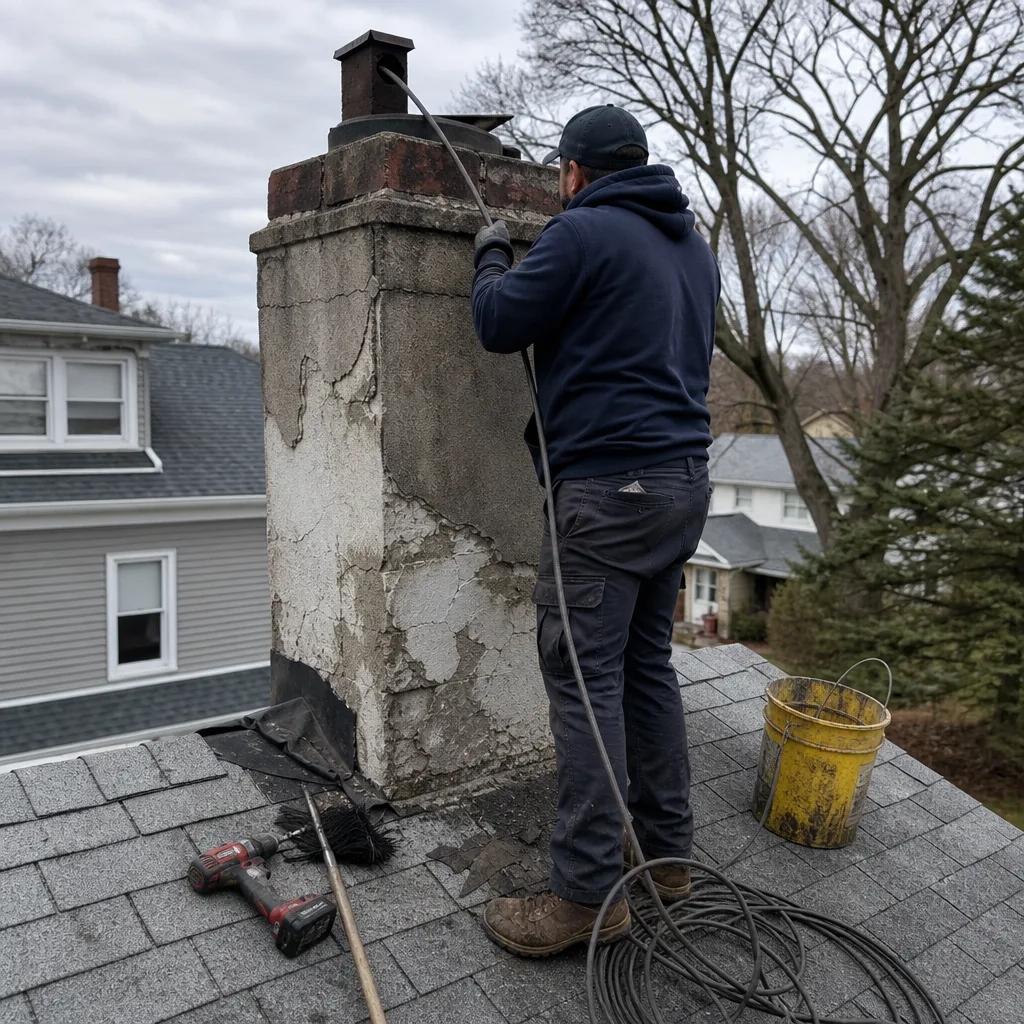 Before
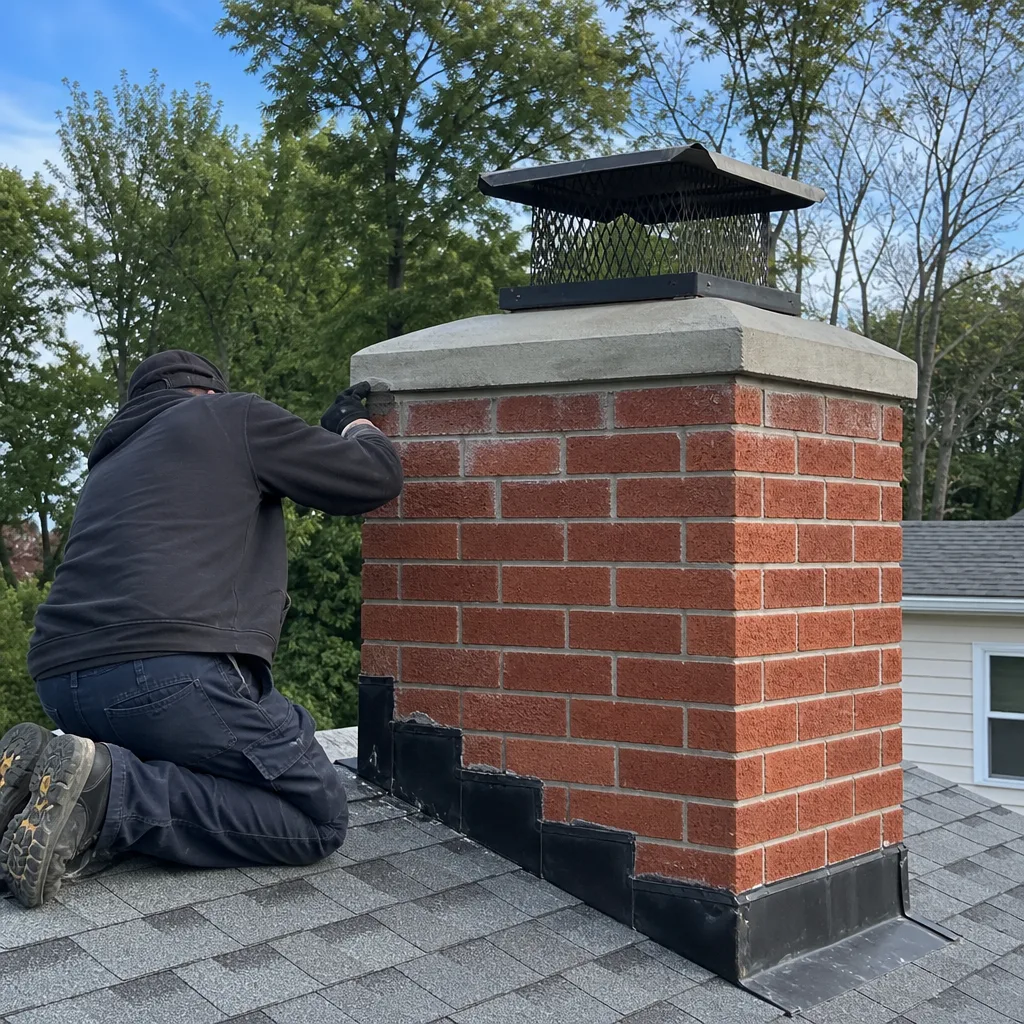 After
After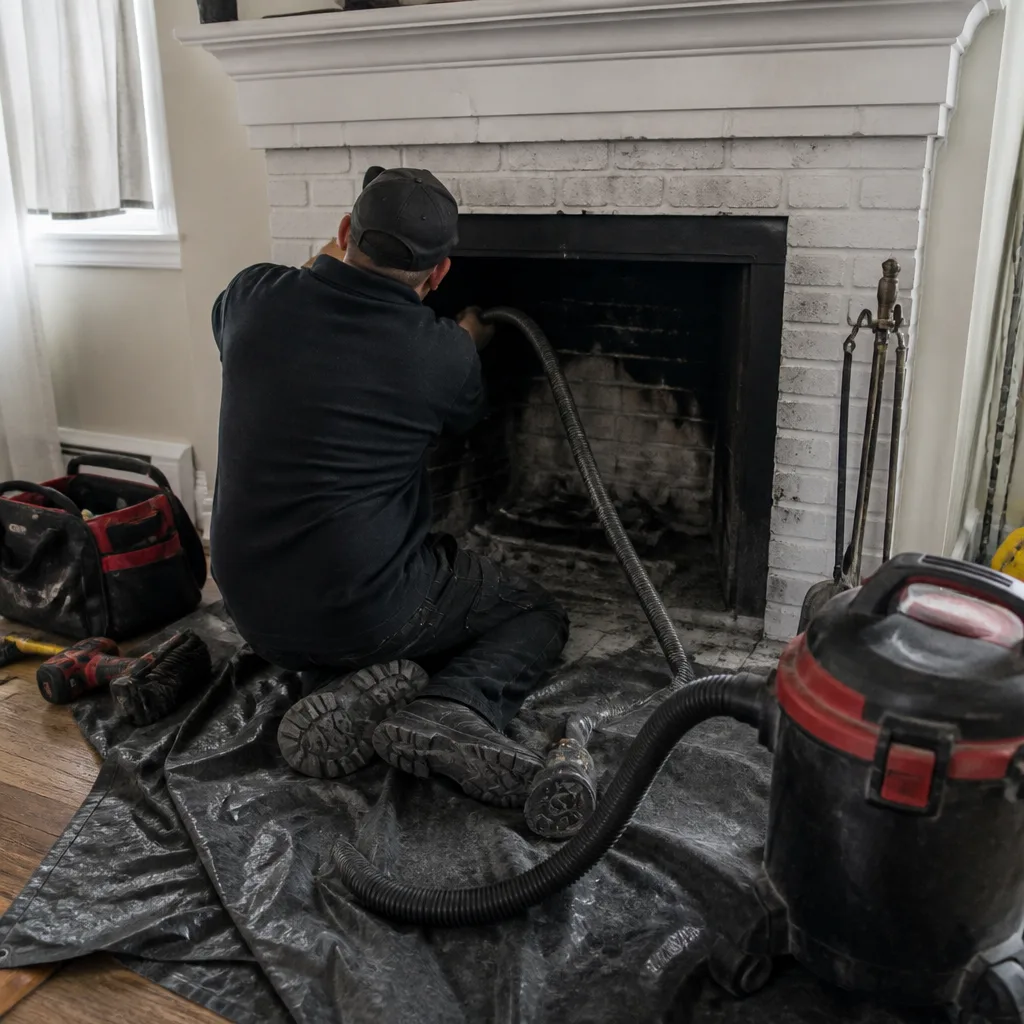 Before
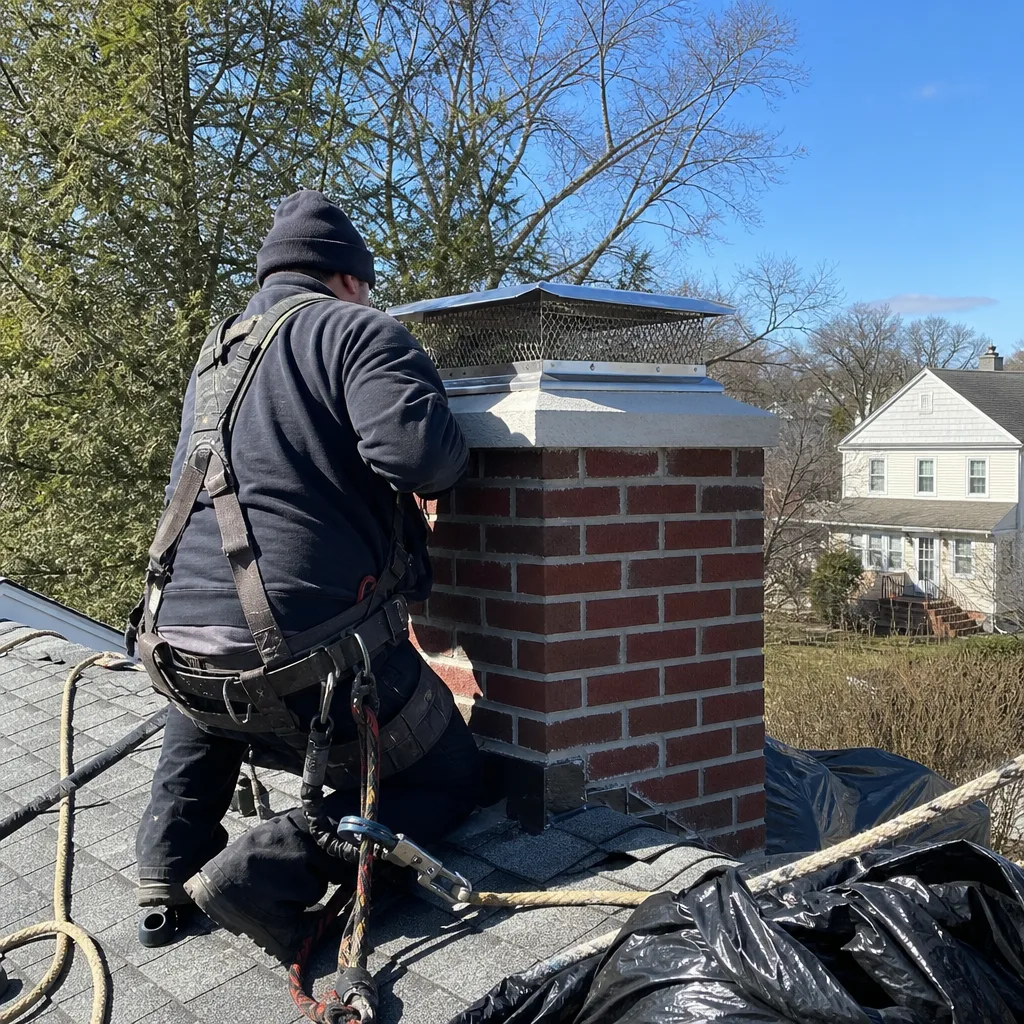 After
After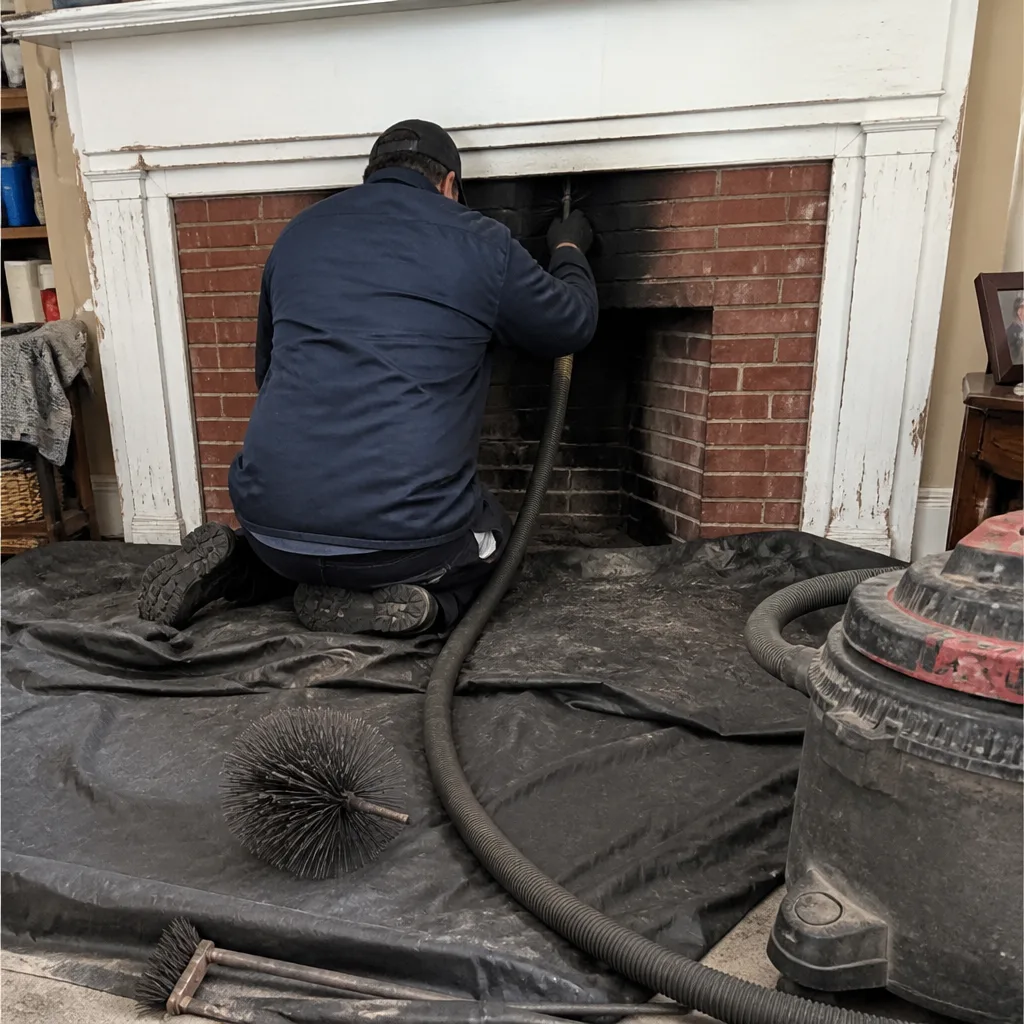 Before
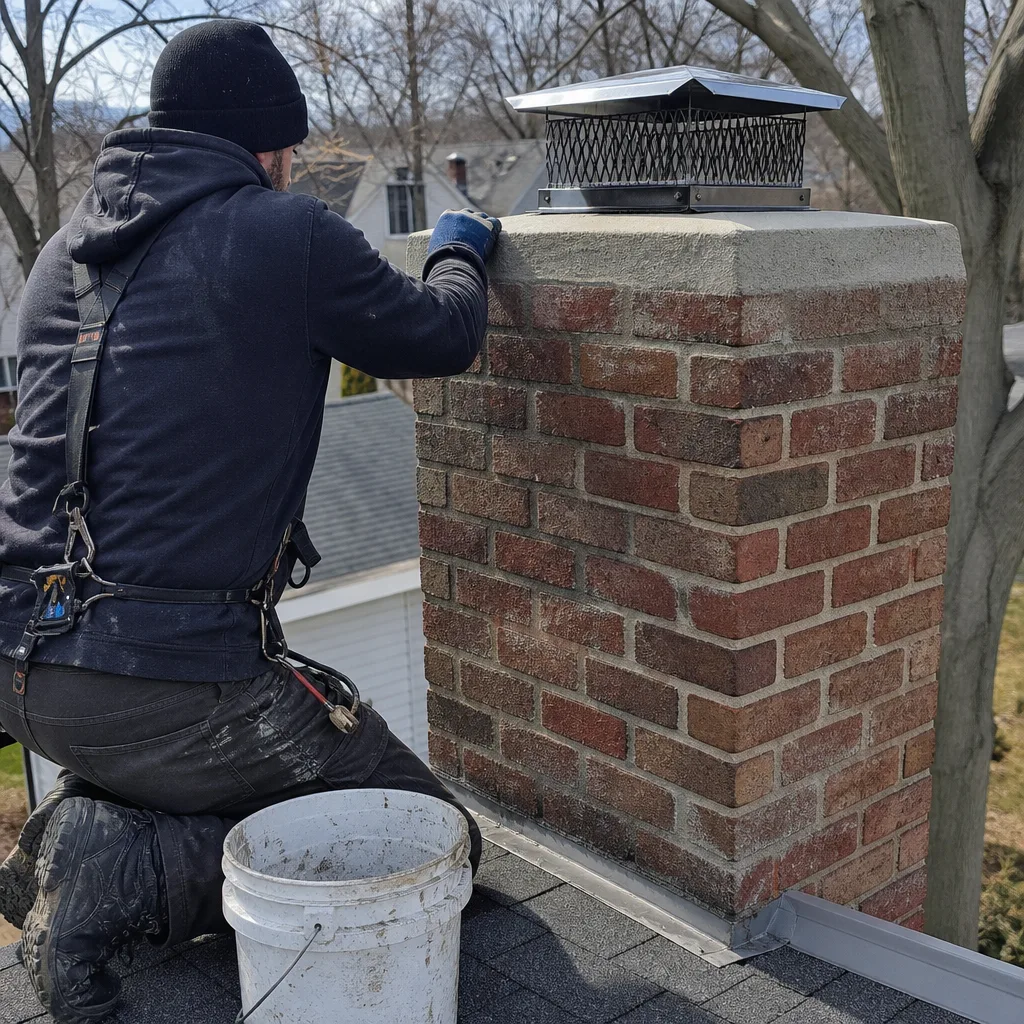 After
AfterChimney Cleaning & Sweep Maintenance Checklist for Mount Vernon Homeowners
The most dangerous chimney in Mount Vernon isn’t the one nobody has touched in ten years. It’s the one that was “cleaned” last fall by someone who ran a brush through the flue, handed over a receipt, and never looked at the firebox, the cap, or the liner. We’ve been providing our Chimney Cleaning & Sweep services in Westchester County for over 42 years, and we’ve seen the aftermath: cracked crowns that let water freeze and expand through winter, deteriorated liners that vent carbon monoxide into bedroom walls, and creosote glazing so hard it looks like black glass. This checklist draws a hard line between what you can verify with your own eyes and what requires a trained sweep with a camera. Follow it, and you’ll never waste money on the wrong service or skip the one that matters.
Quick Answer
Mount Vernon homeowners should have their chimney professionally swept and inspected once per year, with additional checks each season for visible exterior damage, proper cap function, and draft performance. A complete sweep includes a Level-2 camera inspection, written documentation with photos, and a plain-English verdict on the condition of the liner, crown, firebox, and flue. Between professional visits, homeowners can monitor five ground-level Chimney Cleaning Warning Signs: A Mount Vernon Homeowner’s Reference Guide that indicate a sweep is overdue regardless of the calendar.
Table of Contents
- Month-by-Month: What to Check Yourself vs. What to Call a Sweep For
- Five Ground-Level Warning Signs a Sweep Is Overdue
- Why Cap and Crown Inspection Belongs on Your Checklist Every Year
- How to Document Your Chimney’s Baseline Condition With a Smartphone
- What a Completed Sweep Should Leave Behind
- How Mount Vernon’s Climate and Housing Stock Affect Chimney Wear
- Common Mistakes to Avoid
- When to Call a Professional
- Frequently Asked Questions
- The Bottom Line
Month-by-Month: What to Check Yourself vs. What to Call a Sweep For
Chimney maintenance isn’t one big annual event. It’s a rhythm of small observations that, taken together, prevent the expensive surprises nobody wants. We’ve organized this by season because Mount Vernon’s freeze-thaw cycles, humid summers, and heavy heating-season use each create distinct stresses on your system-see also The Complete Guide to Chimney Cleaning in Mount Vernon for deeper context.
September: Pre-Heating Season Inspection (Call a Sweep)
Schedule your professional sweep and Level-2 inspection before you light the first fire. In our experience, Mount Vernon homeowners who wait until October often find themselves in a queue behind everyone else. A proper pre-season visit from Hearthstone Chimney Co. includes:
- Full flue sweeping with rotary brushes sized to your liner diameter
- Camera inspection from firebox to crown, with photos of every transition and joint
- Firebox and smoke chamber examination for cracked brick or deteriorated mortar
- Crown, cap, and flashing assessment from the roof
- Damper operation and seal test
- Written report with photos and a specific verdict on each component
This is not a task for the homeowner. Creosote removal requires proper containment equipment. Camera inspection requires training to interpret what the lens reveals. And roof access, even on a single-story Mount Vernon bungalow, carries real fall risk.
October Through March: Weekly Observations You Can Make
While the system is in active use, pay attention to:
- Draft performance: Smoke should draw immediately up the flue, not linger in the firebox or spill into the room. A weak draft on cold-start days is normal; persistent smoke spillage is not.
- Burn quality: Fires should produce thin white or blue-tinted exhaust. Thick brown or black smoke indicates wet wood, poor combustion, or flue restriction.
- Odor: A faint wood-smoke scent near the fireplace when not in use suggests damper seal failure or negative pressure in the house.
- Visible creosote: Open the damper and shine a flashlight up the flue. Fluffy black deposits are stage-one creosote and normal. Shiny, tar-like glazing is stage three and demands professional removal.
April: Post-Heating Season Assessment (Mixed)
Once the last fire is out, do a ground-level exterior walk. Look for:
- Missing or damaged chimney cap
- Spalled or flaking brick on the chimney exterior
- Discoloration or staining below the crown
- Debris or vegetation at the chimney base
Then call for a sweep if you noticed any draft or odor issues during the heating season, even if your annual inspection isn’t due. Problems don’t improve with disuse.
May Through August: Exterior-Only Monitoring (Homeowner)
Summer is when water damage accelerates in Mount Vernon. Our humid climate plus afternoon thunderstorms let moisture penetrate any crown crack or flashing gap. Check monthly:
- Cap position and screen integrity after storms
- New vegetation growth that might root in mortar joints
- Musty odors from the firebox, indicating water intrusion
If you spot any of these, schedule a mid-year inspection. Water damage is always cheaper to stop than to repair.
Five Ground-Level Warning Signs a Sweep Is Overdue
These signs are visible without a ladder, without special equipment, and without training. If you observe any one of them, your chimney needs professional attention regardless of when it was last swept.
- White efflorescence on exterior brick. That powdery white deposit is minerals left behind as water evaporates through the masonry. It means moisture is moving through the chimney structure, dissolving salts, and carrying them to the surface. In Mount Vernon’s older housing stock, particularly the brick colonials near Fleetwood and Chester Heights, this often precedes serious spalling and freeze-thaw damage.
- Rust stains on the chimney exterior or roof below the cap. Rust indicates a metal component, usually the damper or a galvanized cap, is deteriorating. The source is almost always water intrusion. We’ve replaced dampers in Mount Vernon homes where rust had progressed so far the metal was paper-thin.
- Bits of tile or masonry in the firebox. These fragments come from a deteriorating flue liner. Every piece on the hearth floor represents a section of liner that has cracked, spalled, or detached. A compromised liner allows heat and combustion gases to reach combustible framing. This is not a “watch and wait” situation.
- Animal nesting debris at the chimney base or on the roof. Squirrels, raccoons, and chimney swifts are active throughout Mount Vernon. A cap with intact mesh prevents entry. Debris means either the cap is missing, damaged, or improperly screened. Nesting material is highly combustible and blocks proper ventilation.
- Smoke stains on the fireplace face or surrounding wall. These indicate smoke spillage, which has three common causes: flue blockage, negative house pressure, or a damaged smoke chamber that fails to compress and direct gases upward. All three require professional diagnosis. We’ve seen homeowners in the South Side neighborhood misdiagnose this as “a drafty room” when the actual problem was a partially collapsed smoke chamber.
None of these signs resolve themselves. Each represents a mechanism, water or combustion gas or both, that is actively damaging your chimney or creating a hazard in your home.
Why Cap and Crown Inspection Belongs on Your Checklist Every Year
Mount Vernon sits in Westchester County’s freeze-thaw zone, where winter temperatures swing above and below freezing dozens of times per season. Water that enters a crown crack on Monday freezes and expands by Tuesday morning, widening the crack for the next cycle. We’ve measured crown deterioration of a quarter-inch per winter in unprotected chimneys.
The crown is the concrete or mortar wash that slopes away from the flue tile at the chimney top. Its job is to shed water. The cap sits above it, covering the flue opening while allowing ventilation. Together they form your chimney’s only defense against the element that destroys more chimneys than fire ever will.
Here’s what happens when either fails:
- Water saturates the masonry, accelerating mortar joint deterioration
- Freeze-thaw cycles spall brick faces and crumble mortar
- Water reaches the liner, causing clay tile to flake and stainless steel to corrode
- Moisture combines with creosote to form acids that attack metal dampers and connectors
- In summer, trapped moisture breeds mold in the smoke chamber and firebox
We install caps from Famco and Copperfield because their stainless-steel construction and proper mesh sizing hold up to Westchester’s weather without rusting or clogging. A proper cap costs less than one season of water damage repair.
During your annual chimney repair inspection, ask specifically: “What condition is the crown in, and is the cap properly fitted?” A sweep who brushes the flue and ignores the top of the chimney has done half a job. We’ve rebuilt crowns in the North Side and Parkside neighborhoods where the previous “sweep” never climbed to the roof.
How to Document Your Chimney’s Baseline Condition With a Smartphone
Homeowners who’ve been burned by contractors often tell us they wish they’d had “before” photos to compare against. You can create your own baseline documentation in twenty minutes, once per year, and it costs nothing.
Step-by-Step Documentation
- Exterior, ground level: Stand at the four compass points and photograph the full chimney height. Include the roofline relationship and any adjacent trees or structures. Date each photo.
- Exterior, close-up: Zoom to capture the crown edge, cap condition, and top several courses of brick. Look for new cracks, spalling, or staining compared to last year’s photos.
- Firebox interior: With the damper open and a flashlight, photograph the back wall, side walls, and floor. Capture any cracks, mortar loss, or rust.
- Flue opening: Position the flashlight to illuminate the flue without glare. Photograph the liner surface for creosote buildup, tile condition, and any obstructions.
- Smoke chamber: Angle the camera upward from the firebox. This is the hardest shot but worth attempting. You’re looking for exposed brick, corbelled construction, or any gaps.
- Document metadata: Note the date, weather conditions, and any observations: “Strong draft,” “Slight smoke odor when damper closed,” “New crack in hearth brick.”
Store these in a dedicated album. When a sweep presents findings, you’ll have your own reference. When you sell the home, you’ll have maintenance documentation. And when something changes, you’ll spot it early.
In our experience, Mount Vernon homeowners who maintain this practice catch crown cracks and liner deterioration six to eighteen months before they would have noticed symptoms. That timing difference often separates a $300 repair from a $3,000 rebuild.
What a Completed Sweep Should Leave Behind
A chimney sweep is a service transaction, but it’s also a diagnostic event. You are paying for information as much as for cleaning. Here’s what you should receive, in writing, before the technician leaves:
- A written condition report naming each component inspected: flue liner, crown, cap, flashing, firebox, smoke chamber, damper, and exterior masonry. Generic checklists with only “pass/fail” columns are insufficient.
- Photographs from the camera inspection that you can see and keep. Not a verbal summary. Not “everything looked fine.” Actual images, with the technician’s annotations explaining what each shows.
- A specific verdict on each component: “Sound,” “monitor annually,” “repair recommended within [timeframe],” or “requires immediate attention.” Vague language like “shows wear” protects the sweep, not the homeowner.
- Measurement data where relevant: Creosote thickness in fractions of an inch, crack widths, liner dimensions. These create objective baselines for comparison.
- Clear separation of urgent vs. deferrable work: Any sweep who presents a single lump-sum estimate without prioritization is selling, not diagnosing. We’ve told Mount Vernon homeowners that their liner has five to seven years of service life remaining, and we’ll document that judgment so they can plan.
- Cleanup confirmation: The work area should be as clean as found, with soot and debris contained and removed, not vacuumed into your household system.
At Hearthstone Chimney Co., our Level-2 camera inspections end with photos the homeowner can see and a plain-English verdict, documented like an engineer and explained like a craftsman. If your current sweep isn’t providing this, you’re receiving substandard service regardless of the price.
How Mount Vernon’s Climate and Housing Stock Affect Chimney Wear
Mount Vernon’s chimneys face stresses that differ from those in drier climates or newer construction. Understanding these local factors helps you interpret what your checklist reveals.
Freeze-thaw cycling: Westchester County averages 25 to 35 freeze-thaw cycles per winter, with January and February seeing the most rapid temperature swings. Each cycle forces water deeper into masonry pores. The brick colonials built in the 1920s through 1950s, common in the Fleetwood and Chester Heights neighborhoods, often have softer, more absorbent brick than modern construction. These chimneys absorb more water and suffer more spalling.
Proximity to Long Island Sound: Salt-laden air from the Sound accelerates metal corrosion. Stainless steel liners and caps last longer than galvanized, but even stainless shows pitting after fifteen to twenty years in coastal-influenced air. We specify DuraFlex and HeatShield materials for relining and resurfacing because they’re formulated for these conditions.
Older housing stock: Many Mount Vernon homes were built with unlined brick chimneys or with clay tile liners that have exceeded their design life. A 1940s colonial may have a chimney that was never intended for modern, efficient appliance operation. Lower flue temperatures from efficient systems increase creosote condensation. The checklist for these homes must be more rigorous, not less.
Tree canopy: Mature oak and maple canopies throughout the city drop leaves and twigs that clog caps and accumulate on crowns. Organic debris holds moisture against masonry and provides kindling if it enters the flue. Annual cap inspection is essential.
Shared wall construction: In denser neighborhoods, chimneys often serve multiple units or share walls with adjacent structures. A liner failure or chimney fire in one unit affects neighbors. The stakes of proper maintenance are communal, not merely personal.
Common Mistakes to Avoid
- Hiring based on price alone. The lowest bid often omits the camera inspection, skips the roof, or uses a brush too small for the flue. We’ve been called to correct sweeps where the “technician” never removed the damper to inspect the smoke chamber. The $89 special that misses a cracked liner is no bargain.
- Assuming no fireplace use means no maintenance needed. Gas fireplaces and furnaces vent through chimneys too. Their lower temperatures produce different deposits, but the liner, crown, and cap still deteriorate. We’ve found bird nests completely blocking furnace flues in Mount Vernon homes where the homeowner “never used the fireplace.”
- Ignoring the chimney after a new liner is installed. A stainless steel liner solves many problems but not all. The crown can still crack. The cap can still corrode. The connection to the appliance can still fail. Annual inspection remains necessary.
- Using the wrong wood. Burning unseasoned softwood, treated lumber, or household trash creates glazed creosote that standard brushing won’t remove. In Mount Vernon’s older homes with narrower flues, this glazing can reduce effective diameter by a third. We use rotary chain systems to remove glaze, but prevention is simpler: burn only seasoned hardwood, split and stacked for twelve months minimum.
- Delaying cap replacement to “save money.” A missing or damaged cap admits water, animals, and debris. The resulting damage always exceeds cap cost. We’ve extracted squirrel nests that filled six feet of flue and required disassembly to remove.
- Accepting verbal reports without documentation. If it’s not in writing with photos, it didn’t happen. This protects you at sale time, at insurance claim time, and when you need to compare findings year over year.
- DIY flue cleaning with household tools. A chimney brush on an extension pole from the hardware store will remove loose soot from a straight flue. It will not remove glazed creosote, inspect the liner, or evaluate the crown. And roof access without proper equipment and training risks serious injury or death. We’ve responded to emergency calls where a homeowner fell from a single-story roof attempting to “just check the cap.”
When to Call a Professional
Call a sweep immediately if you observe smoke spillage, odor of gas or decay, animal sounds from the flue, or any of the five ground-level warning signs described above. Call before heating season if your last professional inspection was more than twelve months ago. Call mid-year if you’ve noticed changes from your baseline documentation.
Specific scenarios that demand professional evaluation: bits of tile in the firebox, rust stains on exterior masonry, a damper that won’t fully open or close, a cap that’s missing or visibly damaged, or any fire that burns poorly despite dry, seasoned fuel.
Hearthstone Chimney Co. offers free estimates in Mount Vernon. Our technicians are background-checked, uniformed, and complete most jobs in a single visit. We answer the phone with a live person twenty-four hours a day, seven days a week. Call (914) 246-5794 to schedule your inspection or to discuss what you’ve found on your checklist.
Frequently Asked Questions
A complete chimney sweep with Level-2 camera inspection in Mount Vernon typically ranges from $250 to $450, depending on flue accessibility, creosote condition, and the number of appliances served. Hearthstone Chimney Co. offers an $89 Seasonal Tune-Up for straightforward maintenance sweeps, and we provide no-hassle upfront pricing - the number on the estimate is the number on the invoice. Call (914) 246-5794 for an exact quote; estimates are free.
The National Fire Protection Association recommends annual inspection, with sweeping frequency based on use and fuel type. Most Mount Vernon homeowners with wood-burning fireplaces need annual sweeping. Gas appliance flues should be inspected annually and swept as needed. Homes with heavy use, unseasoned wood, or older liners may need mid-season attention. If you’re unsure, an annual Level-2 inspection determines whether sweeping is necessary rather than assuming it.
A legitimate liner recommendation is based on camera evidence you can see for yourself. At Hearthstone Chimney Co., we show you the photos and explain exactly what they reveal: cracked clay tile, gaps at joints, corrosion patterns, or improper sizing for your appliance. We also tell you plainly when a liner can be monitored rather than replaced. If a sweep recommends liner replacement without camera documentation, get a second opinion. We offer free second opinions on any written estimate.
Skipped maintenance leads to three predictable outcomes, in order of severity. First, creosote accumulation reduces draft efficiency, causing smoky fires and poor heat output. Second, water intrusion deteriorates masonry and metal components, leading to expensive structural repair. Third, and most serious, a blocked or damaged flue can cause a chimney fire or carbon monoxide intrusion into living spaces. In Mount Vernon’s tightly spaced housing, a chimney fire can spread to adjacent units before firefighters arrive. The cost of prevention is always lower than the cost of these outcomes.
Homeowners can perform the seasonal observations in this checklist and can remove loose ash from the firebox. Flue sweeping and liner inspection require specialized equipment and training. More importantly, proper evaluation requires a camera system and the knowledge to interpret what it shows. We do not recommend DIY flue cleaning, and we strongly discourage roof access without fall protection. The risk of missing a critical defect exceeds any cost savings.
A sweep removes combustible deposits from the flue. An inspection evaluates the condition of the entire system. A Level-1 inspection is visual, without tools, appropriate for annual check of a chimney with no changes. A Level-2 inspection includes camera examination of the flue interior and accessible portions of the exterior, required at sale, after a chimney fire, or when any change is made to the system. Hearthstone Chimney Co. includes Level-2 camera inspection with every sweep because we will not clean a chimney we haven’t fully evaluated.
The Bottom Line
A useful chimney checklist separates what you can see from what requires professional evaluation, and it demands documentation at every step. For more guides & resources on maintaining your system, explore our blog. In Mount Vernon’s climate, with its freeze-thaw cycles and aging housing stock, the homeowners who fare best are those who observe systematically, photograph annually, and call for professional evaluation when any warning sign appears. The cheapest sweep is rarely the best value. The best value comes from a technician who documents findings with photos, explains them in plain English, and stands behind the work with a written guarantee. That’s the standard we’ve maintained for over 42 years.
Written by Russell Haines, Owner at Hearthstone Chimney Co., serving Mount Vernon since 2014.