
Last updated September 10, 2026
Level 1 sweep and inspection to the NFPA 211 annual standard - flue, crown, cap, and flashing checked and photographed
Chimney sweep logs do not sweep chimneys. They loosen some creosote - which then falls where a brush and vacuum still have to collect it.
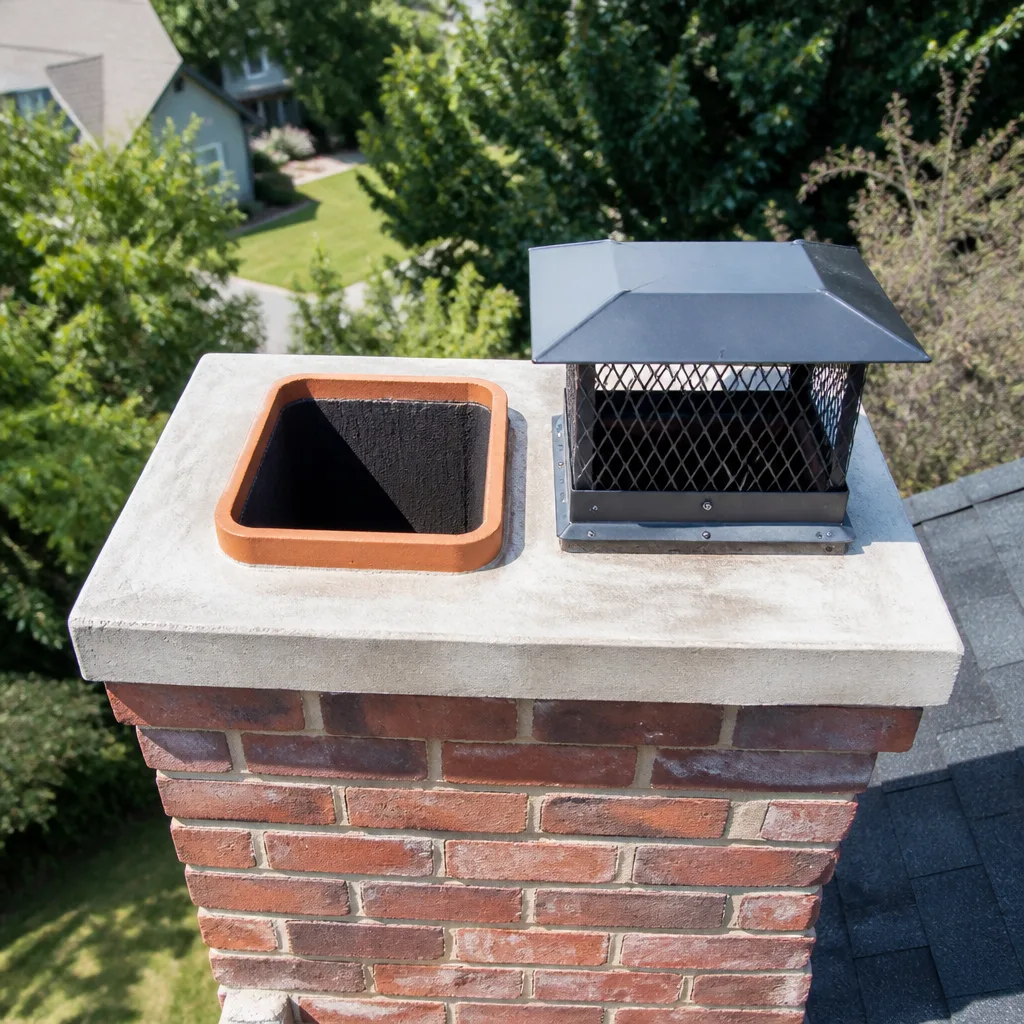
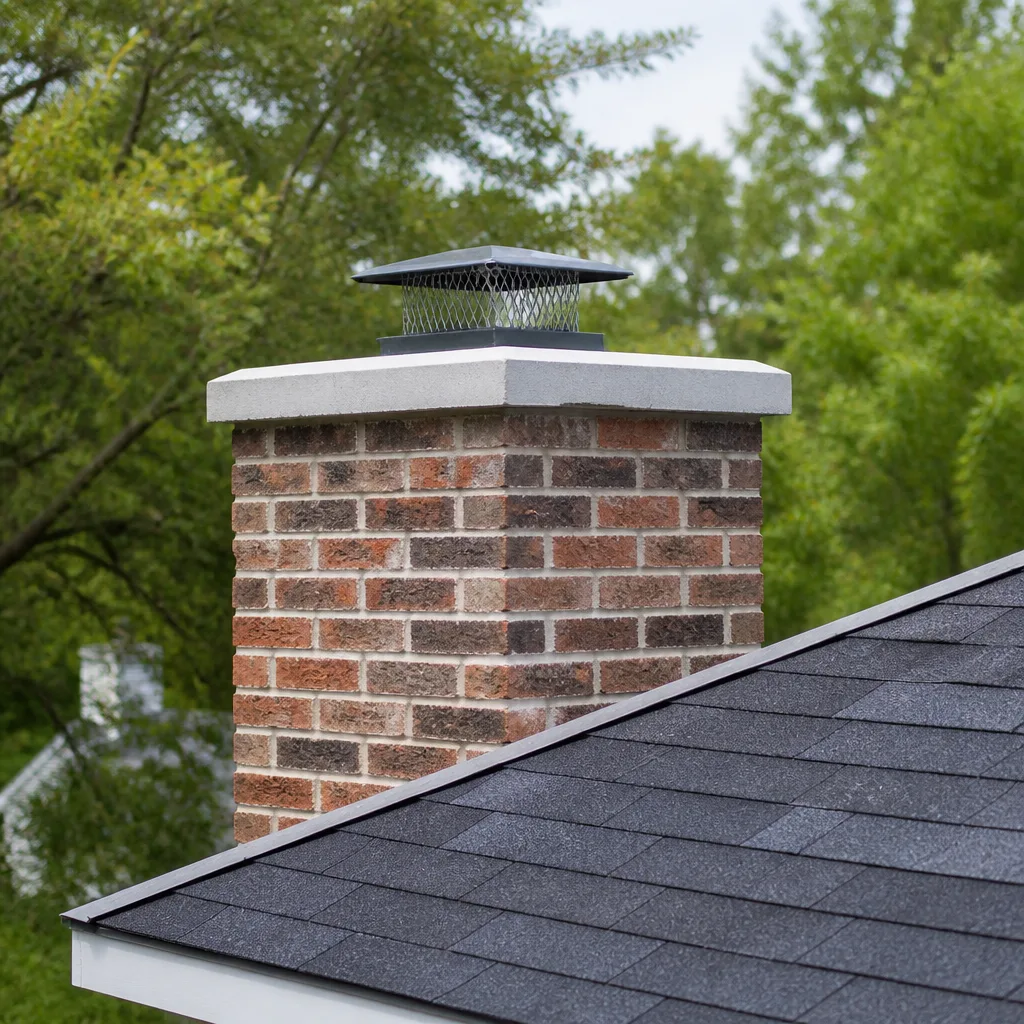
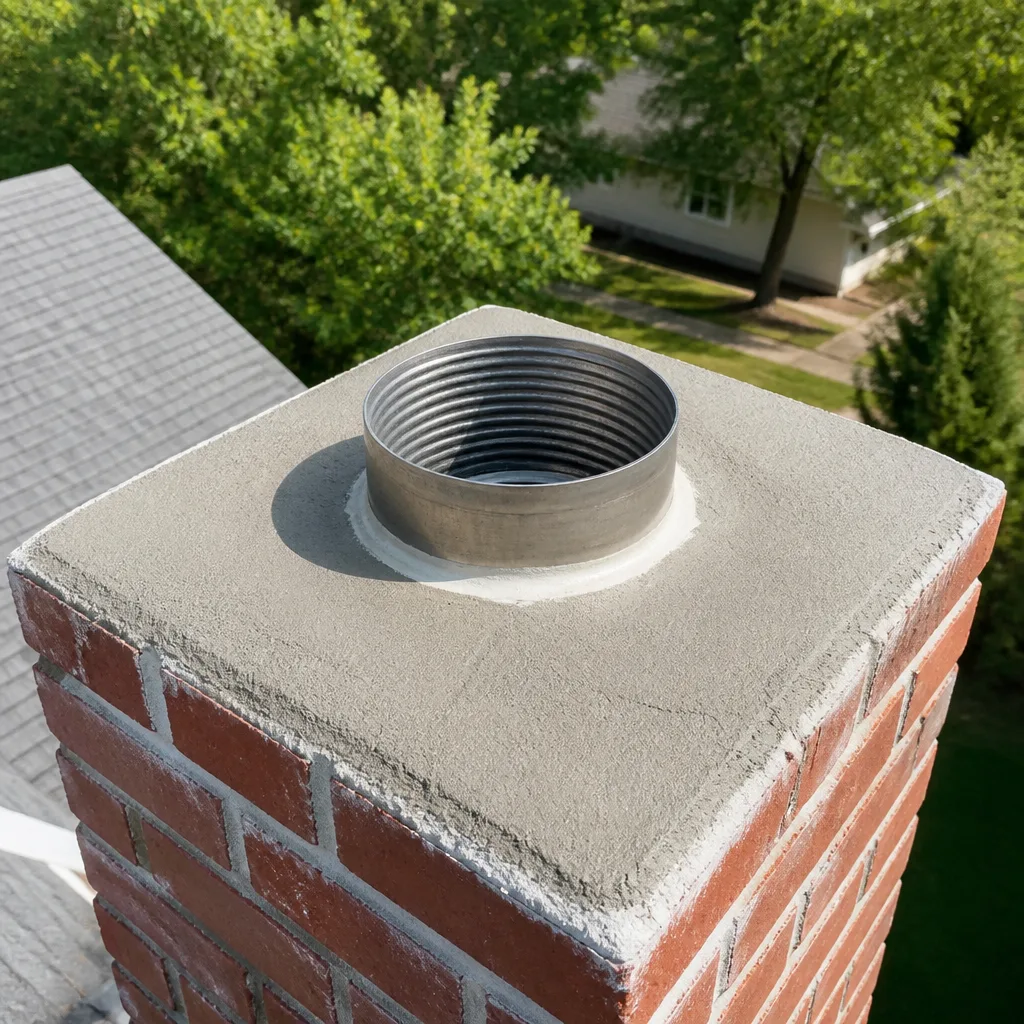
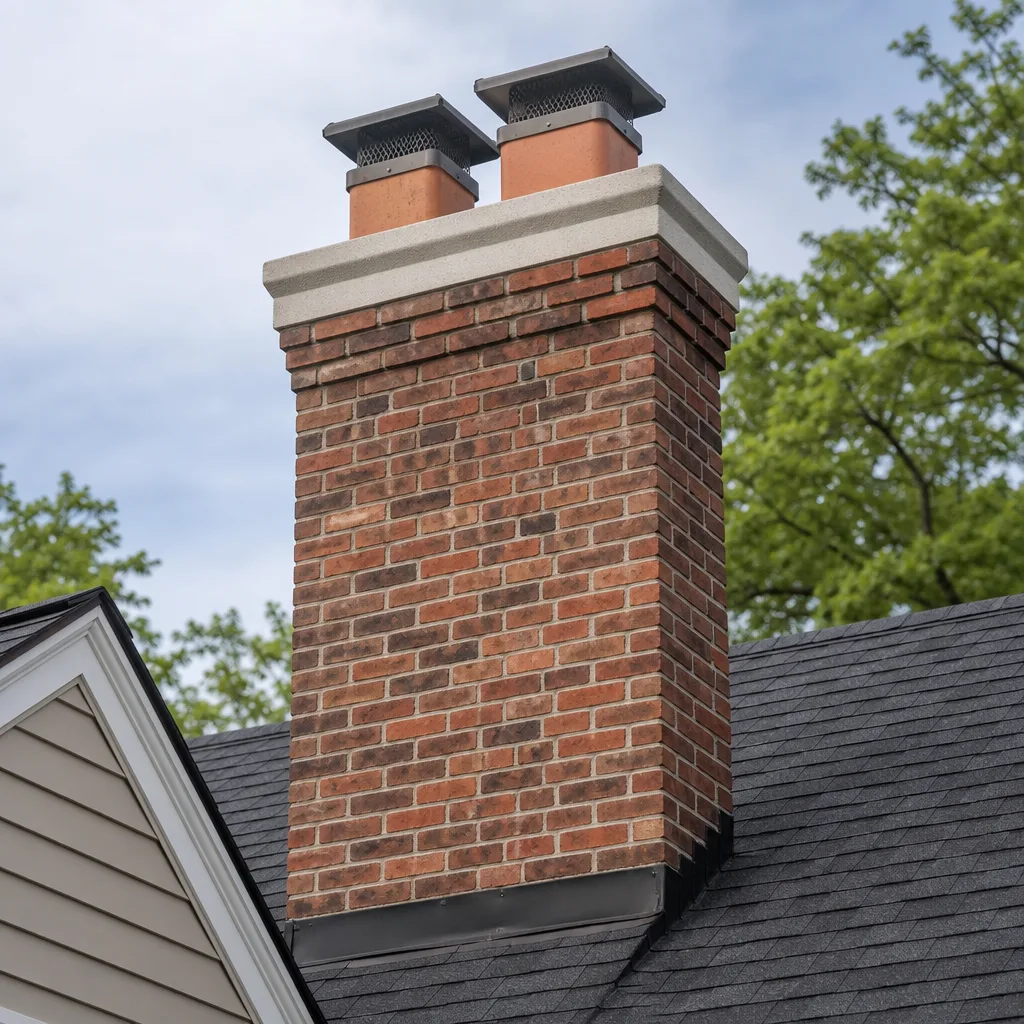
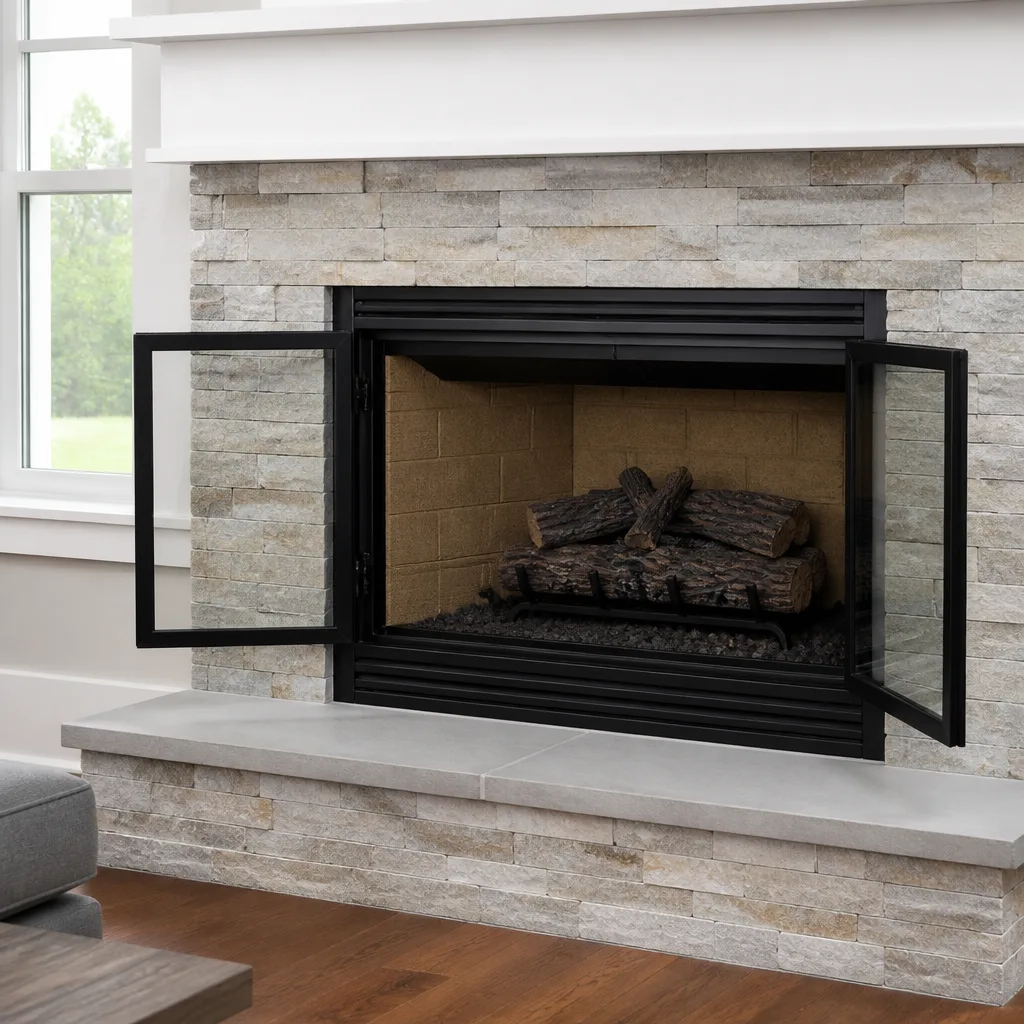
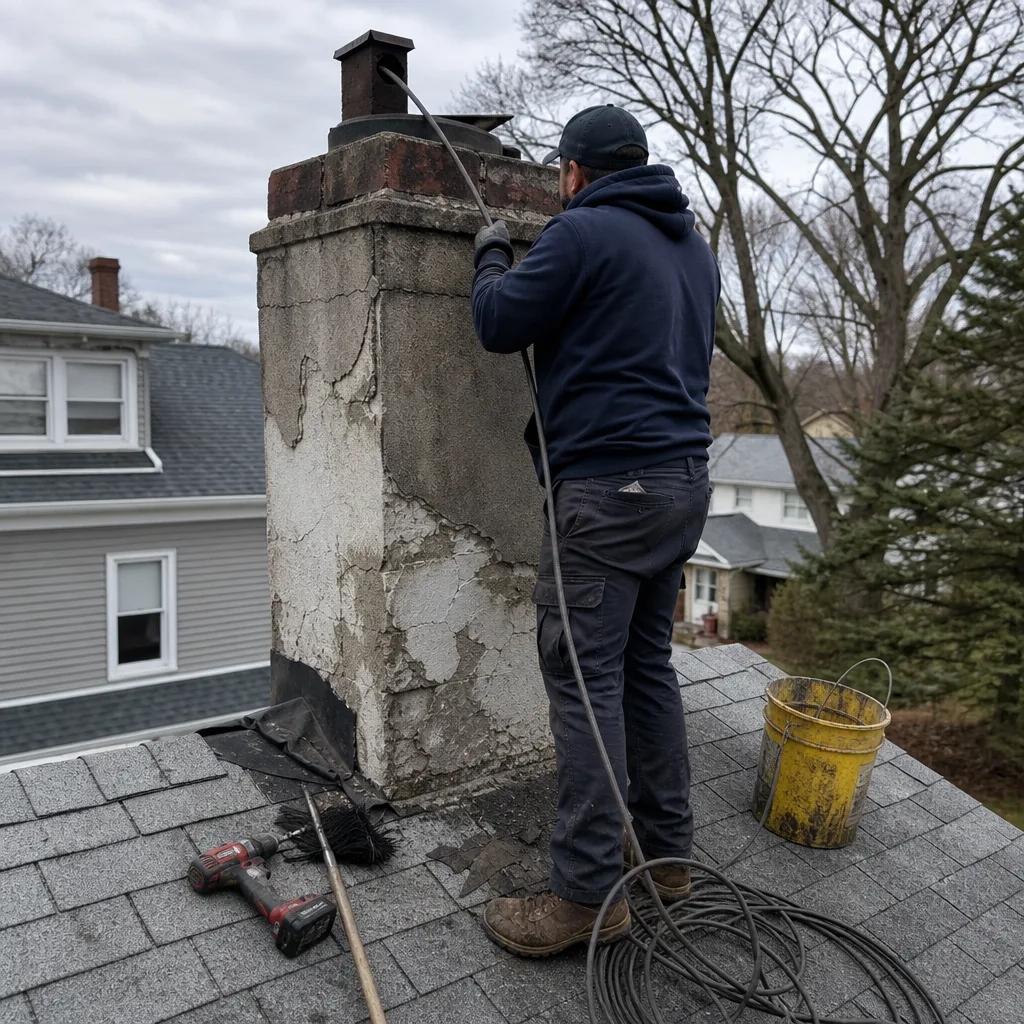 Before
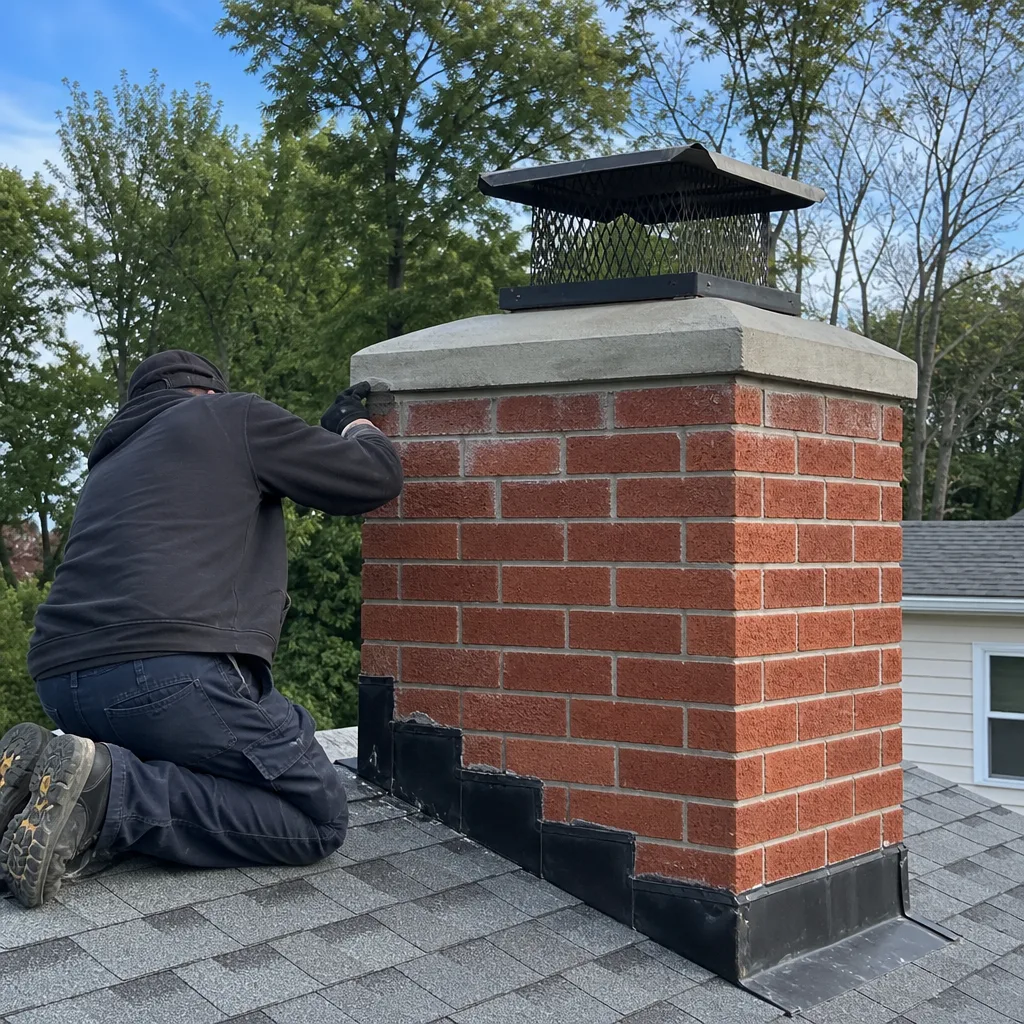 After
After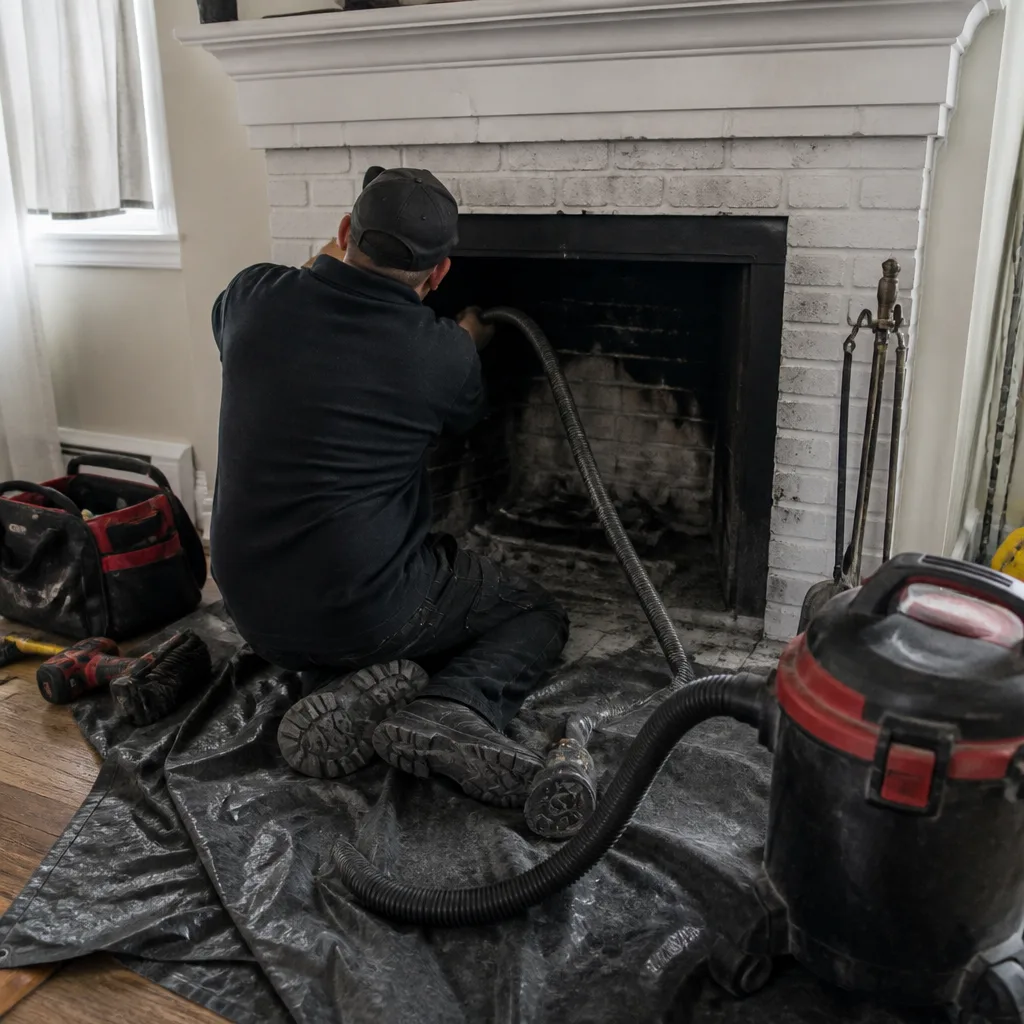 Before
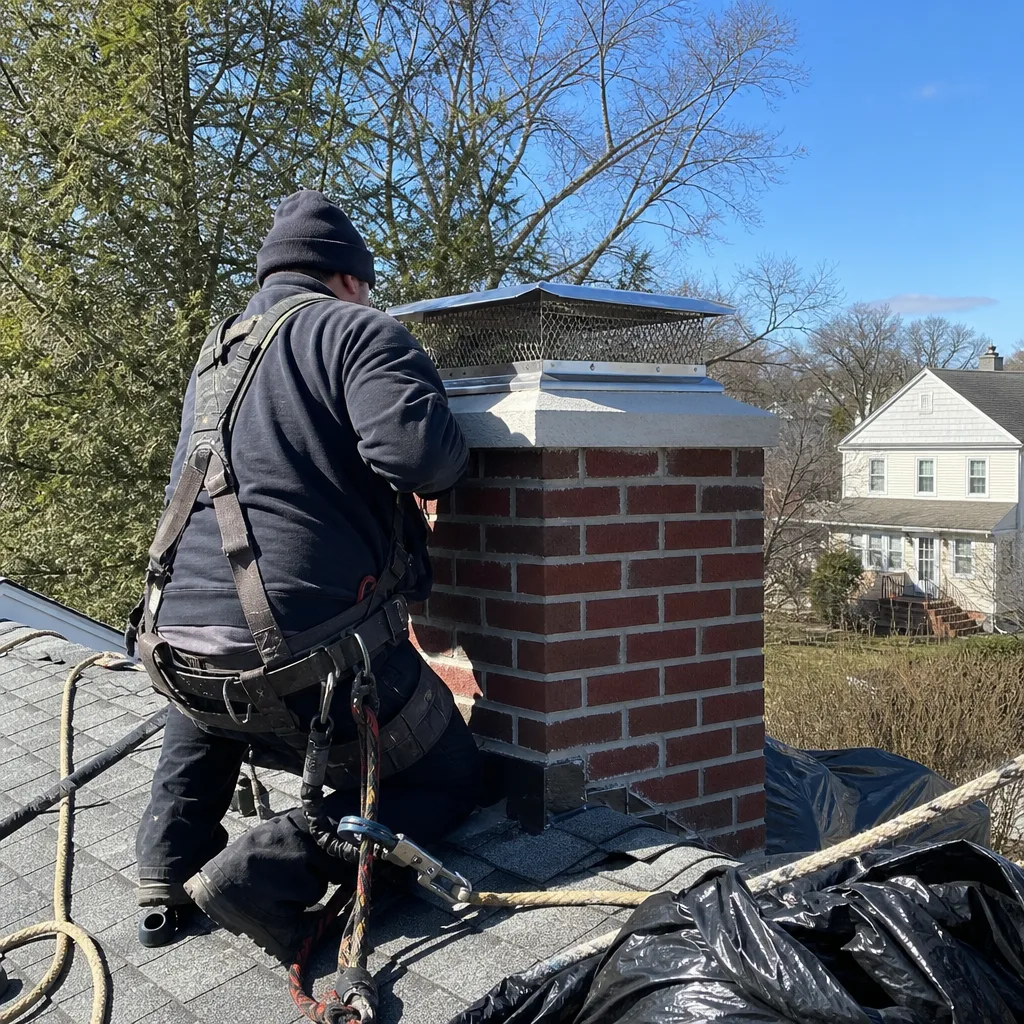 After
After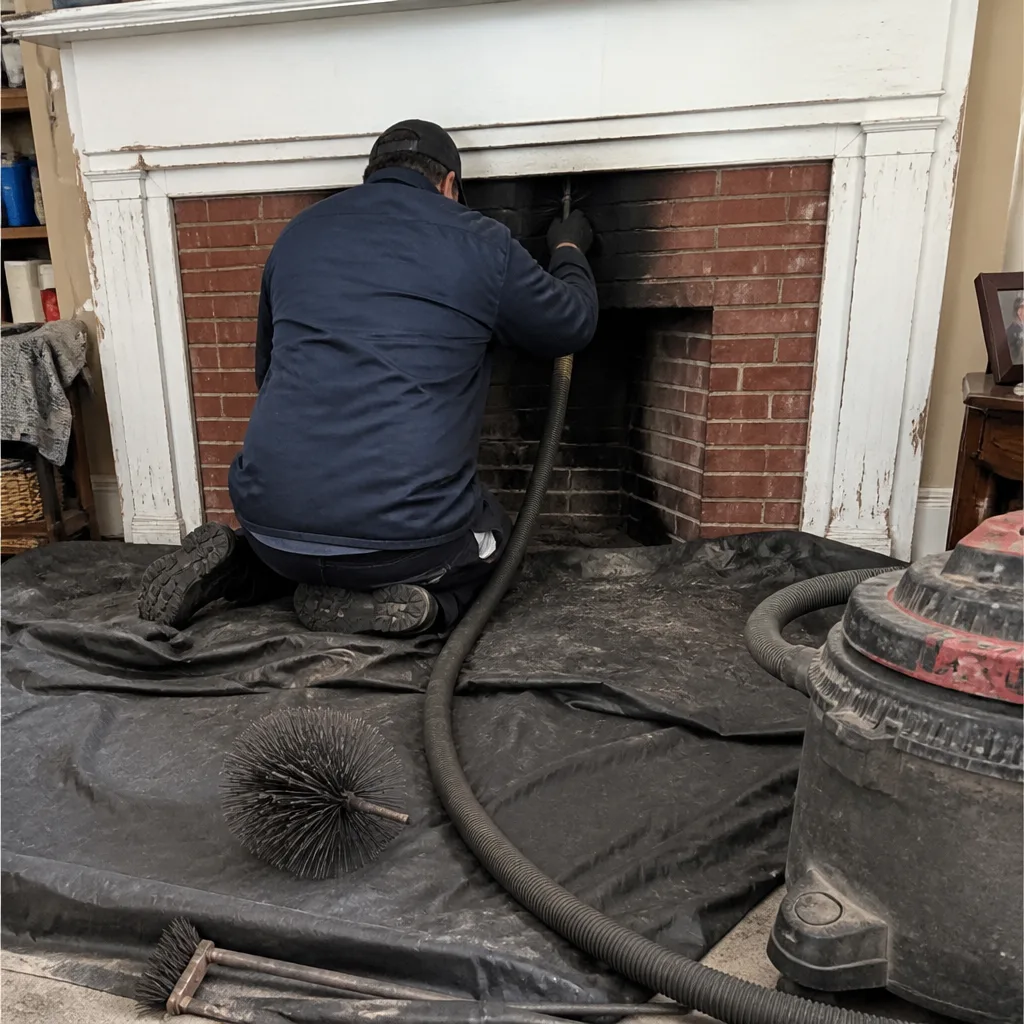 Before
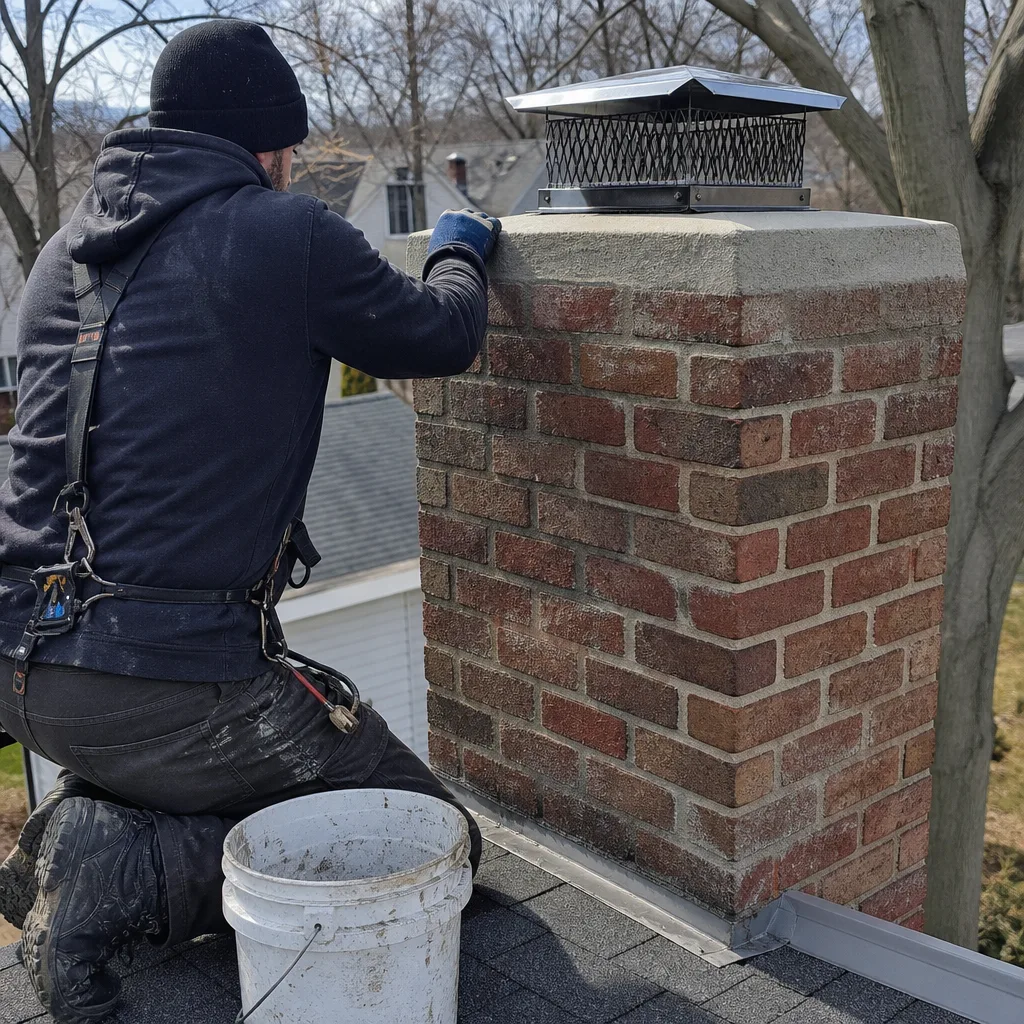 After
AfterSeasonal Chimney Cleaning Care for Mount Vernon: Year-Round Homeowner’s Guide
September is when most Mount Vernon homeowners remember their chimney exists. By then, the good sweeps are already booked four to six weeks out. The homeowners who called in July are the ones sitting down to a clean, inspected fireplace before the first hard freeze hits Westchester County. In our 42 years serving this region, we’ve learned that Mount Vernon’s specific rhythm - humid summers that punish mortar, hard freezes that test crowns, and a brief, intense shoulder season for burning - demands a calendar that looks nothing like generic advice written for Minnesota or Georgia. This guide maps the actual local pattern, season by season, so your chimney is ready when you need it and protected when you don’t. For ongoing care, explore our more guides & resources.
Quick Answer
Mount Vernon homeowners should schedule their chimney inspection and cleaning in late summer (July-August) to beat the fall rush, perform exterior checks in spring to catch freeze-thaw damage, and monitor for summer humidity deterioration during August. A year-round approach - guided by our Chimney Cleaning & Sweep Maintenance Checklist for Mount Vernon Homeowners - prevents the costly emergency repairs that come from waiting until the first cold night to discover a blocked flue or cracked crown.
Table of Contents
- Why Mount Vernon Needs Its Own Chimney Calendar
- Spring (March to May): The Season Most Homeowners Skip
- Summer (June to August): When Humidity Does the Hidden Damage
- Fall (September to November): The Rush, and How to Avoid It
- Winter (December to February): Safe Burning, Smart Monitoring
- The Shoulder-Season Advantage: Why Late Summer Inspections Save Money
- Common Mistakes to Avoid
- When to Call a Professional
- Frequently Asked Questions
- The Bottom Line
Why Mount Vernon Needs Its Own Chimney Calendar
Generic chimney advice tells you to “sweep before winter.” That’s not wrong, but it’s not nearly specific enough for a Hudson Valley climate zone.
Mount Vernon sits in Westchester County’s southern tier, where Long Island Sound influence meets inland continental patterns. Our summers run humid - July and August average 65-70% relative humidity, with spikes well above that during coastal storms. Our winters bring hard freezes, typically 15-20 nights below 20°F, and the freeze-thaw cycle can repeat dozens of times as temperatures swing across the 32°F line. The shoulder season, when homeowners actually want to burn, is compressed: reliable fireplace weather often doesn’t arrive until mid-October and can fade by late March.
This compression creates a scheduling bottleneck. Every chimney sweep from Yonkers to New Rochelle knows that October phone calls mean November appointments, and November appointments mean some homeowners are lighting their first fire before anyone has looked up their flue.
The four-season calendar below is built from what we’ve observed in Mount Vernon homes specifically - from the brick colonials near Fleetwood to the mid-century splits in Chester Heights, from the apartment conversions downtown to the single-families up toward Pelham. Different architectures, same regional stresses.
Key factors that shape our local calendar:
- Humidity load: Summer moisture absorption in brick and mortar, followed by autumn contraction as temperatures drop
- Freeze-thaw frequency: More damaging than sustained cold; Westchester’s variable winters are worse than steady northern climates
- Burning season compression: Short, intense period of use creates concentrated creosote buildup
- Tree canopy: Mount Vernon’s mature oak and maple cover means more leaf debris and organic matter entering flues
- Housing stock age: Many chimneys in the city date to the 1920s-1950s, with original liners or early replacements now at end of life
Spring (March to May): The Season Most Homeowners Skip
The fireplace goes cold in March. The chimney goes forgotten by April. This is the single most expensive mistake we see in Mount Vernon.
Spring is when you address what winter did, and when you prevent what summer will do. The creosote that accumulated during your burning season is still there, acidic and hygroscopic - it attracts moisture. Left through a humid Mount Vernon summer, that creosote accelerates deterioration of the flue liner and smoke chamber. More critically, spring is when freeze-thaw damage from winter reveals itself, and when you have time to fix it before the next cycle begins.
What to do in spring:
- Schedule the post-season inspection. Not a full sweep if you swept in fall, but a Level-1 visual check for new damage. Look for spalling brick, deteriorated mortar joints, and crown cracks that opened during winter.
- Clean the firebox and remove all ash. Ash holds moisture and acids. In a humid Mount Vernon basement or against an exterior wall, that moisture migrates into masonry.
- Inspect the chimney cap and screen. Winter winds and ice load damage caps. Spring storms drive rain directly into uncapped flues. A damaged cap is an invitation for summer water damage.
- Check exterior flashing where the chimney meets the roof. This is the most common leak point we find in spring inspections. The freeze-thaw cycle separates flashing from masonry, and spring rains find the gap immediately.
- Address any needed repairs while scheduling is open. Masonry work needs curing time. Spring temperatures in the 50s-70s are ideal. Wait until fall and you’re competing with every other homeowner, plus racing weather.
In the Fleetwood and Wakefield neighborhoods, we regularly see homeowners who skipped spring maintenance calling us in October with water-stained ceilings and deteriorated fireboxes - damage that started with a small crown crack the previous February and grew through a humid summer. The repair that would have cost $800 in April becomes $2,400 in October because the water reached the framing.
Spring is also when we recommend our Chimney Cleaning & Sweep in Mount Vernon for homes that burned heavily through winter and didn’t get a fall sweep. Creosote doesn’t improve with age.
Summer (June to August): When Humidity Does the Hidden Damage
Mount Vernon’s summer humidity is not just uncomfortable. It’s actively destructive to chimney systems, and most homeowners never know it’s happening until the damage is expensive.
Brick and mortar are porous. In July and August, when relative humidity pushes past 70% for weeks at a stretch, that moisture penetrates deep into chimney masonry. The problem isn’t the moisture alone - it’s what happens when temperatures drop in September. The moisture expands as it freezes (a 9% volume increase), creating micro-fractures in mortar joints and flue tiles. Repeat this cycle across a typical Hudson Valley autumn with its temperature swings, and by November you have spalling faces on bricks, crumbling mortar, and cracked flue liners that no longer protect your home from combustion gases.
Summer-specific inspection points:
- Efflorescence on exterior brick: White powdery deposits mean moisture is moving through the masonry, dissolving salts, and depositing them on the surface. It’s a warning that water is getting in and finding a path out.
- Damp or musty odors from the fireplace: In humid weather, a properly sealed chimney shouldn’t smell. Odors indicate a missing or damaged damper, or moisture accumulation in the smoke chamber.
- Rust on the damper or fire grate: Summer humidity rusts metal components that were dry all winter. Rust on a damper means it’s not sealing, which means conditioned air is escaping and humidity is entering year-round.
- Vegetation growth in mortar joints: Small plants or moss in exterior mortar indicate chronic moisture retention. The mortar is soft enough to root in, which means it’s soft enough to crumble.
August is the critical month. The accumulated humidity load of June and July is at maximum. An inspection in early August catches deterioration before the freeze-thaw cycle begins. This is when we document conditions with our Level-2 camera inspection - photos you can see, a plain-English verdict - so you have a baseline before autumn stress begins.
For homes with older terra-cotta flue liners, which describes much of Mount Vernon’s housing stock, summer humidity combined with acidic creosote residue creates a chemical weathering effect. The acids in creosote, activated by moisture, attack the clay matrix of the flue tiles. We’ve replaced liners in Chester Heights homes where the terra-cotta had degraded to a sandy consistency after decades of this cycle - always discovered when a camera inspection finally looked.
Materials matter for repairs done in summer. We use HeatShield for flue resurfacing and Gelco caps for corrosion resistance in humid coastal-influenced climates. These aren’t builder-grade substitutes; they’re specified for the conditions your chimney actually faces.
Fall (September to November): The Rush, and How to Avoid It
September 15th. The first morning you can see your breath in Mount Vernon. The phone starts ringing, and it doesn’t stop until Thanksgiving.
This is the season everyone thinks about their chimney. It’s also the season when good sweeps are booked solid, prices reflect demand pressure, and homeowners who discover serious problems - often avoidable ones detailed in our Chimney Cleaning Cost Breakdown: The Mount Vernon Homeowner’s Reference for 2026 - face a choice: burn unsafely, or wait weeks for repairs in cold weather.
The September reality:
By mid-September, most established chimney companies in Westchester are scheduling 3-4 weeks out. By October, it’s 4-6 weeks. Emergency calls - water pouring through a ceiling, a blocked flue sending smoke into the living room - get priority and carry premium pricing. The homeowner who discovers a cracked crown or failed liner on October 20th is looking at November repairs, minimum, and possibly burning season opening with an unsafe system.
What fall maintenance actually involves:
- Full chimney sweep and Level-1 inspection. This is the standard pre-burning service: brush the flue, inspect the liner, check the damper operation, examine the firebox for cracks or deterioration.
- Level-2 camera inspection if: you’ve had a chimney fire, you’re buying the home, you’ve changed appliances, or it’s been more than three years since the last camera inspection. In Mount Vernon’s older housing stock, we recommend Level-2 every 3-5 years regardless.
- Cap and crown verification. Before burning season, confirm the crown is sealed and the cap is secure. A loose cap in a November windstorm can block the flue or damage the crown.
- Smoke and CO detector test. Not technically chimney work, but we check them on every fall service call. Carbon monoxide from a blocked or leaking flue is odorless and invisible.
Neighborhood-specific notes for Mount Vernon:
In the denser areas near downtown and along Gramatan Avenue, multi-family conversions often have chimneys serving multiple flues that haven’t been properly separated. We find shared smoke chambers, missing flue liners, and dangerous drafting conditions that only a camera inspection reveals. These buildings also tend to have limited roof access, making summer repairs significantly easier than fall repairs in shortening daylight.
In the more residential areas toward Pelham Manor and on the heights above the Hutchinson River Parkway, mature tree cover means heavier leaf and debris load. We recommend checking the cap screen weekly during peak leaf drop - a screen clogged with wet leaves is functionally a blocked flue.
If you’re reading this in September and haven’t scheduled yet: call now. The Hearthstone Chimney Co. home page has our current availability. But mark your calendar for next July. The homeowners who never worry about fall scheduling are the ones who handled everything in August.
Winter (December to February): Safe Burning, Smart Monitoring
The chimney is clean, inspected, and in use. Winter maintenance shifts from prevention to monitoring - knowing what’s normal, what’s not, and when to stop burning immediately.
What normal looks like:
A well-functioning fireplace draws smoke up the flue with minimal spillage into the room when the fire is established. Glass doors (if installed) may show light soot accumulation over a season. The exterior chimney above the roofline stays cool - warm or hot exterior brick indicates a liner breach or improper construction. You should smell wood smoke outside, not inside.
Warning signs that demand immediate attention:
- Smoke entering the room: Often a blocked flue from creosote buildup, bird nest, or debris. Stop burning immediately. A blocked flue can force carbon monoxide into living spaces.
- Hot or discolored wall or mantel surfaces: Indicates heat transfer where it shouldn’t be. Possible liner breach, pyrolysis of nearby combustibles, or improper clearances. This is a fire hazard.
- Visible cracks in the firebox or hearth: Heat escapes through cracks, damaging surrounding structure and potentially igniting hidden combustibles.
- Dripping or running sounds in the flue during rain or thaw: Water inside the chimney accelerates deterioration and can extinguish hot coals explosively.
- White residue on interior flue walls (third-stage creosote): This is glazed creosote, highly combustible and difficult to remove. It requires professional treatment - standard brushing won’t touch it.
Safe burning practices for Mount Vernon winters:
Hardwood only, seasoned minimum 12 months. Westchester’s oak and maple are excellent when properly dried. Never burn Christmas tree branches - the high resin content creates dangerous creosote accumulation in a single session. Never use the fireplace as an incinerator for wrapping paper, cardboard, or construction scraps.
Keep the damper fully open until the fire is completely out and ashes are cool. Partially closed dampers create smoldering fires that produce maximum creosote. The “airtight” fire management some homeowners attempt is exactly what creates chimney fire conditions.
After heavy snow, check that the cap and top of the flue are clear. We’ve responded to calls in the Bronxville-Mount Vernon border area where snow load completely blocked the flue termination, causing smoke backup on the next lighting. This is particularly common with wind-directional caps in heavy, wet snow.
Winter is not the time for major repairs. Masonry work needs temperatures above 40°F for proper curing, and most mortar and refractory products specify 50°F minimum. Emergency patching is possible; proper rebuilding waits for spring. This is why the August inspection matters - it gives you time to schedule repairs during appropriate weather.
The Shoulder-Season Advantage: Why Late Summer Inspections Save Money
There’s a secret season for chimney care in Mount Vernon. It runs from mid-July through mid-September. The industry calls it the shoulder season. Smart homeowners call it their window.
The economics are straightforward:
A chimney inspection and sweep costs the same in August as in October. The difference is everything else. In August, we can schedule you within days. If we find a cracked crown, failing liner, or damaged cap, we can complete repairs in the same week with materials in stock. You review the photos, get a plain-English verdict, and make decisions without a cold front bearing down.
In October, that same inspection might be scheduled three weeks out. The repair queue is four weeks behind that. By the time work is complete, you’ve missed half your burning season, or you’ve burned unsafely while waiting, or you’ve paid emergency pricing to jump the line.
The options advantage:
When you inspect in August and find that your terra-cotta liner is cracked, you have time to consider: a full stainless steel replacement with Olympia Chimney liner products, a HeatShield resurfacing if the damage is limited, or a staged approach if budget is a concern. You can get a second opinion without pressure. (We offer a Chimney Repair in Mount Vernon free second opinion on any written estimate - bring us another company’s quote and we’ll review it honestly.)
When you discover the same problem on October 20th, your options narrow to: whatever can be installed fastest, at whatever price the schedule demands. Urgency compresses choice. That’s expensive in any trade, and chimney work is no exception.
Weather windows for specific repairs:
| Repair Type | Ideal Temperature Range | Best Scheduling Window |
|---|---|---|
| Crown repair/rebuild | 50-75°F | April-May or August-September |
| Flue liner replacement | 40-80°F | May-June or August-September |
| Tuckpointing/mortar repair | 50-70°F | April-June or September |
| Chimney cap installation | Any above freezing | Year-round, but August is optimal |
| Waterproofing treatment | 50-80°F, dry 24 hours | May or August-September |
The Mount Vernon homeowner who treats August as chimney month - the way others treat September as back-to-school month - never joins the October panic. Their fireplace is ready when the first real cold arrives. Their repair history is documented, their baseline established, their budget planned.
We’ve seen this pattern repeat for 42 years. The ones who call in July are the ones who sit down to a fire on the first cold night. The ones who wait for the cold to remind them are the ones who discover, on that same night, that their chimney has other plans.
Common Mistakes to Avoid
- Waiting for the first cold night to schedule. By then, you’re in the October queue with everyone else. In Mount Vernon, that typically means a 4-6 week wait for established companies. The cold front doesn’t wait for your appointment.
- Skipping spring inspection because “it was fine in fall.” Winter does damage. Freeze-thaw cycles open cracks that summer humidity then exploits. The chimney that was fine in October can be leaking by May.
- Assuming no smell means no problem. Carbon monoxide is odorless. A blocked flue or breached liner can kill without ever producing smoke in the room. Annual inspection is non-negotiable, regardless of apparent performance.
- Using the fireplace with a damaged damper. A damper that won’t fully open restricts draft and forces smoke and CO into the home. A damper that won’t fully close wastes hundreds in heating costs through a Mount Vernon winter. Both conditions demand repair.
- Ignoring exterior staining or vegetation. Dark staining below the chimney crown means water is running down the masonry, saturating it repeatedly. Vegetation in mortar joints means the mortar is failed. Both are progressive; neither improves without intervention.
- Accepting a sweep without inspection documentation. A chimney sweep who doesn’t show you what they found - photos, specific locations, clear explanations - is asking for your trust without earning it. We document every inspection with photos and a written verdict. You should accept nothing less.
- Hiring based on lowest price alone. In Westchester’s unregulated chimney trade, anyone can buy a brush and call themselves a sweep. Verify insurance, check for CSIA certification, and ask what materials they use. We use professional-grade products from Famco and other industry-trusted brands - specified for your application, not whatever was cheapest this week.
When to Call a Professional
Some conditions demand immediate professional evaluation. Stop burning and call if you experience smoke spillage into the room, hot or discolored surrounding walls, or carbon monoxide detector activation. Schedule prompt inspection for visible exterior damage, water entry, or any change in draft performance.
Annual inspection is the baseline for any actively used fireplace in Mount Vernon. For heavily used systems, or homes with older terra-cotta liners, we recommend Level-2 camera inspection every 3-5 years to catch deterioration invisible from below.
Hearthstone Chimney Co. offers free estimates in Mount Vernon. A trained technician will inspect your system, show you what we find, and provide upfront pricing before any work begins. Call (914) 246-5794 to schedule. Phones are answered by a live person 24 hours a day, 7 days a week - not a voicemail, not a callback queue. We’ve answered this way for over 42 years, and we don’t plan to stop.
Frequently Asked Questions
A standard chimney sweep and Level-1 inspection in Mount Vernon typically ranges from $200 to $350, depending on accessibility, flue condition, and whether the system is a straightforward fireplace or a more complex stove or insert setup, all subject to local Chimney Cleaning Permits, Codes & Inspections in NY: What You Need to Know. Level-2 camera inspections run higher, usually $350 to $500, because they involve rooftop access, specialized equipment, and documented photo reporting. Our $89 Seasonal Tune-Up covers basic inspection and maintenance for qualifying systems - call (914) 246-5794 to check if your chimney qualifies.
The National Fire Protection Association recommends annual inspection for all chimney systems, and sweeping as needed based on creosote accumulation. For a typical Mount Vernon home burning hardwood 2-3 times weekly through winter, that means annual sweeping. Heavier use, softer woods, or poorly seasoned fuel increase frequency. We assess creosote depth during every inspection and tell you plainly whether sweeping is needed or can wait.
You shouldn’t accept any liner recommendation without photo evidence you can see for yourself. A cracked or deteriorated flue liner is a genuine safety issue - it allows heat and combustion gases to reach combustible framing, and it’s the leading cause of chimney-adjacent house fires. But “your liner is bad” without documentation is a sales pitch, not a diagnosis. We provide camera photos, show you the specific damage, and explain your options: repair, reline, or monitor. Some conditions can safely wait with more frequent inspection. Others demand immediate action. The difference should be obvious from the evidence, not asserted by authority.
In Mount Vernon’s climate, skipped maintenance means accumulated creosote (increasing fire risk), undetected freeze-thaw damage (allowing water entry), and progressive liner deterioration (creating carbon monoxide hazards). The cost of deferred maintenance compounds: a $200 sweep becomes a $1,500 crown rebuild becomes a $4,000 liner replacement becomes structural repair with water damage to interior finishes. We’ve opened walls in Mount Vernon homes where years of neglected chimney leaks destroyed framing and required mold remediation. The annual inspection is cheap insurance.
We don’t recommend it. Chimney sweeping requires more than a brush on a rod: proper assessment of creosote stage, identification of liner damage, verification of clearances and combustible condition, and documentation of system integrity. The physical risks - working on a roof, handling creosote (a known carcinogen), proper disposal - are significant. More critically, a homeowner cannot perform a camera inspection to evaluate flue condition below the visible surface. The money saved on a DIY brush-out is lost many times over if a hidden hazard goes undetected. For your Fireplace Services in Mount Vernon, professional evaluation is the only evaluation that counts.
Summer chimney odors in Mount Vernon are almost always moisture-activated creosote deposits, combined with downward air pressure on humid days pulling those odors into the living space. The solution is two-part: remove the creosote source through proper sweeping, and stop the air movement by ensuring the damper seals completely and the chimney has proper ventilation. A cap with adequate screen area helps prevent the pressure differentials that drive odors. Persistent odors despite these measures may indicate water saturation in the smoke chamber, requiring professional evaluation.
Yes, and it’s not just convenience. August inspections in Mount Vernon give you full optionality: time for second opinions, optimal weather for any needed repairs, material availability, and no pressure to burn before the system is verified safe. October inspections compress everything. We’ve had homeowners choose to skip burning entirely for a season rather than risk an uninspected system, because repairs couldn’t be completed before winter. The inspection itself costs the same. The context around it changes everything. Call (914) 246-5794 for an exact quote - estimates are free, and August availability is still open.
The Bottom Line
Mount Vernon’s chimney calendar runs on local rhythms: humid summers that degrade mortar, hard freezes that test crowns, and a compressed burning season that creates scheduling chaos for the unprepared. The homeowners who never worry about their chimneys are the ones who inspected in August, repaired in spring, and monitored through winter. They’ve seen the photos, they know their system’s condition, and they made decisions on their own timeline.
The alternative is discovering a problem on the first cold night, joining the October queue, and paying in urgency what could have been handled in leisure. In 42 years serving Westchester County, we’ve seen both paths repeatedly. The prepared homeowners sit by their fires. The others sit on hold.
A square deal, no surprises on the bill, and work that’s done right - we stand behind it. That’s the Keystone Standard, and it’s been our way since 1984.
Call (914) 246-5794 for a free estimate. A live person will answer, 24 hours a day, 7 days a week. We’ll schedule your inspection, show you what we find, and give you upfront pricing before any work begins. Most jobs are completed in a single visit. And everything we do is covered by our 90-Day Done Right Promise - in writing, no arguing. If it’s not right, we come back and make it right. That’s how we’ve operated for over 42 years, and that’s how we’ll keep operating for the next 42.
Written by Russell Haines, Owner at Hearthstone Chimney Co., serving Mount Vernon since 2014.